


Letter calls for unified federal approach to counter-UAS operations across U.S. host cities
U.S. lawmakers are calling on the federal government to strengthen its approach to drone security ahead of the 2026 FIFA World Cup. In a letter sent April 28, U.S. Representatives Michael McCaul and Eli Crane urged federal agencies to empower the National Guard to address potential drone threats during the tournament.
The letter was addressed to Pete Hegseth, Acting Attorney General Todd Blanche, and Secretary of Homeland Security Markwayne Mullin. It calls for immediate interagency coordination to secure airspace over the eleven U.S. host cities.
A Call for Unified Federal Coordination
The lawmakers describe the World Cup as a “high-threat environment” that will require resources beyond current state and local counter-drone capabilities. The tournament is set to begin June 11 and is expected to draw large international crowds.
The letter highlights concerns about fragmented responsibilities between federal agencies, local authorities, and event organizers. According to the lawmakers, these jurisdictional divides could create gaps in security coverage.
“To address the jurisdictional lines between FIFA and the host cities,” the letter states, “we must work towards a stronger and more unified federal operational framework.”
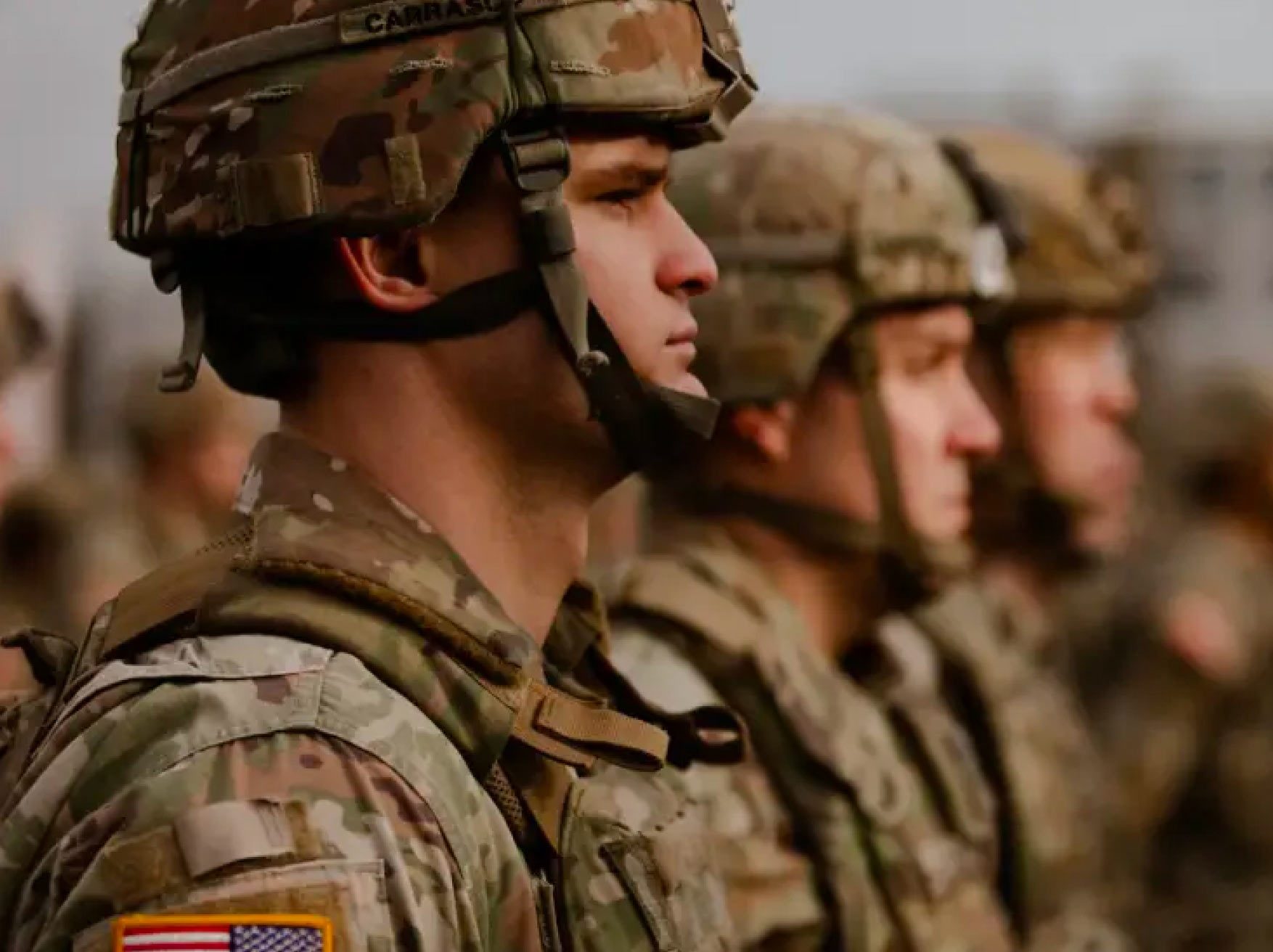
The representatives propose deputizing National Guard personnel to operate under existing federal counter-UAS authorities. They point to the Guard’s ability to deploy quickly, scale nationwide, and support domestic emergency operations.
Expanding Counter-UAS Capabilities
The request builds on recent federal efforts to enhance counter-drone preparedness. The lawmakers reference the Safer Skies Act as a step forward but argue that additional measures are needed for an event of this scale.
Earlier this year, the Federal Emergency Management Agency awarded $250 million in grants to support counter-drone capabilities tied to the tournament, and the FBI established a counter UAS training program for law enforcement.
Despite these efforts, gaps remain in authority and coordination. Current law limits which agencies can actively mitigate drone threats. State and local law enforcement often rely on federal partners for operational authority, which can slow response times. Delays in deploying counter-UAS systems have raised concerns about readiness for World Cup security operations.
The Role of the National Guard
The lawmakers argue that the National Guard could help bridge these gaps. By extending specific federal authorities to Guard units, officials could expand the pool of personnel able to detect, track, and respond to unauthorized drones.
The letter emphasizes that the Guard’s structure allows it to operate at both state and federal levels. This dual role could support coordination between local agencies and federal authorities during a complex, multi-city event.
“With its rapid deploy ability, nationwide scalability, and extensive experience responding to domestic emergencies,” the letter states, “the National Guard is uniquely positioned to assist.”
A High-Visibility Security Challenge
The 2026 FIFA World Cup will be one of the largest sporting events ever hosted in the United States. Matches will take place across multiple cities, increasing the complexity of security planning.
The lawmakers note that the global visibility of the event raises the stakes. “The eyes of the world will be on the United States,” the letter states, calling for a security approach with “no room for error.”
Drone-related risks remain a key concern. While many drone incidents are accidental or low-risk, officials have long warned that unmanned aircraft could be used to disrupt large public gatherings.
Looking Ahead
The letter signals continued pressure from Congress to clarify and expand counter-UAS authorities ahead of the tournament. It also reflects broader industry and government discussions about how to scale drone defense capabilities for major events.
As planning continues, the balance between federal authority, local control, and operational readiness will remain central to the conversation.
Read more:

Miriam McNabb is the Editor-in-Chief of DRONELIFE and CEO of JobForDrones, a professional drone services marketplace, and a fascinated observer of the emerging drone industry and the regulatory environment for drones. Miriam has penned over 3,000 articles focused on the commercial drone space and is an international speaker and recognized figure in the industry. Miriam has a degree from the University of Chicago and over 20 years of experience in high tech sales and marketing for new technologies.
For drone industry consulting or writing, Email Miriam.
TWITTER:@spaldingbarker
Subscribe to DroneLife here.

