


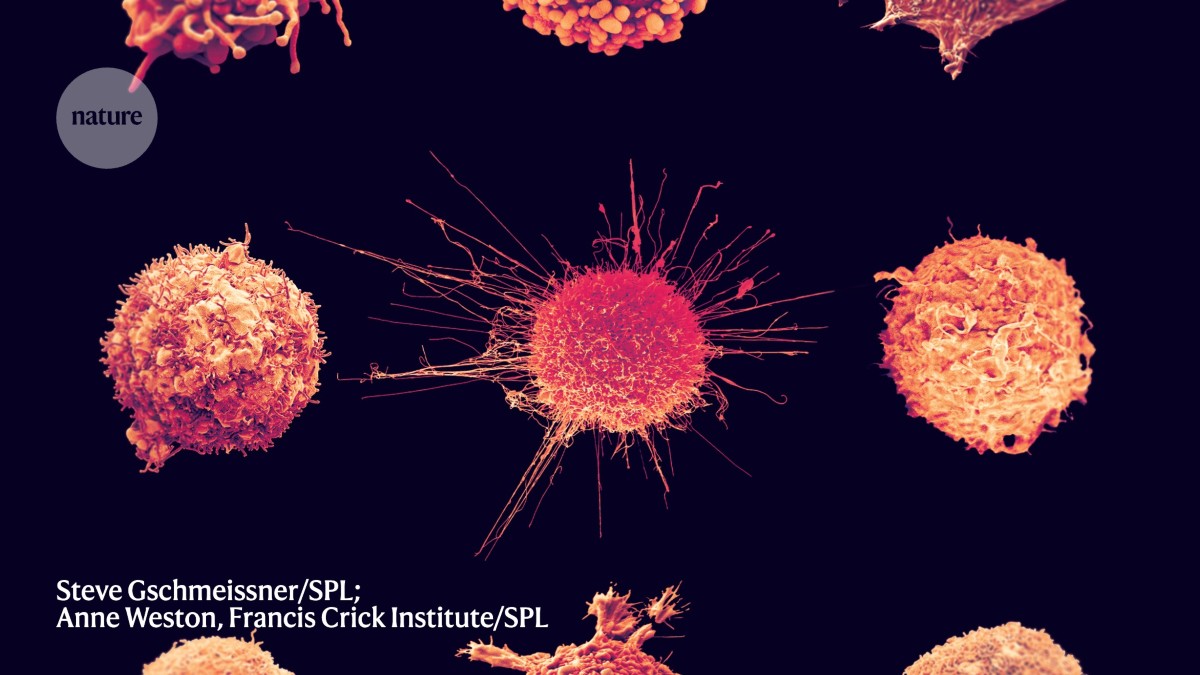

The complexity and variety of cancer types highlights why one‑size‑fits‑all approaches fall short in national cancer planning.Credit: Steve Gschmeissner/Science Photo Library; Anne Weston, Francis Crick Institute/Science Photo Library
Global cancer incidence is increasing. In some countries, such as South Korea, rising cancer rates have been linked to an ageing population. In others, such as in parts of Africa, changes in environmental and lifestyle factors have been connected to a growing burden. Advances in cancer treatment alone won’t be enough to address this problem. Strategies for early detection — such as strong integration between health-care providers and public education on preventable risk factors — are key.

Nature Index 2026 Cancer
An increase in cancer among people under 50 is another concern. Some countries have responded by broadening their national and regional screening programmes. But there is a balance that must be struck, say researchers, because screening more people comes with the risk of more unwanted outcomes, such as accidental injuries and false-positive results. Changing the guidelines also doesn’t guarantee uptake; participation is still an issue for many countries.

