


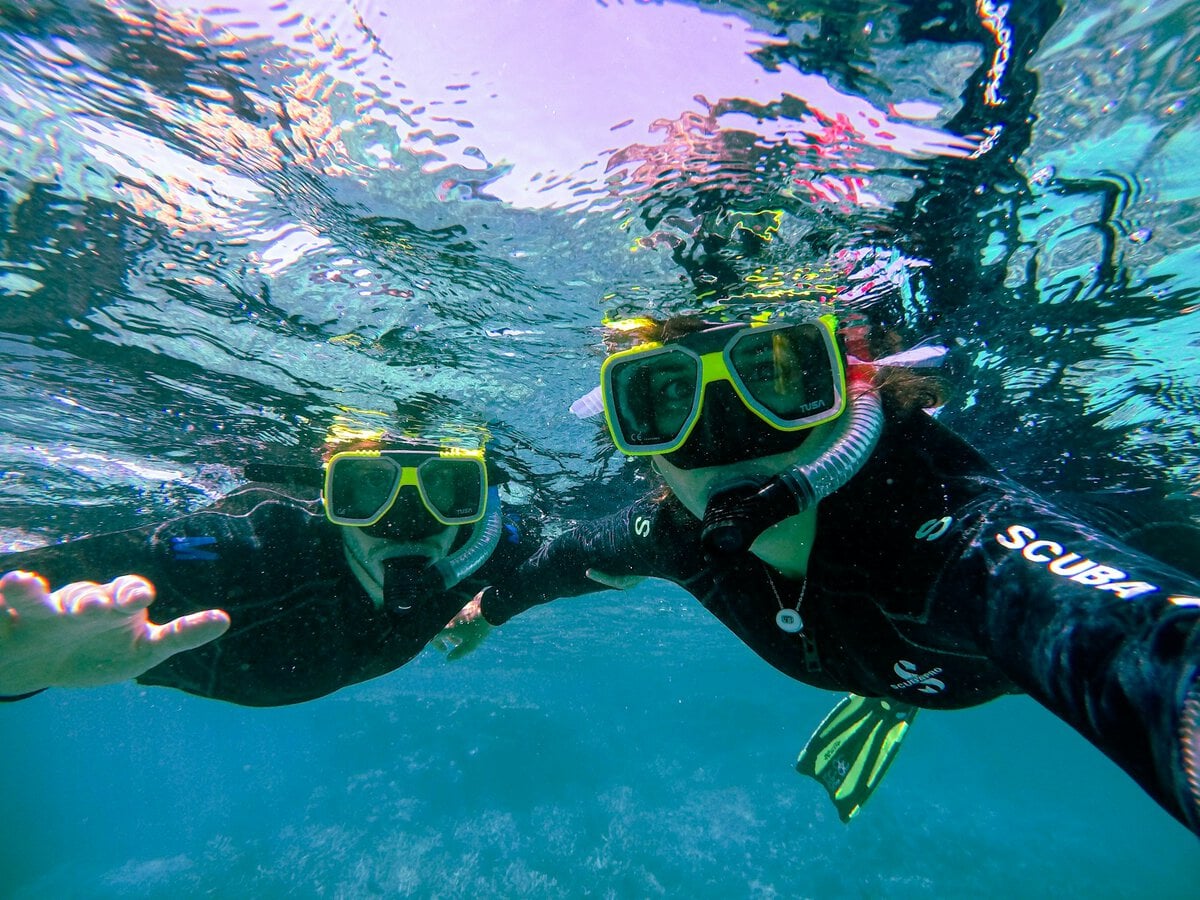
Fifteen minutes from downtown Kota Kinabalu, five islands rise from protected waters where sea turtles graze in coral gardens and families find that marine life doesn’t require a long journey into Borneo to be worth the trip. As a boat operator who has guided thousands of guests through Tunku Abdul Rahman Marine Park, I’ve watched the same moment repeat itself: someone looks back at the city skyline from the water and realizes the reef was here the whole time.
That contrast — urban convenience meeting genuinely wild marine life — is what turns a day trip into the story people tell when they get home.
Snorkeling Sapi and Manukan Islands with Lunch
A seven-hour guided snorkeling day across two islands in Tunku Abdul Rahman Marine Park, with lunch included and all fees covered.
➡ Snorkeling at Sapi and Manukan Islands with coral reef and marine life access
➡ Lunch is served on the island
➡ All landing fees, entry fees, and fuel surcharges are included
➡ English and Chinese-speaking guides available
➡ Suitable for families, couples, and groups; easy difficulty
From $55 per person
Travel Dudes partners with local operators to help you book experiences mentioned in this article.
What Island-Hopping in a Marine Park Actually Means
We meet at The Shore Jalan Lapan Belas, where boats line the busy jetty and the water already glitters in morning light. Within minutes of boarding, you’re cutting across open sea toward Sapi Island, the first stop in a marine park that protects over 4,900 hectares of coral reefs, seagrass beds, and tropical islands.
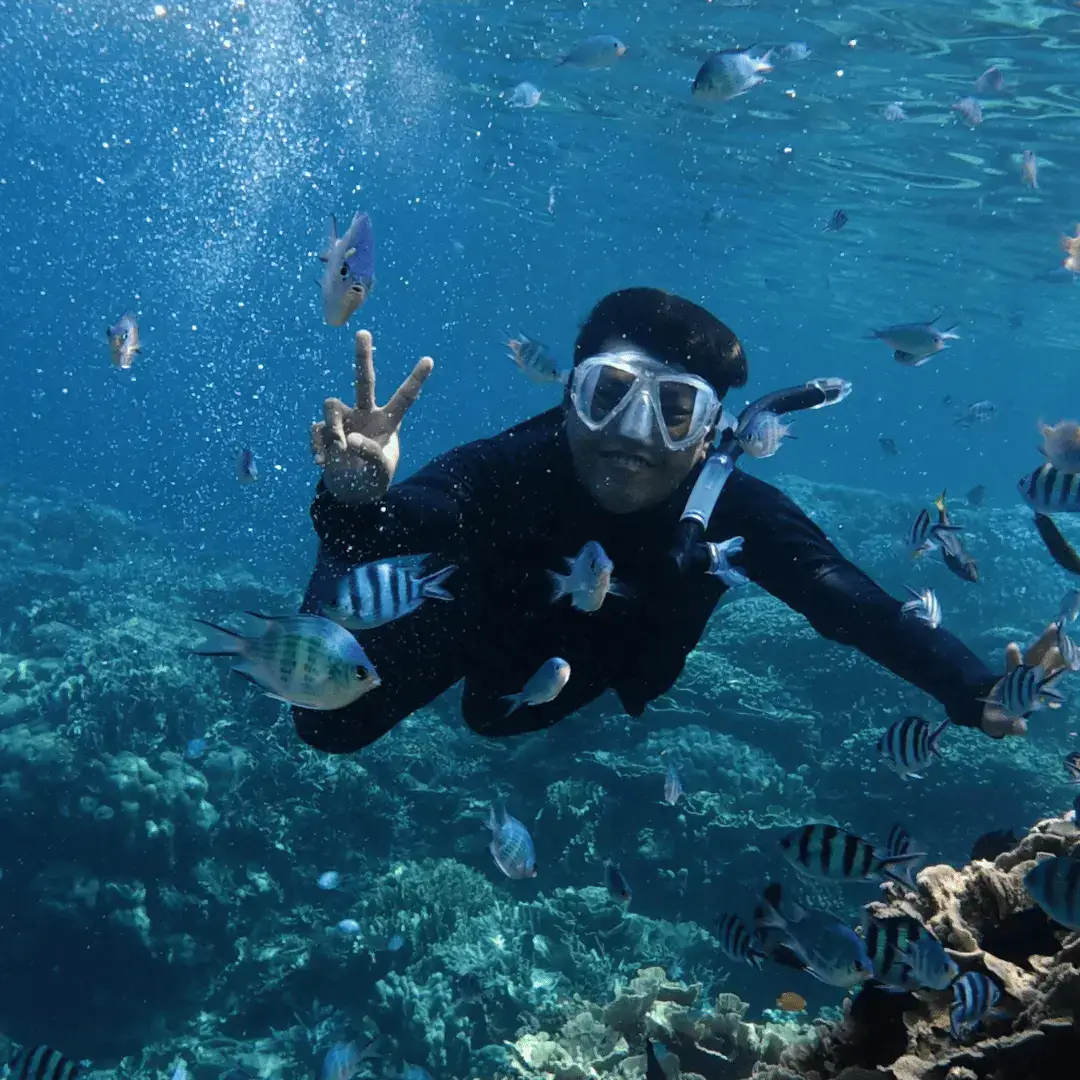
Sapi Island hopping in Kota Kinabalu delivers the first shock. You drop anchor in water so clear you can see coral gardens spreading out fifteen feet below, fish darting in every direction. Our boat captain, who’s navigated these waters his entire life, knows exactly where the sea turtles feed—and when guests slip on their masks for the first time, they often surface immediately, eyes wide above their snorkels.
I once guided a family whose children had never snorkeled before. When their youngest spotted a sea turtle gliding directly beneath him at Sapi, he shot up out of the water screaming with excitement. The parents laughed and cried simultaneously. Nobody wanted to return to the boat.
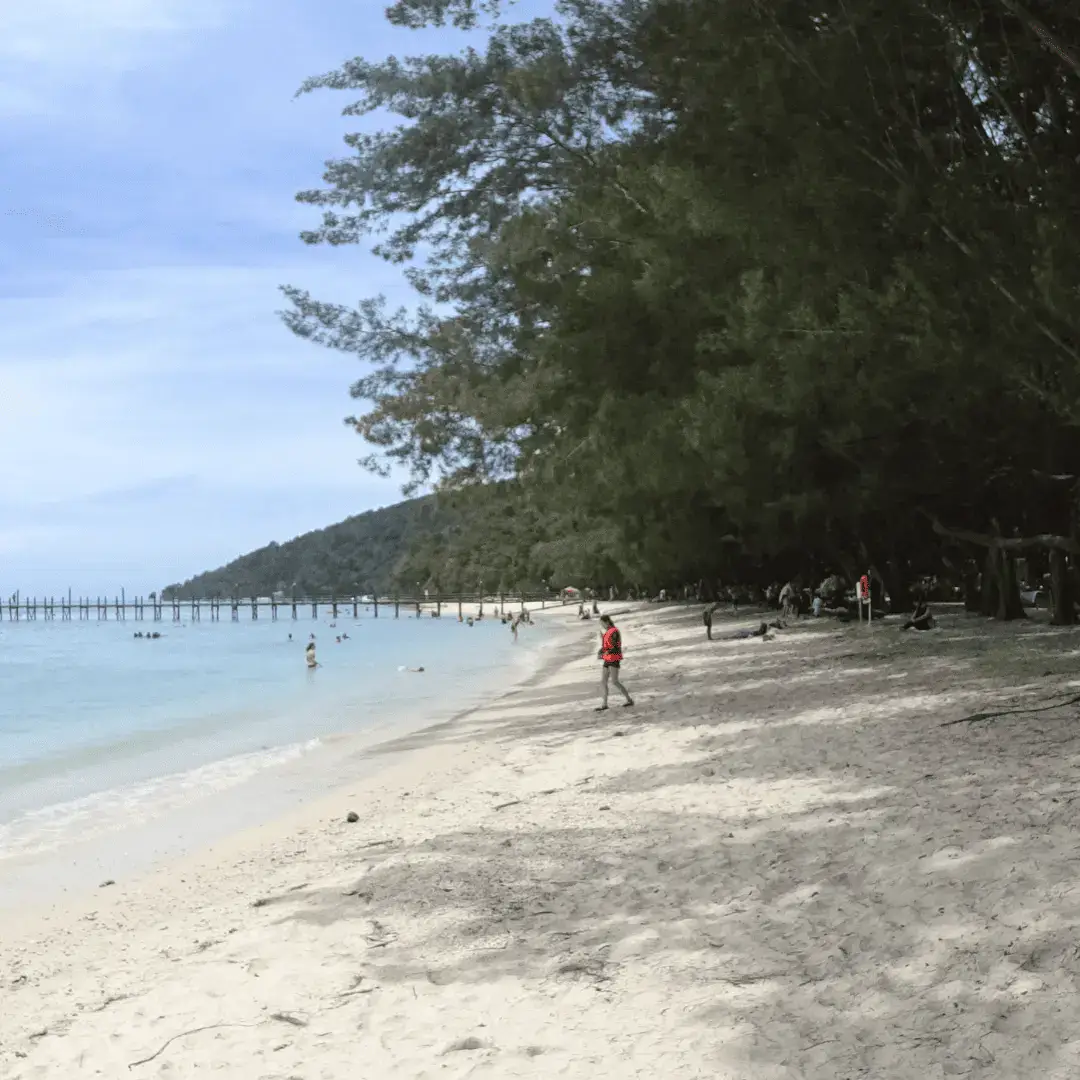
Each island reveals a different character. Gaya Island offers hiking trails through coastal forest where you might spot long-tailed macaques. Manukan Island provides white sand beaches for those who prefer lounging to snorkeling. Mamutik Island stays quieter, perfect for couples seeking space. Sulug Island attracts serious snorkelers with its pristine reefs.
The Living Reef System Most Travelers Miss
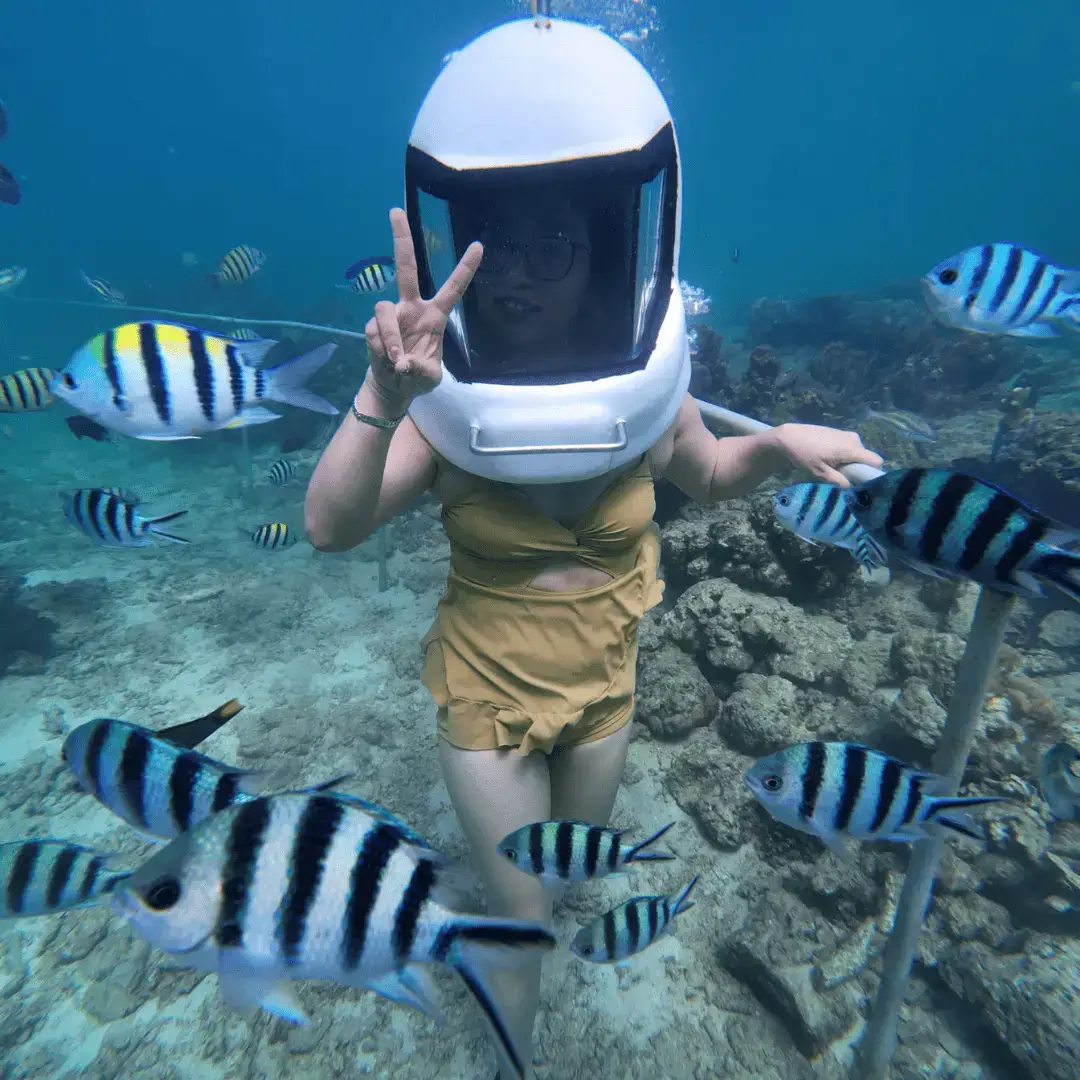
Tunku Abdul Rahman Marine Park is a genuinely protected ecosystem, not a recreation of one. Active management by park rangers covers water quality monitoring, visitor number controls, and nesting site protection. The result is wild coral reefs where parrotfish maintain the coral balance, clownfish defend their anemone homes, and sea turtles surface regularly between feeding sessions.
An experienced boat captain makes a significant difference here. The guides who’ve navigated these waters for years know where the reef sharks move through deeper channels, which tides deliver the clearest visibility, and where the turtles feed by time of day. A solo snorkeler with a rented mask would miss most of it.
The snorkeling itself requires no previous experience. Water temperature sits at 28–30°C year-round, currents are gentle, and the coral gardens begin shallow enough to stand in before sloping gradually for confident swimmers. Equipment and basic instruction are provided.
Beyond Snorkeling: What Each Island Offers
- Gaya Island covers the largest area and provides hiking opportunities through protected rainforest. The trail to the viewpoint takes about 45 minutes and reveals the entire marine park spread below. Monitor lizards sun themselves on fallen logs, and the forest canopy shelters over 100 bird species.
- Manukan Island attracts families with its developed facilities and calm swimming areas. The beach stretches wide enough for beach games, and the shallow lagoon on the protected side offers safe swimming for young children. Local vendors sell fresh coconuts and grilled corn.
- Sapi Island delivers the most reliable snorkeling. The coral gardens here support the highest concentration of marine life in the park. Sea turtle sightings happen regularly in the shallow bay, and the reef fish diversity rivals much more remote locations.
Mamutik Island remains the quietest option, with limited development maintaining its natural character. Couples often choose this island for picnic lunches on empty beaches. The snorkeling here requires more confidence as the reef drops off more quickly.
- Sulug Island offers the most pristine reefs for experienced snorkelers. The coral coverage reaches nearly 70% in some areas, and larger fish species appear more frequently in the deeper waters surrounding the island.
Related read: Theme Parks in Malaysia to Explore
The Rhythm of a Full Day Tunku Abdul Rahman Marine Park Island Hopping
Morning departures around 8:30 AM catch the calmest conditions. On clear days, Mount Kinabalu appears on the horizon during the crossing — a reminder that this small archipelago sits within reach of one of Southeast Asia’s most dramatic landscapes.
Each island visit runs 60–90 minutes, enough time to snorkel, explore, and sit for a while without feeling like you’re being moved along. Lunch happens on whichever island the group prefers — usually grilled seafood or local Malay dishes served on the beach. The appetite that comes from salt air and open water makes simple food land differently.
By the third or fourth island, guests who arrived nervous in the water are moving through it without thinking about it. The boat captain adjusts the sequence based on weather, tides, and what the group seems to want — there’s no fixed route, only a fixed set of options.
Late afternoon brings the return across open water, with the city skyline building gradually ahead. Most groups go quiet on this last stretch. The contrast between where you’ve been and where you’re returning to takes a moment to process.
Typical return time: 4:30 PM.
Related read: Must-Visit Islands in Malaysia
Practical Information
Best timing: The park operates year-round. Optimal conditions fall during the dry season, March through September, when seas are calmer and visibility is highest. The monsoon season (October to February) brings a higher chance of rain and choppier water, though tours generally run unless conditions become unsafe.
Getting there: Tours depart from The Shore jetty in central Kota Kinabalu, walkable from most city-center hotels and easily reached by taxi or Grab. The jetty sits next to the main waterfront shopping strip.
What to bring: Reef-safe sunscreen (required in a marine protected area), swimwear, towel, hat, and a waterproof phone case if you want underwater photos. Snorkeling gear is provided. Bring cash for island entrance fees and any food or drinks not included in your tour.
Cost ranges: Full-day island-hopping tours typically run RM 150–300 per person depending on group size and what’s included. Marine park entrance fees are additional at RM 10–30 per island visited. Confirm what’s included when booking — lunch and refreshments vary by operator.
Physical requirements: Basic swimming ability is recommended for open-water snorkeling, but not essential for the shallow reef areas. Life jackets are provided for non-swimmers. Bathroom facilities and freshwater rinse stations are available on most islands.
Frequently Asked Questions
How likely are sea turtle sightings at Tunku Abdul Rahman Marine Park?
Sea turtles are seen regularly at Sapi Island, particularly in the shallow coral feeding areas during morning visits. Wildlife is never guaranteed, but sightings happen often enough that they’re a realistic expectation rather than a lucky bonus. An experienced guide who knows the feeding patterns significantly improves your chances.
Is the marine park genuinely protected or just tourist-focused?
Tunku Abdul Rahman Marine Park operates under active government protection with real conservation measures. Rangers monitor coral health, regulate fishing, and manage visitor impacts. The coral reefs here support thriving fish populations, and the sea turtles are wild animals in their natural habitat, not tourist attractions.
Can young children or nervous swimmers participate safely?
The warm, calm waters and shallow entry points make this accessible for children as young as 6-7 years. Life jackets are provided, and many coral gardens start in water shallow enough to stand. Our guides offer snorkeling instruction and stay close to nervous swimmers during their first attempts.
How does this compare to other Southeast Asian marine parks?
The accessibility sets this apart—most comparable marine parks in Thailand, Indonesia, or the Philippines require longer boat journeys or overnight stays. Here you get protected reefs with healthy coral coverage and regular wildlife sightings, all within 20 minutes of a major city.
What happens if weather conditions are poor?
During rough weather, tours may be postponed or the itinerary adjusted to visit more protected islands. The boat captain prioritizes safety and guest comfort. Monsoon season (October-February) brings higher chances of rain and choppier seas, though tours typically operate unless conditions become dangerous.
Do you need previous snorkeling experience?
No previous experience necessary. The equipment is straightforward, the water is warm and calm, and guides provide basic instruction before your first snorkel session. Many guests try snorkeling for the first time here and discover a new passion for underwater exploration.


