


Judith Nunta Guimaraes walks damp trails for days, searching for allies to help defend the Amazon.
Zoila Ochoa is saving a language that, until recently, had only a single remaining native speaker.
Gabriela Loaiza Seri is rescuing an ancestral potato from disappearance in Peru.
These three women are fellows with Conservation International’s Amazonia Indigenous Women’s Fellowship — a program which supports women leaders working at the intersection of culture, community and conservation across the Amazon Basin.
In a series for Mongabay Latam, Astrid Arellano captured their personal stories of struggle and achievement across the Peruvian Amazon. They are portraits that reflect what the fellowship is built on: Indigenous women as seed-keepers, language-bearers and the ones who track the health of the Amazon across generations.
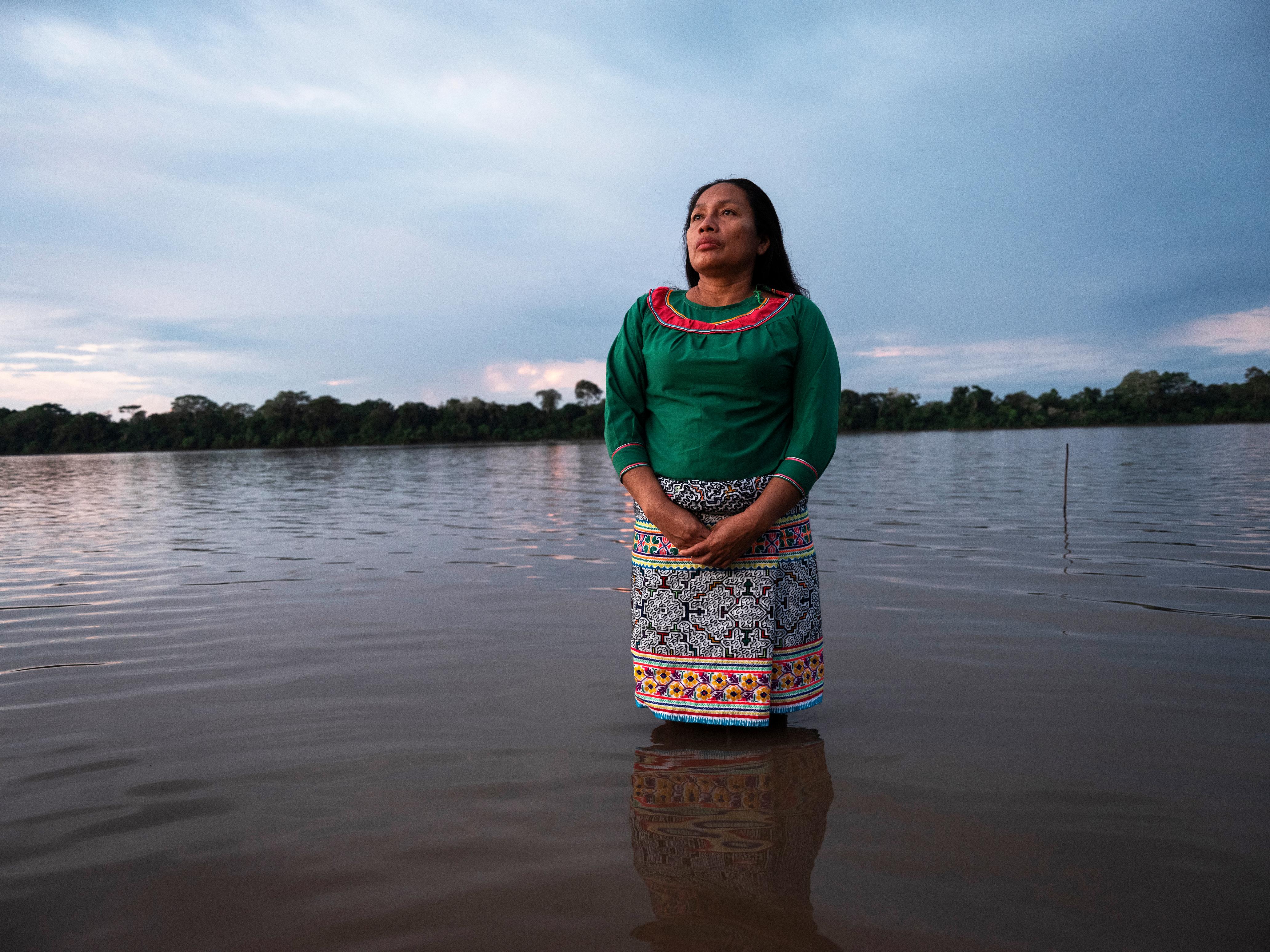
For Judith Nunta Guimaraes, caring for the forest is maternal — an extension of caring for family.
She is a leader of the Shipibo-Konibo people and the director of an Indigenous women’s program in Peru’s Ucayali region, a position she assumed nine days after giving birth to her son. Even while she was still nursing, she “kept walking with the women,” she told Arellano.
Nunta Guimaraes built the program from scratch. Today it trains women across 13 Indigenous federations to monitor their ancestral territories for overlapping threats: illegal mining, narco-trafficking, and cocoa cultivation that recruit young people from their communities and put women and girls at particular risk. Her response is to recruit, train and build strong bonds in the community.
“When we are united, we can do it together,” she said. “The women don’t log. We take care.”
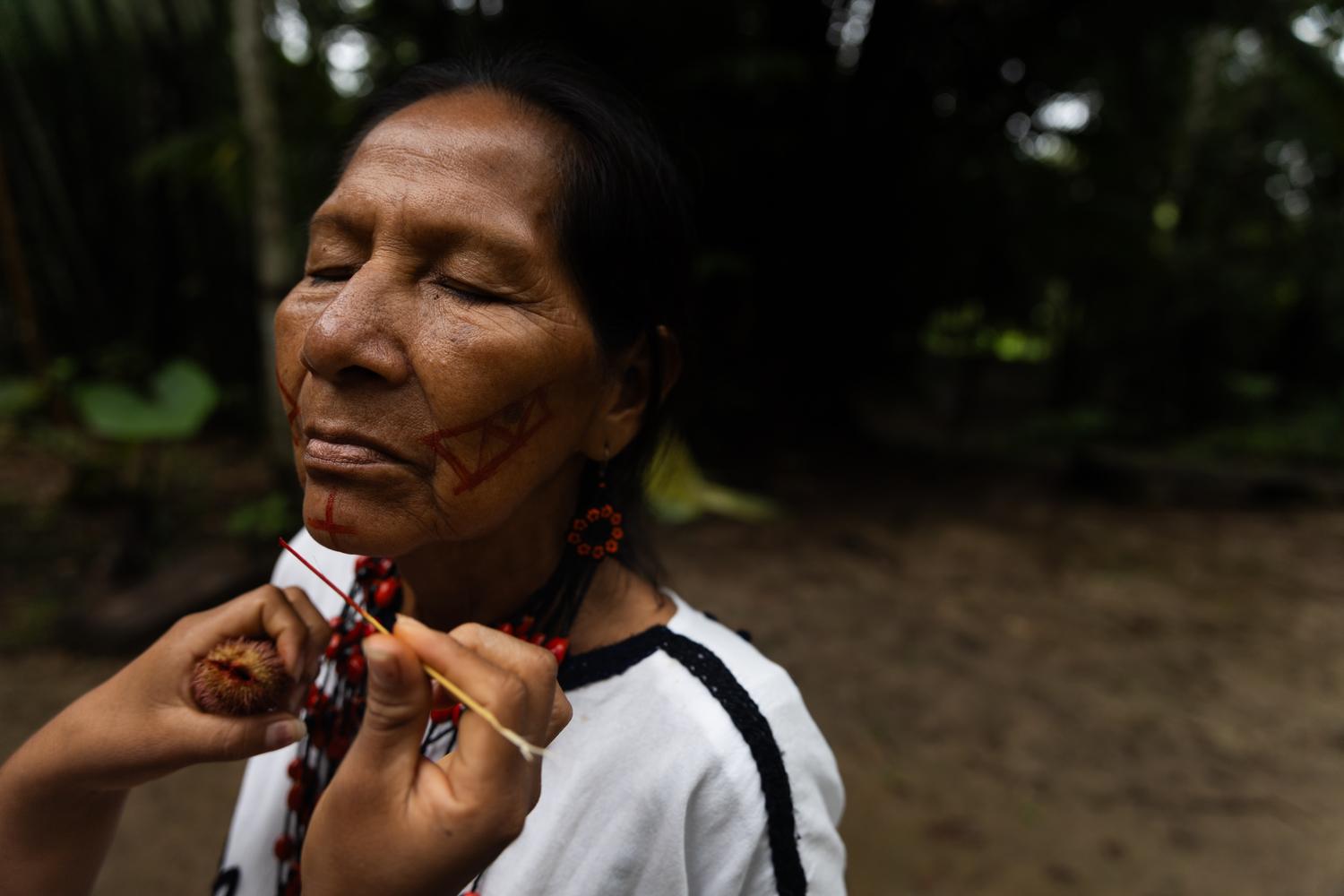
In the northern Peruvian Amazon, Zoila Ochoa is working to right a stunning wrong — the erasure of her culture.
When she began her work, only one elder — her uncle — could speak their ancestral language of Murui-Bue in her community of Centro Arenal. Her own father, like so many others, never taught her the language, she explains, because of the trauma of watching children punished by the “rubber barons” — outsiders who came to Peru during the rubber boom.
“My father recounts how the teacher became furious and made them dig a hole in a wetland with their bare hands, from morning till night, until some of their fingernails fell off, simply because they couldn’t speak Spanish,” she said.
“For our parents, not teaching us Murui-Bue meant protecting us from the cruelty they had lived. But the moment came to recover that language, because it is important.”
Thanks to her efforts, more than 30 people in her community now speak it.
Ochoa hopes the revival of her native tongue can revive other aspects of their ancient culture. “In our communities, we must create our own institutions where we teach everything that’s ours: how we hunted, how we cooked, how we healed people, what we grew.”
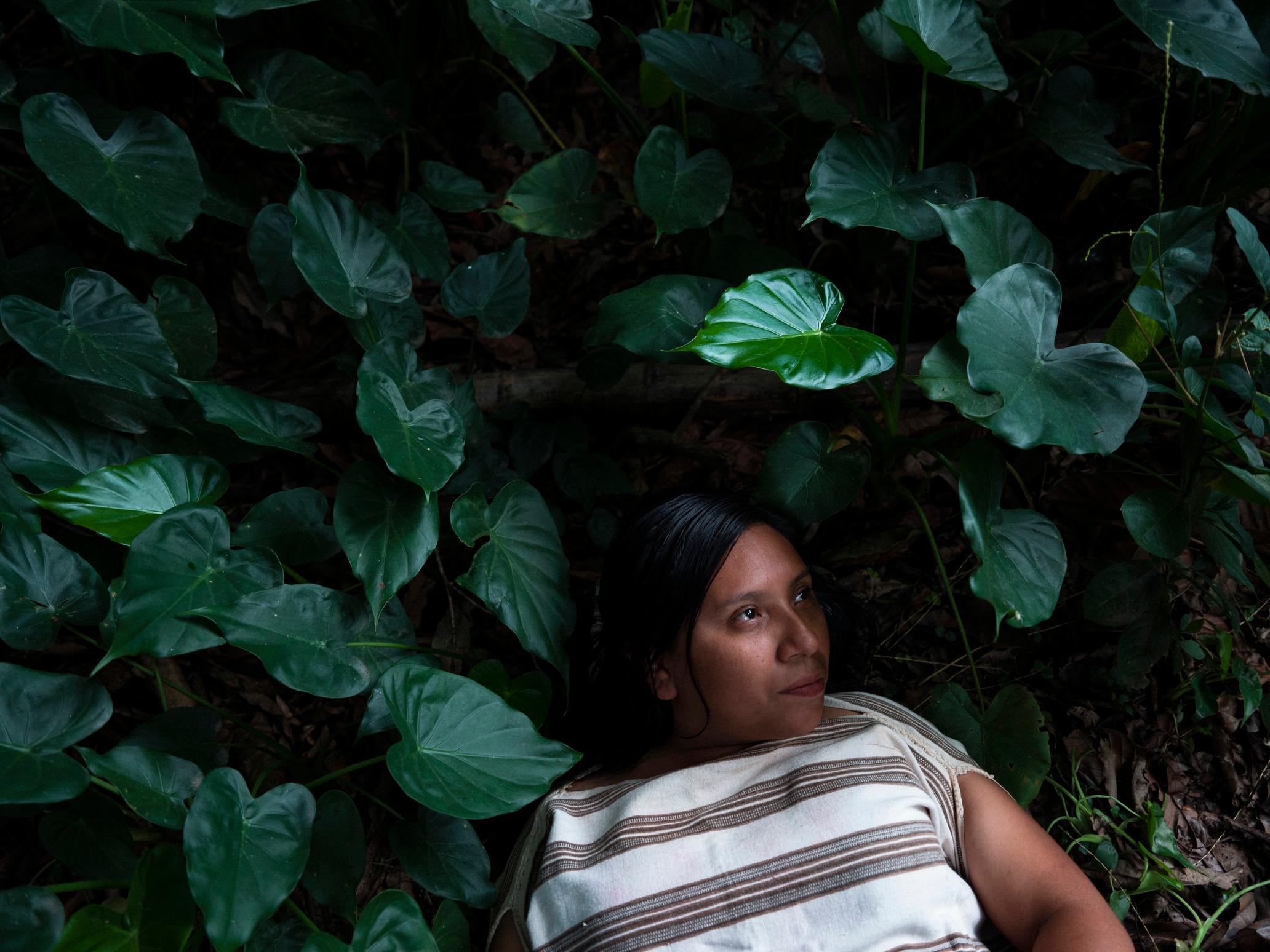
In Cusco, Gabriela Loaiza Seri is helping restore a different kind of cultural lifeline — a native Amazonian potato that had all but vanished from local farms as monocultures and introduced crops took hold.
Her efforts started with eight women and a small seed plot — following techniques set down by their grandmothers: no agrochemicals, no machinery and a strict observance of traditional knowledge passed down through generations of Machiguenga women.
“Our farms are made of bold earth, with a very pleasant scent,” Loaiza Seri said. “The magona potato grows there like a vine and clings to everything it finds: papaya, cocoa, corn, banana, cassava.”
Now, with help from Conservation International, the group produces and sells snacks and flour under the brand Kipatsi — “Earth” in Matsigenka. “This is not just a women’s enterprise that rescues or preserves these varieties of potatoes, but also strengthens our Indigenous economy,” she said.
Loaiza Seri, Nunta Guimaraes and Ochoa are just three fellows among dozens of other women taking on unique and impactful projects across the Amazon — each protecting a unique corner of the forest, and the ancient ways of life that sustain it.
“My message is that we must keep protecting our territory, our forests, our lakes,” said Nunta Guimaraes. “Let us care for them as we do today, and always.”
Read Astrid Arellano’s interviews with Judith Nunta Guimaraes, Gabriela Loaiza Seri and Zoila Ochoa in full at Mongabay Latam.

