


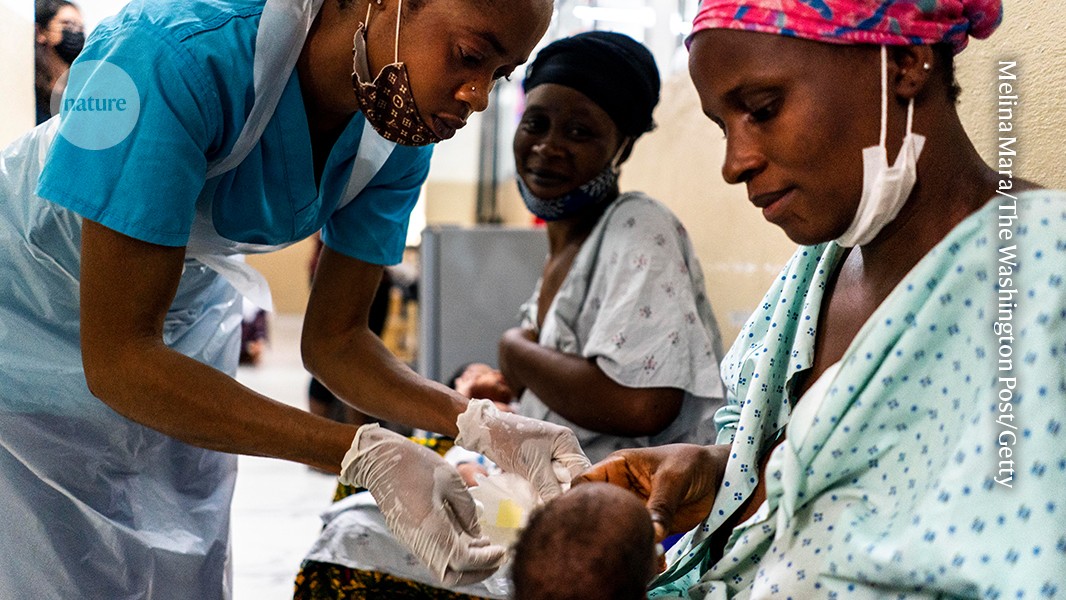
Scarcity shapes nearly every aspect of health-care delivery in low- and middle-income countries (LMICs), so making good decisions about how to allocate resources is crucial. Yet the tools used to guide these choices are themselves scarce. Methods for forecasting demand, coordinating supply chains and distributing resources, which are taken for granted in high-income settings, are often unavailable or unreliable in LMICs. Writing in Nature, Chung et al.1 describe a machine-learning system for allocating scarce medicines. It works by forecasting demand for medical supplies — how much medication will be consumed, in what clinic, on what day — and using these predictions to guide distribution decisions. Rather than simply offering an algorithmic proof-of-concept, the paper reports a decision engine that is designed for and implemented in the messiness of real-world health systems.
Competing Interests
The author declares no competing interests.

