


July 11, 2026
NFL stars avoid lifestyle inflation, demonstrating that disciplined saving can create financial empowerment.
In an era when professional sports culture glorifies immediate spending on mansions and exotic cars, elite athletes Jalen Hurts and Arik Armstead follow a different playbook. By prioritizing aggressive saving and asset preservation, they provide a clear blueprint for financial empowerment in the African American community.
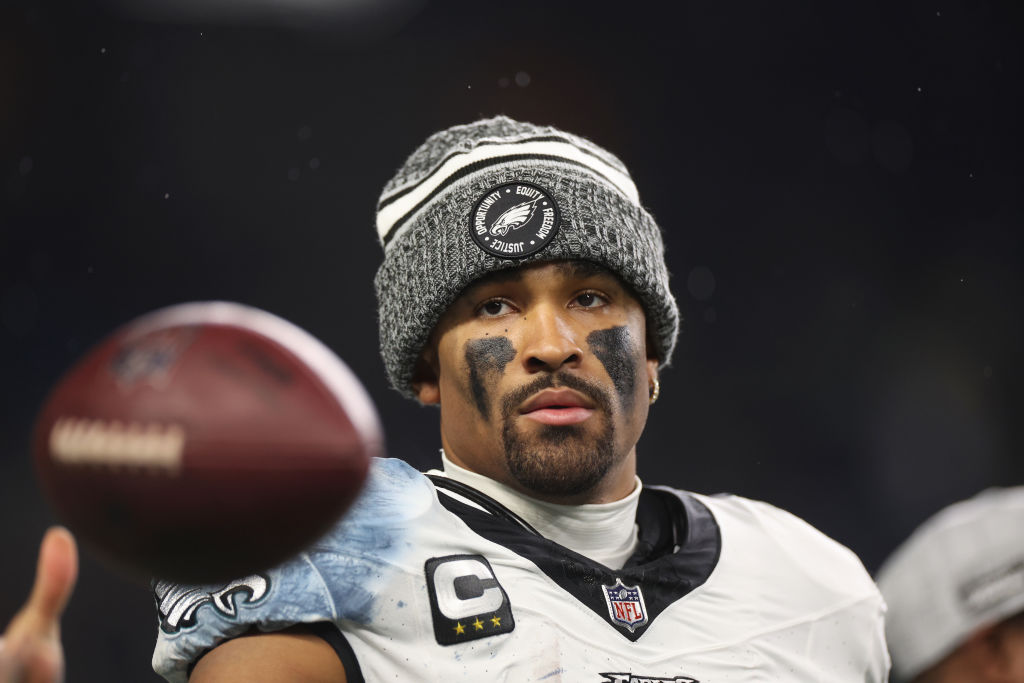
Hurts, the Philadelphia Eagles quarterback who secured a $255 million contract extension through 2028, entered the league with a $6 million rookie deal. Despite the windfall, he limited his spending and allocated nearly 80% of his rookie take-home pay to savings and investments.
“Hurts protected the gap between what he earned and what he spent, and this is what builds wealth,” Ben Batiste, owner of Crestmark Wealth Group, said in an interview with Moneywise. Batiste noted Hurts avoided lifestyle inflation by driving a paid-off used car and moving to a modest lease instead of buying depreciating luxury vehicles.
Similarly, defensive lineman Arik Armstead, who entered the NFL as a first-round draft pick with a $9 million guaranteed contract, drove his mother’s Toyota Camry during his rookie year. On the Money and Wealth podcast hosted by Operation HOPE Founder John Hope Bryant, Armstead said his main goal was to save $5 million before making major luxury purchases.
“Just because you can buy something doesn’t mean you can afford it long term,” Armstead said on the podcast. He followed a strict rule: pick only one indulgence instead of funding multiple expensive habits like luxury cars, jewelry, and bottle service at once.
https://www.instagram.com/p/DYD1dVAETbN/?img_index=13
This conservative method challenges systemic wealth inequalities. The African American community has faced obstacles to building generational wealth. Hurts and Armstead show wealth accumulation depends more on the percentage of income saved than on total earnings.
John Hope Bryant highlighted Armstead’s strategy, noting a 5% return on $5 million produces $250,000 in annual passive income without reducing the principal. He explained this principle applies at any income level: set a baseline target for passive income to secure your financial future.
These examples translate into practical daily habits. Financial experts recommend pausing before spontaneous purchases and curating social media feeds to avoid lifestyle comparisons as steps toward financial empowerment.
“Delayed gratification is a learned skill, not a personality trait,” Jared Porter, co-founder at 401GO, told Moneywise. “The more you practice resisting the immediate purchase, the easier it becomes to see how saving now protects your future self.”
In addition to automated savings, both athletes stress self-education. Armstead spent his offseason studying venture capital at Columbia University to better understand tech investing and overcome barriers from complex terminology. Hurts prioritized hiring trusted financial advisors and supporting his sister’s college education. When selecting an advisor, experts recommend choosing professionals with recognized credentials, such as Certified Financial Planner (CFP), and seeking transparency in fees. It is also important to select someone who acts as a fiduciary and clearly understands investment strategies to ensure their advice aligns with your goals.
By making saving their top priority, Hurts and Armstead show that financial empowerment requires a defensive strategy, ongoing education, and a conscious rejection of short-term status symbols.
RELATED CONTENT: AUTO FLEX: The 2026 Lucid Gravity GT Redefines Electric Luxury With A Boost From the NY Knicks

