


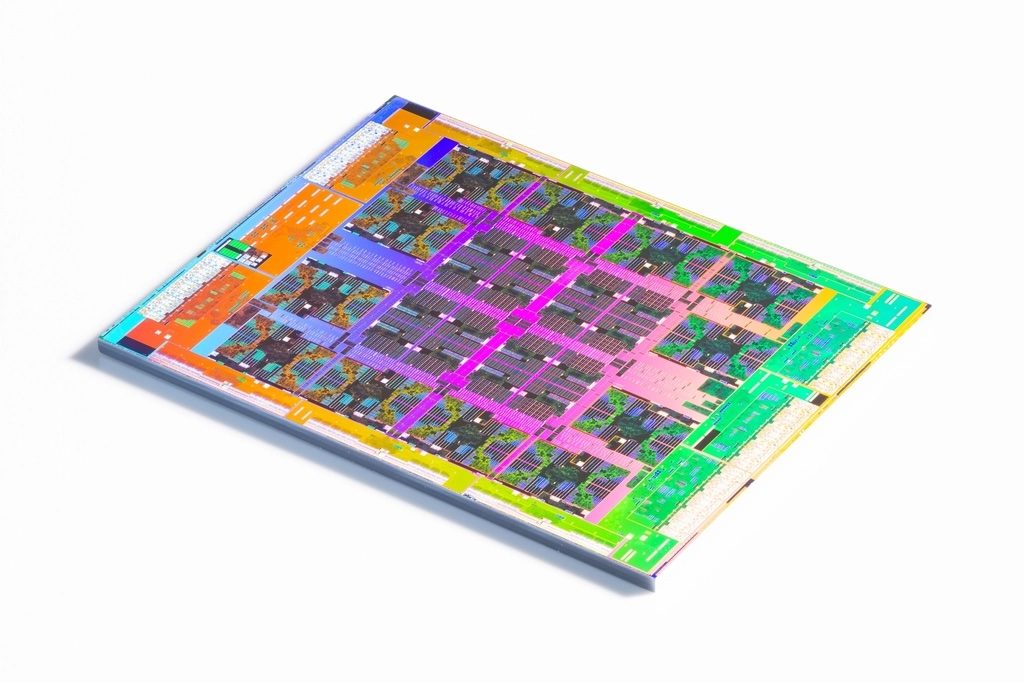
New system-on-chip aims to replace fragmented electronics with a single secure architecture
HYFIX Spatial Intelligence, Inc. has announced a $15 million seed round to develop a new class of U.S.-made chips for drones and autonomous systems. The Santa Clara-based semiconductor company says its technology will replace today’s fragmented drone electronics with a single integrated platform.
The funding round was led by Craft Ventures, with participation from Catapult Ventures, Multicoin Capital, Finality Capital, and investor Sky Dayton.
Addressing a Fragmented Drone Supply Chain
Today’s drone systems rely on many separate components. These include flight controllers, GPS modules, radios, and onboard computers. Many of these parts come from outside the United States.
HYFIX says this approach creates risk. It can slow development and raise concerns about security and long-term supply.
Regulatory pressure is also shaping the market. Actions by the Federal Communications Commission have placed limits on certain foreign-made drones and components. These rules are pushing manufacturers toward domestic alternatives.
“There is currently no end-to-end American supply chain for drones,” said Jeff Fluhr, Venture Partner at Craft Ventures. “HYFIX is tackling one of the most critical pieces, custom silicon, so U.S. companies can build world-class autonomous systems without depending on foreign technology stacks.”
A Single Chip to Replace Multiple Systems
HYFIX is developing a system-on-a-chip (SoC) designed to combine several core drone functions. The chip integrates flight control, positioning, communications, and onboard computing into one platform.
This design replaces the need for multiple separate components. The company says this will help reduce size, weight, and power use. It may also improve reliability and lower costs.
“Whether you’re building a palm-sized consumer drone or a heavy-lift autonomous system, the underlying problems are the same: power, precision, reliability, and security,” said Mike Horton, CEO of HYFIX Spatial Intelligence. “We’re giving builders a single silicon foundation that scales across use cases instead of forcing them to stitch together fragile systems from dozens of suppliers.”
Designed for Precision and Resilience
The HYFIX chip is built to operate in real-world conditions where GPS may be weak or unavailable. It supports open-source platforms such as ROS 2, ArduPilot, and PX4.
The system also integrates with the GEODNET Real-Time Kinematic network. This allows for centimeter-level positioning. The chip is designed to work with emerging low Earth orbit satellite systems as well.
HYFIX says this combination enables more accurate and reliable operations across different environments.
Broad Applications Across Markets
The company expects the chip to support a wide range of use cases. These include consumer drones, public safety systems, and commercial platforms.
Applications range from small camera drones to ISR systems and autonomous ground robots. Industrial uses include inspection, mapping, agriculture, construction, and delivery.
The company positions the chip as a flexible foundation that can scale across these markets.
HYFIX plans to deliver production-ready chips to select customers later this year. The company is also developing a sub-250g reference drone to demonstrate the platform. Shipments of the reference system are expected later this year.
A Push for Domestic Drone Technology
The announcement reflects a broader trend in the drone industry. Governments are placing more focus on secure and domestic supply chains. This is especially true for public safety and defense applications.
In the United States, policy actions and procurement programs continue to encourage local manufacturing. Companies that can provide key components, such as chips, may play an important role in building a full domestic ecosystem.
HYFIX is targeting one of the most foundational layers in that stack. Its success will depend on whether manufacturers adopt a new, integrated approach to drone electronics.
Read more:

Miriam McNabb is the Editor-in-Chief of DRONELIFE and CEO of JobForDrones, a professional drone services marketplace, and a fascinated observer of the emerging drone industry and the regulatory environment for drones. Miriam has penned over 3,000 articles focused on the commercial drone space and is an international speaker and recognized figure in the industry. Miriam has a degree from the University of Chicago and over 20 years of experience in high tech sales and marketing for new technologies.
For drone industry consulting or writing, Email Miriam.
TWITTER:@spaldingbarker
Subscribe to DroneLife here.

