


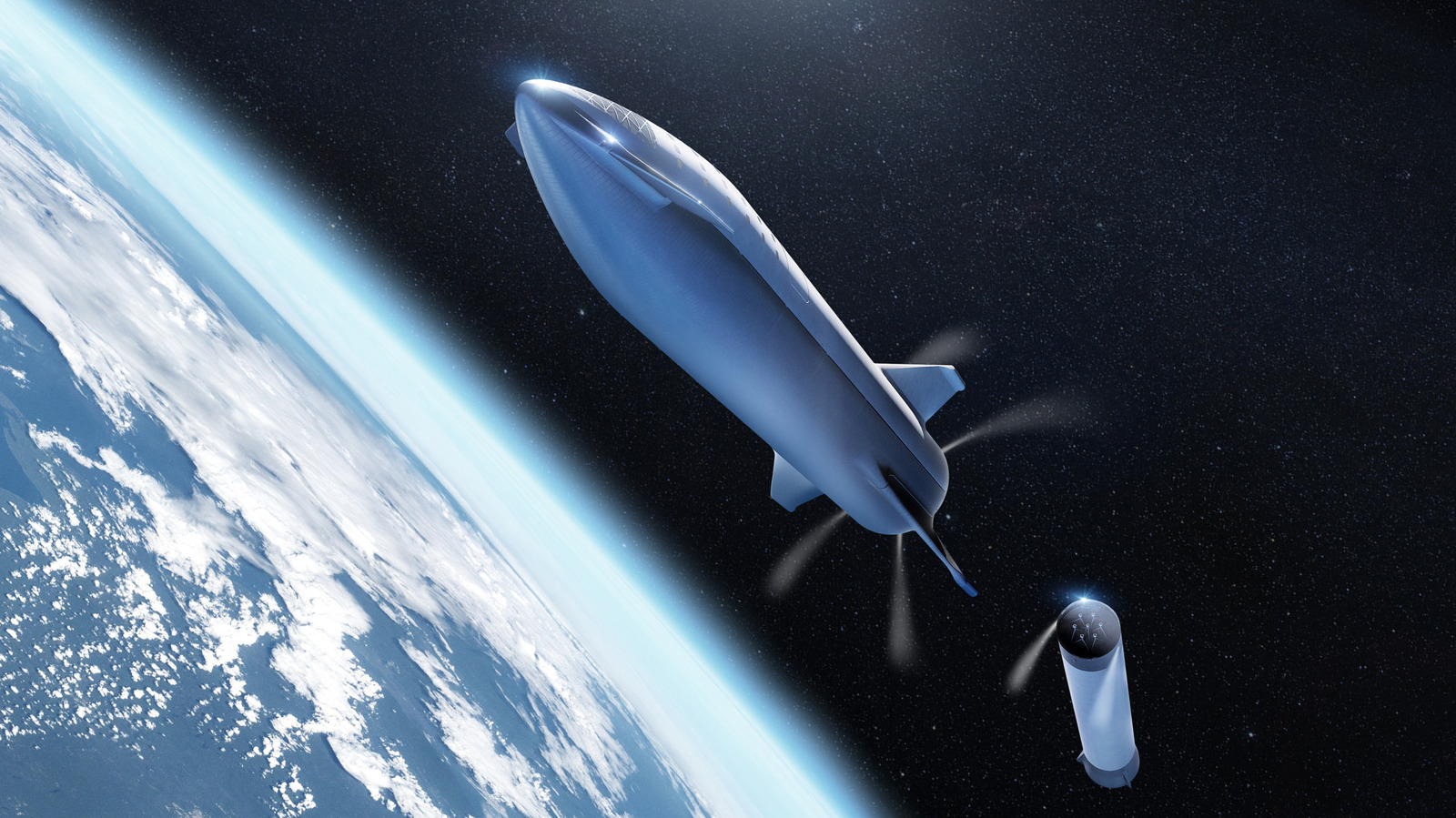
Remember those halcyon days when SpaceX believed it was on the cusp of transforming humanity? It feels like only just this year that SpaceX was filing to launch one million AI data center satellites into orbit, something it claimed would be “a first step toward becoming a Kardashev Type II civilization.” I am even old enough to remember when CEO Elon Musk said the company planned to build “a self-growing city on the Moon,” all part of a plan to “extend consciousness and life as we know it to the stars.” Such dreams, SpaceX had! Such aspirations!
Well, that was all before the space juggernaut quietly filed for an IPO, and now, the tune is a little different. Reuters got ahold of the S-1 filing of the world’s most valuable private company, which lays out financial information and known risks for potential investors. In it, SpaceX writes:
Our initiatives to develop orbital AI compute and in-orbit, lunar, and interplanetary industrialization are in early stages, involve significant technical complexity and unproven technologies, and may not achieve commercial viability.
This is obviously a serious business document for serious business people, so the language is more restrained than Musk’s bluster. But SpaceX is aiming for a colossal $1.75 trillion valuation, which just so happens to be just larger than the current record-holder, Saudi Aramco in 2019 at $1.7 trillion. That gigantic figure is only justifiable if SpaceX is about to rewrite history. So any sense that SpaceX might fall short is a risk. “May not achieve commercial viability” is about as short as it gets!
SpaceX’s future rides on Starship
At least the enterprise has its Starship rocket to fall back on. The biggest rocket ever made is set to get five feet bigger with its new V3, currently getting ready for testing. Good thing Starship V2 didn’t blow itself up half the time, except for the small fact that it did. If V3 doesn’t get the gremlins sorted out, where does that leave SpaceX? According to the S-1 filing:
Any failure or delay in the development of Starship at scale or in achieving the required launch cadence, reusability and capabilities thereof would delay or limit our ability to execute our growth strategy.
Again, you can’t justify a $1.75 trillion valuation without insane growth. So if that growth depends on Starship, then V3 really better be the greatest rocket ever made. Currently, its first flight is scheduled for before the IPO, but don’t be shocked if that changes.
SpaceX is still good business
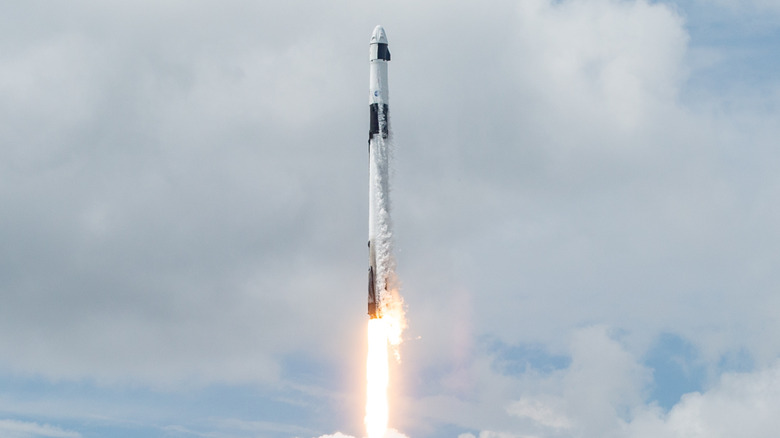
All that said, the S-1 filing is really just translating Musk’s ambitions into real talk. If you get away from record-breaking valuations and self-growing cities, then the underlying business actually looks really solid. The document reveals good news disguised as bad news: SpaceX lost $5 billion in 2025. But that mostly has to do with acquiring another Musk company, xAI. The real indicator is that revenue grew to nearly $19 billion, or about $5 billion more than it made the year prior. This is a growth company.
A good chunk of that growth can be attributed to Starlink, the satellite internet service. Starlink made over $4 billion in profit last year, a massive increase and just fantastic business. Combined with $25 billion cash on hand, and you don’t need to listen to Musk to feel bullish on the company’s prospects. But do you feel $1.75 trillion bullish? That’s the big question on Wall Street. “Commercial viability” on all its future plans would sure help.

