


Blueflite, Verity, and Air VEV Added to Growing List of Exempted Aircraft Under FCC Covered List Rules
The Federal Communications Commission (FCC) has expanded its growing list of conditionally approved drone systems, granting exemptions for several additional uncrewed aircraft systems (UAS) and related components under the agency’s controversial Covered List framework.
In a Public Notice released May 26, 2026, the FCC’s Public Safety and Homeland Security Bureau announced that the Department of War (DoW) had granted Conditional Approvals for three additional drone manufacturers: Blueflite, Verity AG, and Air VEV. The approvals exempt specific systems from restrictions associated with the FCC Covered List through December 31, 2026.
The move represents the latest step in the FCC’s evolving implementation of rules targeting foreign-made drones and drone components.
Background: The FCC Covered List and Foreign-Made Drones or components
The FCC Covered List identifies communications equipment and services determined to pose “an unacceptable risk to the national security of the United States or the security and safety of United States persons.”
Historically, the list focused on telecommunications and surveillance companies such as Huawei Technologies, ZTE Corporation, Hytera Communications Corporation, Hangzhou Hikvision Digital Technology Company, and Dahua Technology Company.
That changed in December 2025, when the FCC added all UAS and UAS critical components produced in a foreign country to the Covered List.
The decision followed a National Security Determination from an executive branch interagency body, which concluded that foreign-produced drones and critical components posed unacceptable national security risks.
The action dramatically expanded the scope of the Covered List. Instead of targeting specific manufacturers, the rule broadly applied to all foreign-made drone systems and key components. It also included many US-made drones that utilize foreign-made components.
At the same time, the FCC established several paths for exemptions.
The Path to Exemption Status
Under the current framework, drone manufacturers can receive exemption status in three ways:
- Inclusion on the Defense Contract Management Agency’s Blue UAS Cleared List
- Qualification as a “domestic end product” under Buy American standards
- Receipt of a Conditional Approval from the Department of War or Department of Homeland Security
The FCC said the interagency process allows manufacturers producing drones abroad to submit their systems for review by federal security agencies. If DoW or DHS determines that the systems do not pose unacceptable risks, the FCC can exempt them from the Covered List.
The latest announcement adds three more companies to that exemption process.
The Newly Approved Aircraft
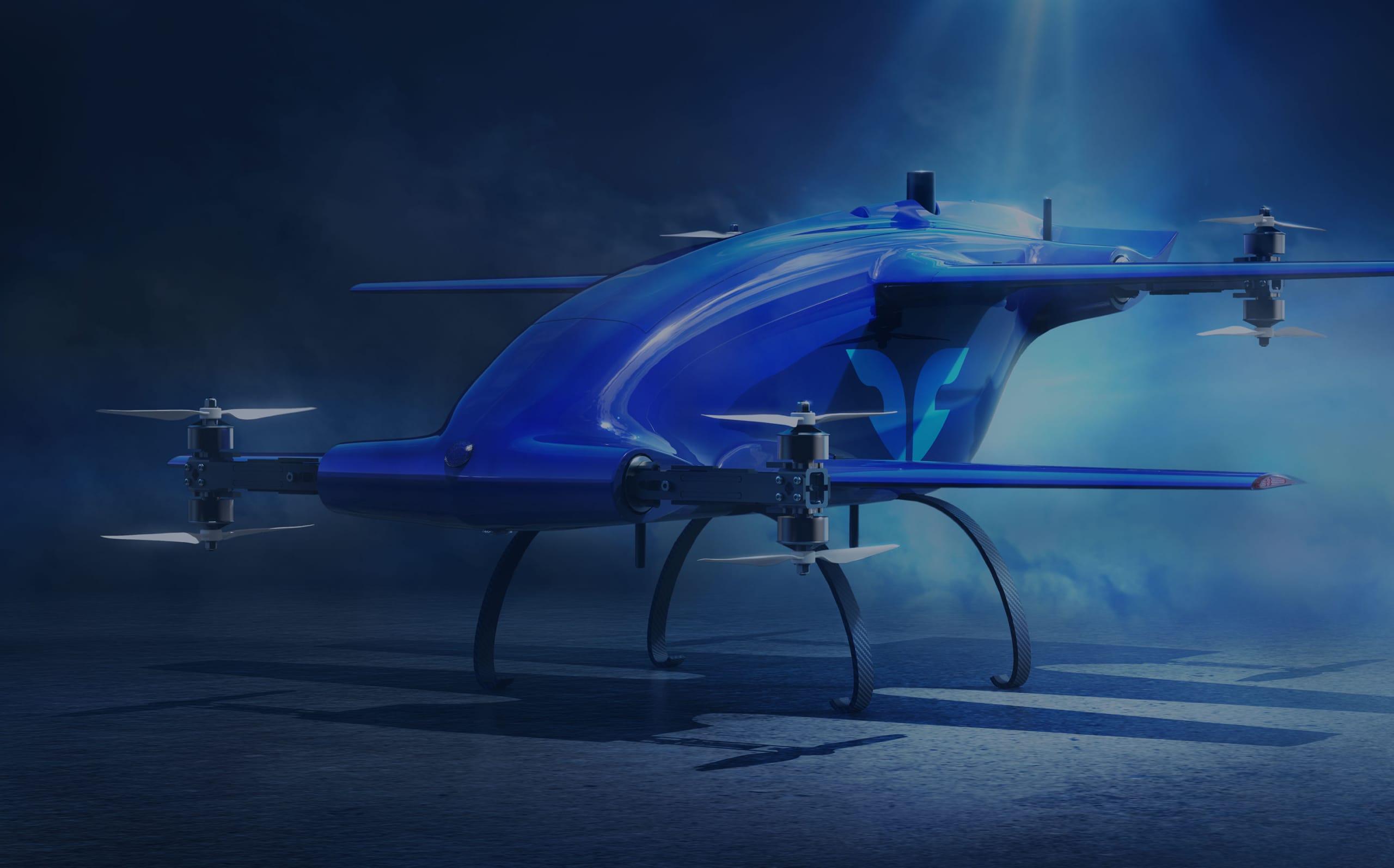
Blueflite, Inc. Cobalt 461
The FCC granted Conditional Approval for Blueflite’s Cobalt 461 UAS along with related critical components, including “data transmission devices, communications systems, and flight controllers.”
Blueflite is known for logistics-focused drone platforms designed for cargo and delivery applications. The Cobalt 461 is part of the company’s heavy-lift autonomous logistics portfolio, aimed at industrial and emergency response operations.
The approval is notable because it extends beyond the aircraft itself to include communications and control systems, an area central to FCC authority and national security review.
Verity AG Series 4 Indoor Autonomous Inventory System
The FCC also approved Verity AG’s Series 4 Indoor Autonomous Inventory System.
Unlike many systems on the exemption list, Verity’s platform operates indoors. The company specializes in autonomous inventory drones used inside warehouses and logistics facilities. The drones perform barcode scanning and inventory tracking in large industrial environments.
Indoor systems occupy an unusual place in the current regulatory debate. While they generally do not operate in the National Airspace System, they still rely on communications systems and wireless technologies subject to FCC oversight.
Air VEV, Inc. 120C and 060C Systems
The third approval covers Israeli startup’s Air VEV’s 120C and 060C unmanned aerial systems.
The FCC notice does not provide technical details on the aircraft. However, their inclusion demonstrates that the exemption process continues to expand across multiple categories of drone operations and manufacturers.
The Growing List of Conditional Approvals
The newest additions join a steadily expanding list of conditionally approved systems first established in March 2026.
The current list of approved drone systems now includes:
- SiFly Aviation Q12
- Mobilicom SkyHopper Series and related systems
- ScoutDI Scout 137
- Verge X1
- Sees.ai v.USA. 1.0
- Air6 Systems AIR series aircraft
- Elevon Aerial Z30, Z50, and Z80
- Blueflite Cobalt 461
- Verity Series 4
- Air VEV 120C and 060C
The approvals are temporary and currently expire December 31, 2026.
Why the Announcement Matters
The FCC’s Covered List framework has become one of the most significant policy shifts affecting the drone industry in the United States.
The rules affect not only manufacturers, but also public safety agencies, infrastructure operators, enterprise users, and communications providers that rely on drone systems.
At the same time, the exemption process shows that the federal government is attempting to create a pathway for some foreign-produced systems to continue operating in the U.S. market if they can meet national security review standards.
The growing exemption list also illustrates how drone policy is increasingly tied to communications infrastructure and cybersecurity oversight rather than aviation regulation alone.
Read more:

Miriam McNabb is the Editor-in-Chief of DRONELIFE and CEO of JobForDrones, a professional drone services marketplace, and a fascinated observer of the emerging drone industry and the regulatory environment for drones. Miriam has penned over 3,000 articles focused on the commercial drone space and is an international speaker and recognized figure in the industry. Miriam has a degree from the University of Chicago and over 20 years of experience in high tech sales and marketing for new technologies.
For drone industry consulting or writing, Email Miriam.
TWITTER:@spaldingbarker
Subscribe to DroneLife here.

