


New licensing requirements for controlled drones and components could create additional challenges for manufacturers already adapting to changing U.S. regulations.
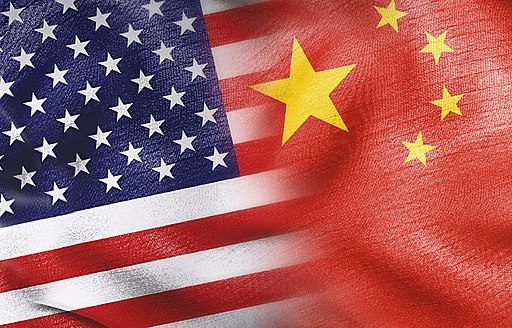
China has announced new export control measures affecting certain drones, drone components, and related technologies destined for the United States, adding another layer of uncertainty to global drone supply chains.
In Announcement No. 34 of 2026, issued August 5 by China’s Ministry of Commerce, Beijing said exports of drones and related items already included on China’s dual-use export control list will be subject to stricter case-by-case review when shipped to the United States. The measures took effect immediately.
According to an English translation of the announcement, the ministry stated that exports of covered items to the United States will be “subject to strict case-by-case review and will not be eligible for license facilitation measures.”
The announcement does not prohibit all drone exports to the United States. Instead, it tightens licensing requirements for products already included on China’s dual-use export control list.
The Impact May Be Greater Than the Announcement
For many U.S. drone manufacturers, the significance lies less in the policy itself than in where it applies.
While companies have worked to diversify supply chains in recent years, many still depend on Chinese suppliers for components such as motors, batteries, radios, sensors, cameras, navigation equipment, and other electronics. Additional export review could lengthen lead times, increase compliance requirements, or delay shipments of controlled components, particularly for smaller manufacturers with limited sourcing options.
The practical effect is more likely to be slower deliveries than immediate shortages.
Pressure on Both Ends of the Supply Chain
The announcement also reflects a broader shift in the global drone market.
Recent U.S. regulatory actions have increased scrutiny of foreign-produced drones and critical drone components entering the United States. China’s latest measures increase scrutiny of certain controlled drone technologies leaving the country.
For manufacturers, that means regulatory pressure now exists on both sides of the supply chain. Access to critical components increasingly depends not only on commercial relationships but also on export controls and national security policy.
What Drone Operators Could See
The announcement does not affect drones already in service. If the new licensing requirements have downstream effects, they are more likely to appear in manufacturing than in the field.
Longer approval times for controlled components could slow product introductions, extend delivery schedules, and increase production costs for some systems. Whether those costs reach customers will depend on how manufacturers adapt their supply chains.
Supply Chains Have Become a Competitive Issue
The announcement underscores how rapidly the drone industry is changing. Governments are increasingly focused not only on complete aircraft but also on the components and technologies behind them.
That trend is likely to accelerate efforts to diversify sourcing beyond China. Manufacturers may continue expanding relationships with suppliers in the United States and allied manufacturing markets such as Europe, Japan, South Korea, Taiwan, and Canada.
China’s latest action stops well short of an export ban. Even so, it adds another consideration for manufacturers navigating an increasingly complex regulatory landscape, where securing critical components may become as important as designing the aircraft itself.
Read more:

Miriam McNabb is the Editor-in-Chief of DRONELIFE and CEO of JobForDrones, a professional drone services marketplace, and a fascinated observer of the emerging drone industry and the regulatory environment for drones. Miriam has penned over 3,000 articles focused on the commercial drone space and is an international speaker and recognized figure in the industry. Miriam has a degree from the University of Chicago and over 20 years of experience in high tech sales and marketing for new technologies.
For drone industry consulting or writing, Email Miriam.
TWITTER:@spaldingbarker
Subscribe to DroneLife here.

