


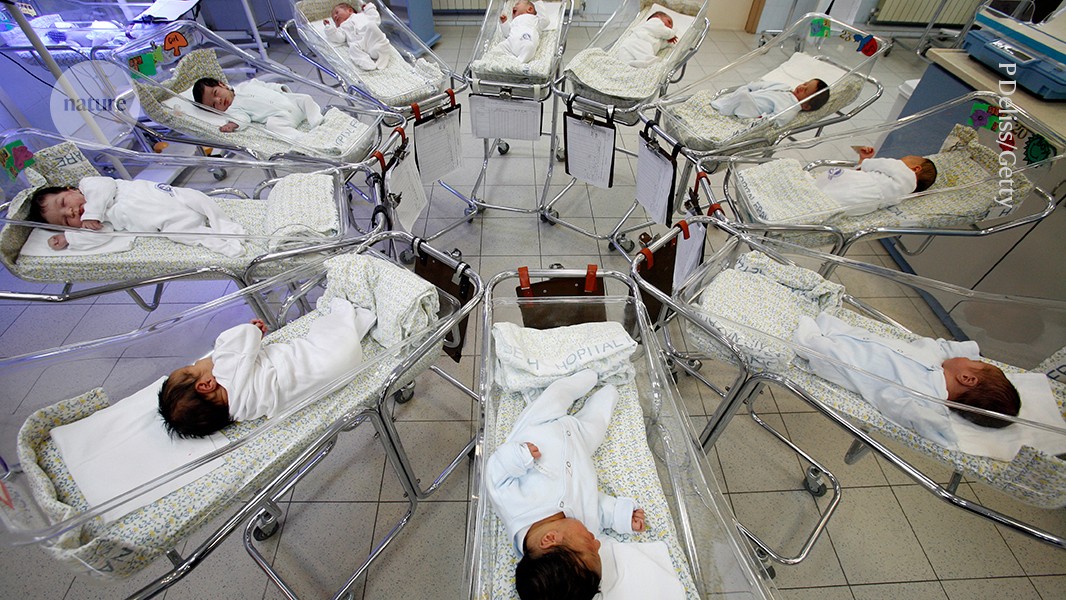
In February, the US Food and Drug Administration (FDA) proposed a radical rethink of how scientists, physicians and manufacturers develop personalized genetic therapies. The regulator’s suggested introduction of a ‘plausible mechanism pathway’ should increase incentives for drug companies to develop personalized treatments, including gene-editing therapies for rare disorders (see go.nature.com/4mnmgzq).

The baby whose life was saved by the first personalized CRISPR therapy
Some 350 million people worldwide live with one of more than 5,000 genetic diseases1. Many of these conditions could, in theory, be treated with personalized therapies, which correct a single genetic mutation in a person’s DNA using the CRISPR gene-editing tool. In February 2025, KJ Muldoon, a baby born in the United States with a life-threatening metabolic disorder, became the first person to receive this type of personalized treatment2.
Yet, so far, the bespoke nature of such therapies has posed a huge obstacle to their spread. Much as a letter needs to be labelled with the right address, so CRISPR needs to be programmed to find and repair a mutation using a tiny string of nucleic acids called a guide RNA, which can be unique to each person. Under conventional rules, each guide RNA is therefore classed as a new drug, requiring stringent safety and efficacy testing and its own clinical trial.
In our work, we have found that it typically takes about four years to perform all the tests needed to get FDA approval for a tailored therapy. This lengthy period might be acceptable for a genetic treatment for a condition such as haemophilia or sickle-cell disease, for which existing medications can keep a person alive for many years. But it is much too long for a newborn who has been diagnosed with a severe genetic disease of metabolism, immune system, lungs or skin, for which treatment in the first year of life is crucial.
Worse, the full set of studies needed to secure approval to start a clinical trial is expensive, typically costing more than US$25 million. That’s too much for drug developers, for a product that will treat just one child.
Encouragingly, under the FDA’s proposed pathway, drug companies would be able to treat many people with different mutations as part of a single clinical trial — as long as participants have the same clinical symptoms, such as a disease of a specific metabolic pathway, or severe combined immune deficiencies. As a result, we foresee that the timeline to get CRISPR therapies into the clinic could drop to as little as three months, at a cost of less than $250,000 per patient.
Personalized gene editing helped one baby: can it be rolled out widely?
Only the first CRISPR therapy of the trial would need the full gamut of tests. Subsequent CRISPR gene editors, requiring only small changes from the first, would need just a few simple experiments to confirm that they did their job3,4. And if the first few editors in a trial worked well, the FDA could approve that type of CRISPR therapy to be made on demand, meaning that physicians could prescribe it to their patients5.
The regulator has shown the world the way forwards. Now, four key aspects of the drug development and approval process need updating, to make the most of this streamlined approval pathway.
Customize decision-making
For KJ Muldoon, the FDA customized its approach to clinical trials to ensure a rapid go-ahead, prioritizing the child’s welfare over the need to fulfil all its usual regulatory requirements2. The agency must keep the same measured stance when it comes to the many applications it will doubtless receive to treat children using CRISPR-on-demand. This will require changes to how it operates.
Provisions should be made for the extra workload. US legislators must provide funding and a dedicated rapid-review team should be set up at the FDA to oversee the pathway. This would be composed of scientists and physicians with expertise and experience in genetic therapies, efficacy and safety studies, manufacturing and clinical-trial design.
The regulator should engage with patients’ families and advocacy groups early and often. The draft FDA guidance puts promising emphasis on these relationships, which have often been strained. By establishing strong and consistent lines of communication, the FDA can hear about the lived experiences of patients, and families will know that they are being heard. Setting expectations in a transparent way at the start should reduce the chances that drug developers, scientists and families are surprised by a rejected approval application.
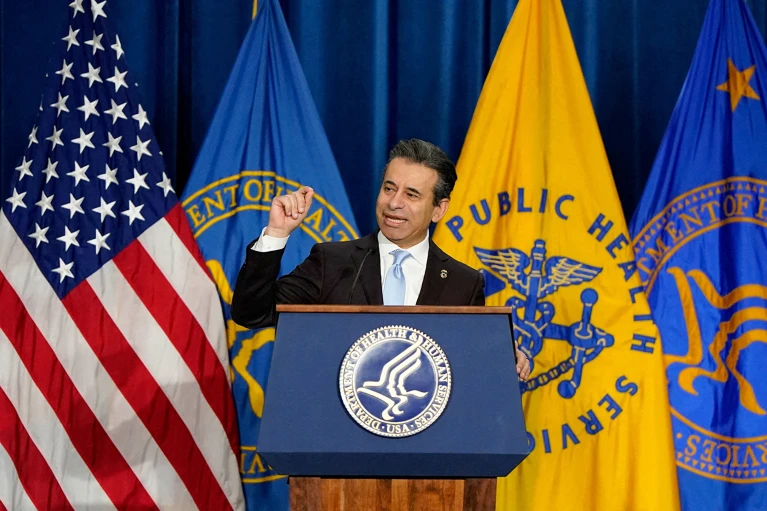
FDA commissioner Marty Makary announced a new pathway for the approval of trials for personalized gene-editing therapies in February.Credit: Elizabeth Frantz/Reuters
The FDA should initially prioritize review and approval for severe conditions in which the benefit clearly outweighs the risks. For instance, mutations in any one of more than 50 genes can cause severe paediatric immune diseases6, from which children can die within three to six months of birth. An experimental trial makes sense for these children, who have limited treatment options. Clustering them into one trial and measuring the health of their immune systems six months after treatment would provide clear evidence of whether the therapy has worked. Because the natural course of these diseases is devastating and well understood, evidence from treating as few as five individuals could be enough for the FDA to approve a prescribable CRISPR-on-demand medicine.
Gather data
The FDA needs to collect as much data as possible, as fast as possible, from these early trials to inform ongoing approval decisions. It must therefore enable and enforce data sharing by companies. Currently, genetic medicines developed by different teams must, by law, move through regulatory review in secret and be separated by firewalls. This is justified in cases in which large companies compete with each other — but not to treat people who have unique mutations.
CRISPR-on-demand is already leading the way in this regard. In a federally funded US effort, academic investigators are publishing papers that describe their work developing CRISPR medicines and sharing the extensive documentation, which is typically confidential, with the FDA. This must become the norm.
Super-precise CRISPR tool enters US clinical trials for the first time
Shared knowledge would allow the FDA to further shape guidance. How much of a change between two gene editors used in the same clinical trial is acceptable, for instance? What requirements should be met by manufacturers of CRISPR components? How much information about a child’s disease history is sufficient to enrol them in a CRISPR-on-demand trial, and how do clinicians deal with the fact that the same genetic disease can have varying symptoms in different children?
These questions can be answered only by examining trial data. These can help to show, for example, how the manufacturing process for a gene editor might alter its efficacy and safety profile, or whether the benefit of a treatment varies depending on the severity of a child’s disease.
Think beyond trials
Simply approving drugs is not enough to ensure that they make it to patients.
Targeted federal investment is needed to ensure that the raw materials for drug components are readily available in the United States. Many of the raw materials used in CRISPR therapies are currently provided by a handful of specialist suppliers — most of which are based outside the United States. A therapy that must be manufactured within just a few weeks of diagnosis cannot depend on a globally fragmented supply chain.

