



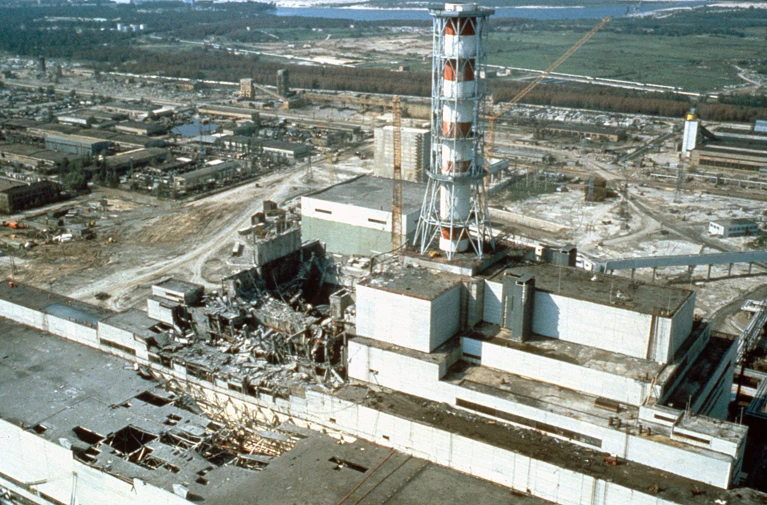
Damage at reactor 4 of the Chernobyl Nuclear Power Plant in Ukraine, a few weeks after the 1986 accident.Credit: Igor Kostin/Laski Diffusion/Getty
Reflecting on the disaster that struck Chernobyl on 26 April 1986, former Soviet president Mikhail Gorbachev lamented that the “victims of the tragedy were confronted by a crisis which they could scarcely understand and against which they had no defence”. Such is the nature of low-probability, high-impact events. Policymakers often struggle to commit the time, energy and resources needed to adequately prepare for them.
Nuclear-weapons risks are back — and we need to act like it
A test of reactor 4 at the Chernobyl Nuclear Power Plant in Ukraine went awry, setting one such event into motion. A cascade of calamities led to the worst nuclear meltdown in history. I still remember the spotty accounts of the disaster on the nightly news, and my mother on tenterhooks, frantically calling our family in Finland as the world watched a radioactive cloud creep northward. The nuclear-power nightmare that so many feared had manifested.
The literal and figurative fall-out from Chernobyl was unprecedented. Thousands of people were displaced, many developed cancers, and farmland and water sources were contaminated far beyond Ukraine’s borders. Areas around the plant remain uninhabitable to this day.
Almost 25 years after Chernobyl, another low-probability, high-impact nuclear catastrophe unfolded at the Fukushima Daiichi Power Plant in Japan, when an earthquake-induced tsunami led to the destruction of all the reactors on site. Beyond the horrific human costs and the environmental damage, which is ongoing, estimates of the total clean-up costs are nearing a trillion dollars.
Scientists must step up to avert a nuclear breakout
The two incidents soured the public perception of nuclear power. But time goes on, memories fade and technologies advance. With rising energy demands, exacerbated by the development of artificial-intelligence tools by tech companies in Silicon Valley and elsewhere and supply disruptions amid conflicts in the Middle East, the world is at the dawn of a much-vaunted nuclear-energy renaissance.
Many think that civil nuclear technology is key to helping humanity manage and mitigate the effects of climate change — at least until the costs of renewable energy technologies come down and their efficiencies improve. Still, as the world hurries to build a new generation of nuclear reactors, the Chernobyl disaster casts a long shadow, and rightly so.
To avoid future calamities, the public must pressure policymakers to maintain rigorous standards required for building, operating and maintaining nuclear facilities worldwide.

How to avoid nuclear war in an era of AI and misinformation

