


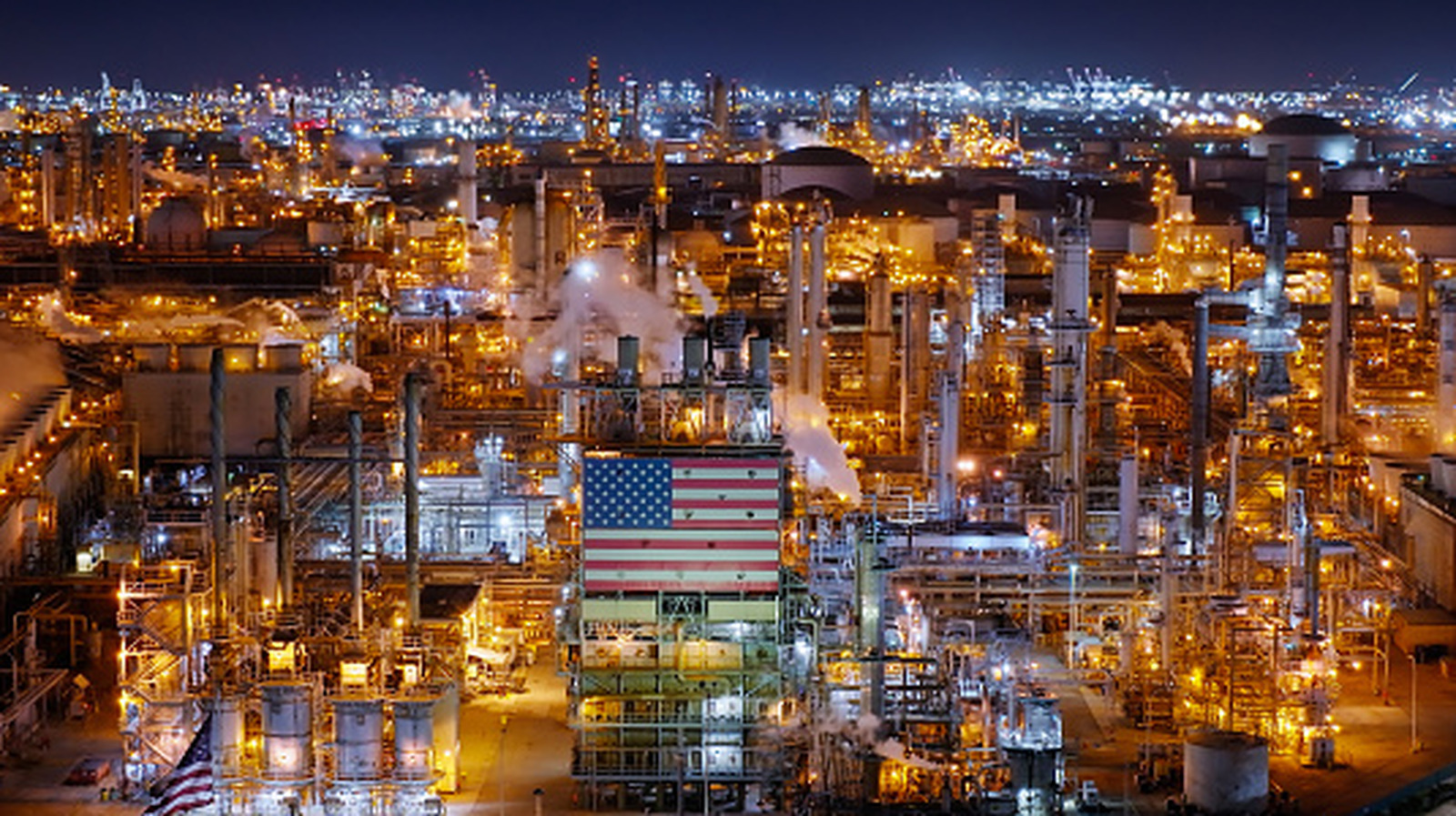
The steady flow of gasoline that U.S. drivers have experienced for several decades may soon slow to a trickle as war continues to rage in the Middle East. Experts have started dropping hints that American gasoline stations will see reductions in supply, potentially easing into a fuel shortage crisis this fall. Do you have a plan for when the gasoline stops flowing? What are your options when the day comes that you can’t fill up your tank?
Since the U.S. and Israel started war in Iran in February, the global supply of petrochemicals has been under a state of shock. Those in the field are increasingly concerned that our current supply-demand imbalance in the production of gasoline will soon come to a head. Firstly, because most global refiners have shifted to diesel and jet fuel production, largely in reply to demand from agents of war, lowering overall output of motor fuel. Secondly, because the U.S. gasoline stockpiles are down significantly from the beginning of the year.
The U.S. Strategic Petroleum Reserve is under strain right now, as this week it was drained to its lowest level since 1983. The U.S. has withdrawn over 350 million barrels of crude oil over the last four years in an effort to stave off supply disruptions triggered by the Iran war and Russian’s Ukraine invasion. The Department of Energy told auditors earlier this year that the reserve is down to a loose web of pipelines, caverns, and storage tanks, “held together with ‘Band-Aids.” That audit discovered that around a quarter of the SPR will be impossible to extract. With the SPR now well around 42% of its 714 million barrel max capacity, there’s not much left before we hit that wall.
When the well runs dry
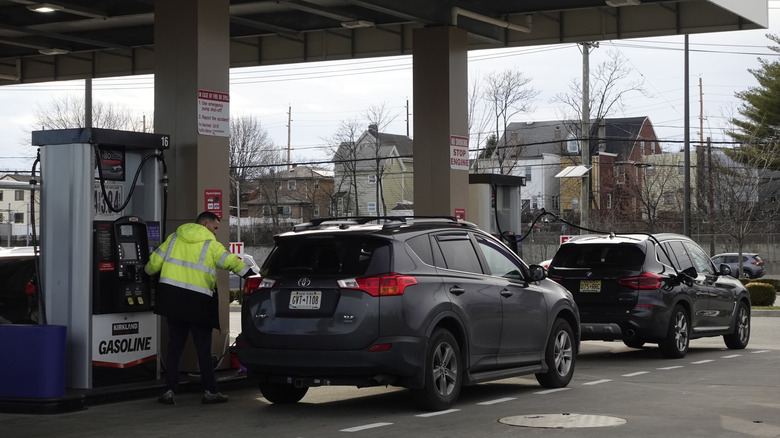
With demand, and pricing, of diesel and jet fuels still soaring, there’s no reason for oil companies to switch to less profitable gasoline fuel sales, and to do so would go against shareholder value. Further drawdowns of the strategic reserve, further expansions of wartime efforts in Iran, and the current reduced profit motive for oil companies to refine and distribute gasoline mean things will definitely get worse before they get better. Analysts told Reuters that U.S. motorists should prepare for more pain at the pump, as the price of gasoline has to go up significantly (increasing profit motive) for oil companies to revert to gasoline production.
So the question arises, will you do anything between now and a potentially gasoline-limited future? When the gasoline you can find is much higher priced than it is today, will you still be buying it? Is there anything you can do in the meantime to reduce your demand on oil, or changes to your lifestyle? Maybe your boss will cut you some slack and allow you to work from home again, like it’s 2020 all over again. Sound off in the comments below and we’ll discuss it. On Monday I’ll pick a few of my favorites to recap for everyone else.
For the time being, it seems like I’m relatively insulated from this issue as one of my vehicles runs on diesel fuel, and another runs on electrons coming out of the wall. While my fuel costs may increase alongside the gasoline burners, I don’t expect to run into any shortages myself. I already don’t do much driving, limiting my travel to as few days in the week as I can get away with. Thankfully I live in a walkable neighborhood, and have options to get across town on the train. I’ve built my life in a way that doesn’t entirely rely on driving, making supply-side shocks like this less detrimental to my driving. I will definitely notice it in my wallet, though, and the strategic reserves in my bank account are already dwindling.

