


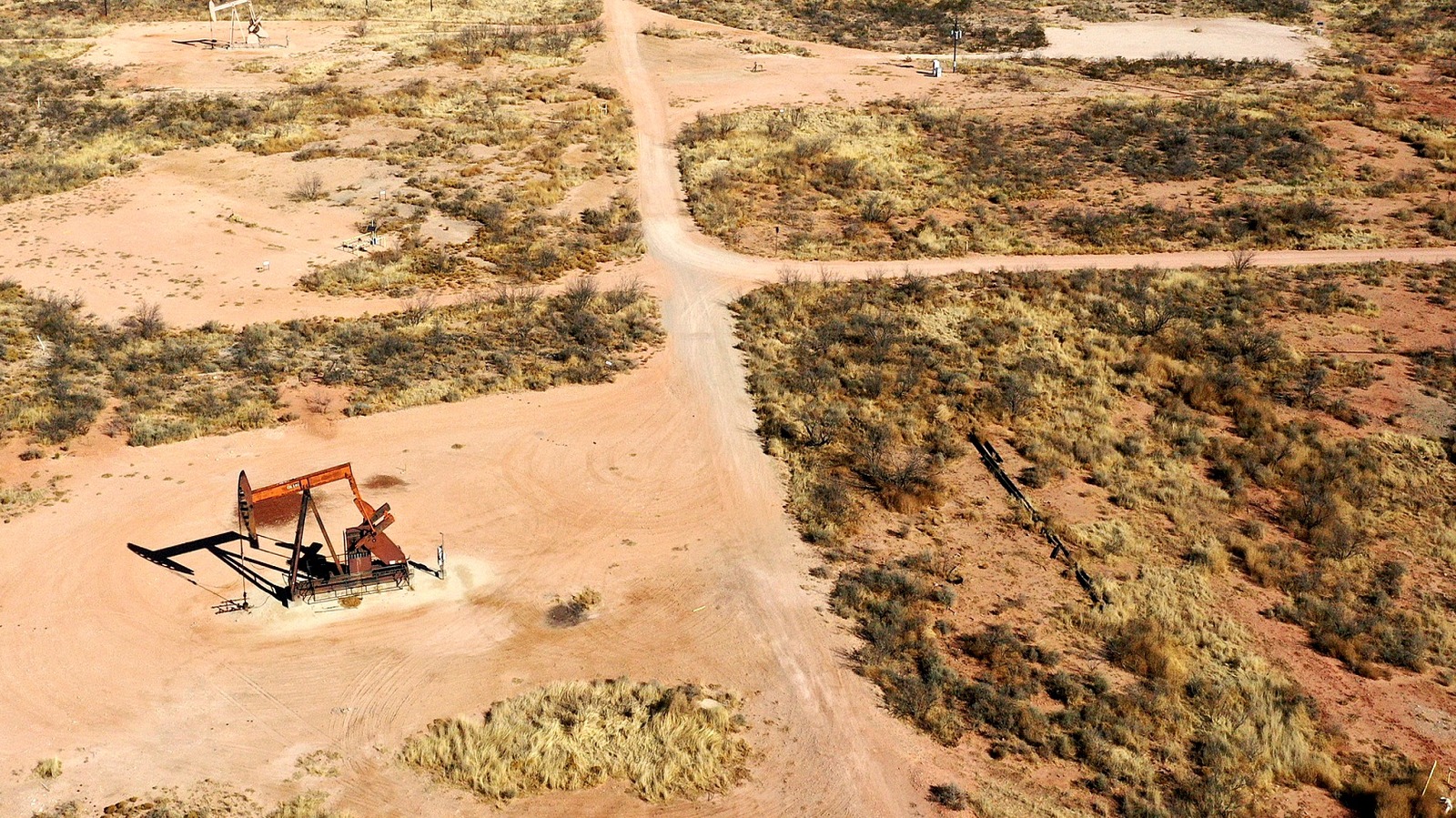
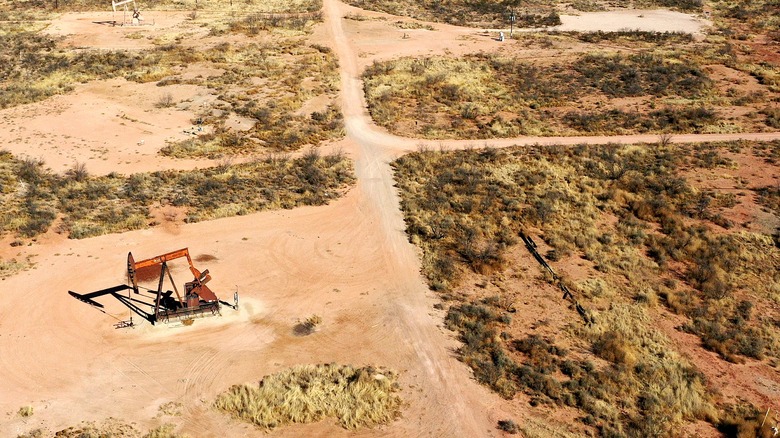
Americans quietly cried in their cars this week after fill-up as gas prices reached what were once unfathomable levels, thanks in massive part to the nation’s leaders playing games with Iran and the Strait of Hormuz. At least, apparently, we have plenty of oil on hand. Yet there’s a percentage of the US’s production crude oil, estimated at potential millions of barrels, are said to be stolen in broad daylight. It seems to be that in just a small western corner of Texas, the Permian Basin — barrels of crude oil are disappearing, and costing these Texas tycoons collectively upwards of $1 billion a year, potentially more.
According to a recent article in Bloomberg Businessweek, the Martin County Sheriff’s office receives at at least a call a week with someone saying their oil field has been robbed. Martin County, for reference sake, is approximately 170 miles north of the Mexican border, near the center of the Permian Basin. Weekly, the county says it loses about 500 barrels worth of oil. With a little math just using this week’s approximate $110 round-number barrel price, that comes out to about $50,000 worth of oil. Even if one individual didn’t steal all 500 barrels, that’s not a bad paycheck for a little “Ocean’s Eleven”-type adventure. And in the remote, unmanned fields of the Permian Basin, plotting, planning, and running off with oil is well, super easy, which is probably why people continue to do it.
How to steal crude oil from an oil field
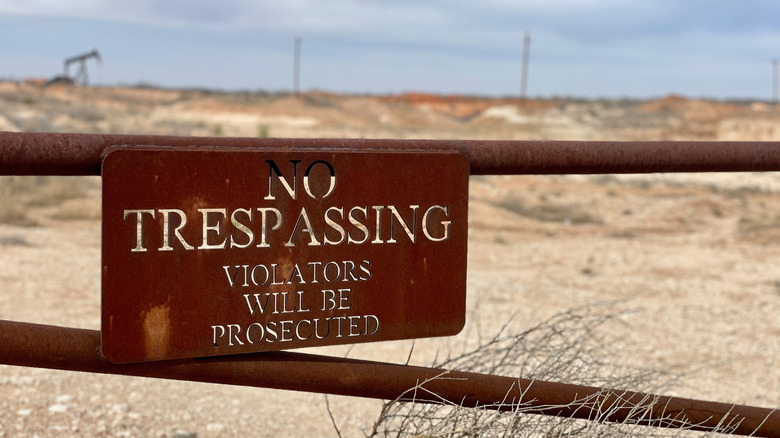
The Permian Basin’s remote location has been a boon to thieves purely because no one’s around. That means anyone can get to the supply and steal it along with copper wiring, tools, and even equipment relatively easy without a human seeing them coming or going. Mission accomplished.
Some thieves have gotten a bit more brazen in their antics though. They purchase or rent vacuum trucks they’ll then put in the same lines as regular supply trucks during the busiest times of the day to achieve a crude oil payout. To avoid suspicion and law enforcement, they just switch the license plates. In some instances, thieves have posed as general maintenance workers and contractors, like waste haulers, who then gain access to the storage tanks to remove toxic water, take the oil and go. It looks entirely like an official operation and the theft goes undetected, at least in the time that they are there.
Once the crude is acquired, ”racket’ product (racket is a slang term for illegally obtained oil) can be sold to saltwater disposal facilities that sell crude oil recovered from wastewater to local supply chains, or they can buy a defunct or dried up oil field lease to legally claim they pumped the product from it instead. If all else fails, they can run the product over the border and sell it in Mexico where sometimes product gets to routed to the cartel.
Texas believes there’s an oil theft problem, but also isn’t sure
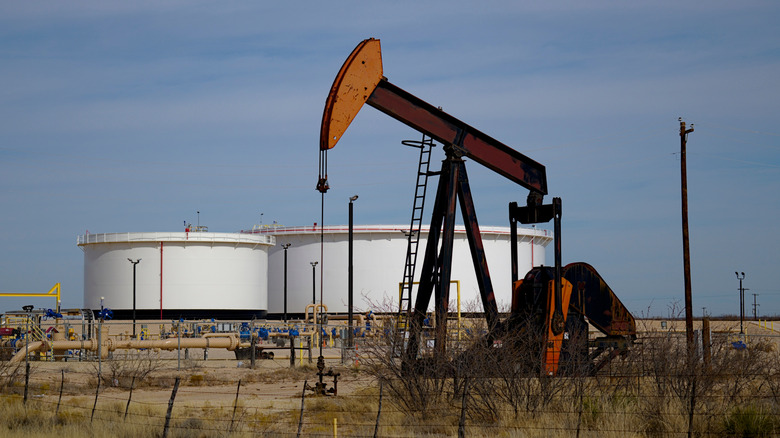
Enough oil has been reported to have disappeared from the region over the years that in 2008, an actual FBI task force was created to keep an eye on things. In more recent years, that task force refocused efforts on crude theft entirely. According to the FBI’s data, crude theft had actually gone down in 2025, which they theorized might be due to lower barrel prices. But the task force admits the data utilized self-reporting as a source for the thefts, and accuracy is dependent on the reliability of those informants.
Texas itself has also attempted to legislate its way towards a solution, understandably as that’s a lot of money coming out of the state’s profit pockets. Last summer it enacted laws to better understand and deter theft, which included the creation of its own task force. The Railroad Commission of Texas (which regulates the energy sector and yes the name is super misleading), will head its own study on oil thefts with results expected in December. That report should shed light on just how much money these thieves are really costing the region, and help the state decide if the oil loss really is a problem. Because it is a problem. But they’re just, you know, making sure.

