


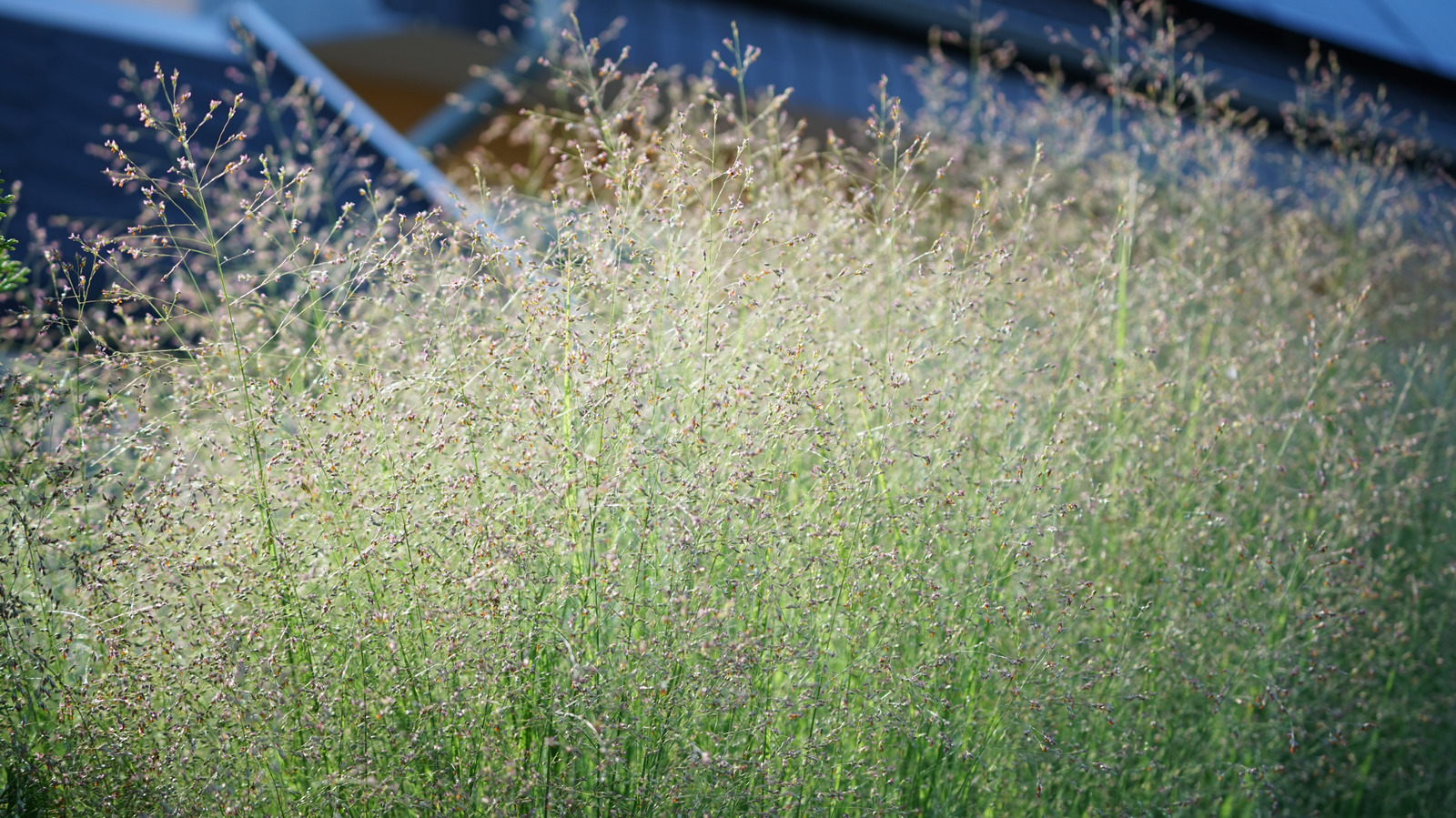
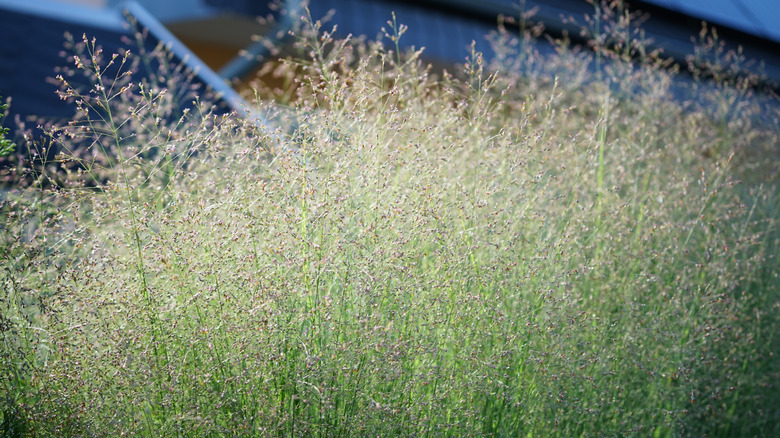
In an era where nobody seems to care about the environment anymore, it’s refreshing to see a project that intends to reduce microplastics, create jobs, fund higher education, and help the automotive industry, all at the same time. Knox News reports that the University of Tennessee at Knoxville is one of 12 winners of the National Science Foundation’s Regional Innovation Engines competition. That means UT, along with its corporate partners, will receive up to $160 million over the next ten years to develop and produce bioplastics made from grass to be grown throughout the Southeast U.S. UT lists the Volkswagen Group of America among its partners, meaning that some of this will apply directly to the automotive industry.
Bioplastics are nothing new. Ford first experimented with them in the 1930s, according to BioPoly Lab, and more recently looked into using agave fibers discarded after tequila production. Toyota is the current bioplastics leader in the automotive industry, using them for at least 20% of all plastics and up to 60% of interior textiles. Rats love chewing your car’s wiring so much because the insulation is now often made of soy rather than plastic.
Building bridges across industries
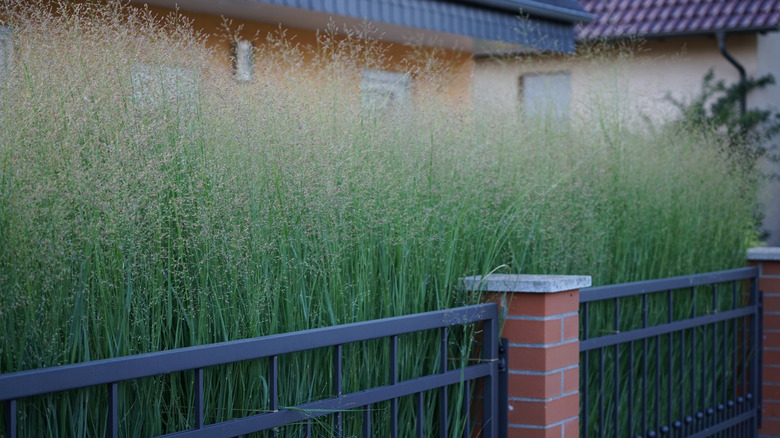
The project is known as the BRIDGES Engine, an acronym for “Biobased Rural Innovation for Domestic Growth and Economic Security,” according to its website. The idea is to have underutilized farmers across the southeast, mainly in Tennessee and Alabama, grow specific grasses useful for making bioplastics, like miscanthus and switchgrass. South Dakota State University has already made bioplastic films for farming from switchgrass, according to the ReSoil Foundation. While these remained within the farming industry, the BRIDGES Engine intends to pursue wider applications, from automotive to construction and packing materials.
The project stands to make a great deal of money if its efforts are successful. In addition to the NSF grant, the Tennessee Department of Economic and Community Development has added a $10 million grant from the Federal Innovation Grant Matching Fund. It’s also earning some funding from a five-year, $20 million investment from UT and the Oak Ridge National Laboratory. If all goes according to plan, new research and development, as well as production facilities, are expected to bring over $2 billion in investment to the region, plus more than 10,000 jobs.
Rather than paying farmers not to grow, or to grow corn for ethanol instead of food, this could enable southeastern farmers to make an honest living and earn tens of millions of dollars in the process. The bioplastics produced would be better for the environment, and there would be no random illegal tariffs because they’re made in the USA. We have yet to see if everything will go according to plan, but if it does, there could be a lot of winners and few losers, if any.

