


It’s been 23 years since Concorde darted passengers across the Atlantic Ocean in record time, but we could be close to a decades-long ban on overland supersonic flights being scrapped. The Federal Aviation Administration is working to establish new acceptable noise thresholds for supersonic flight by mid-2027. To collect data to set these standards, NASA will conduct test flights to survey the population’s reaction to the noise.
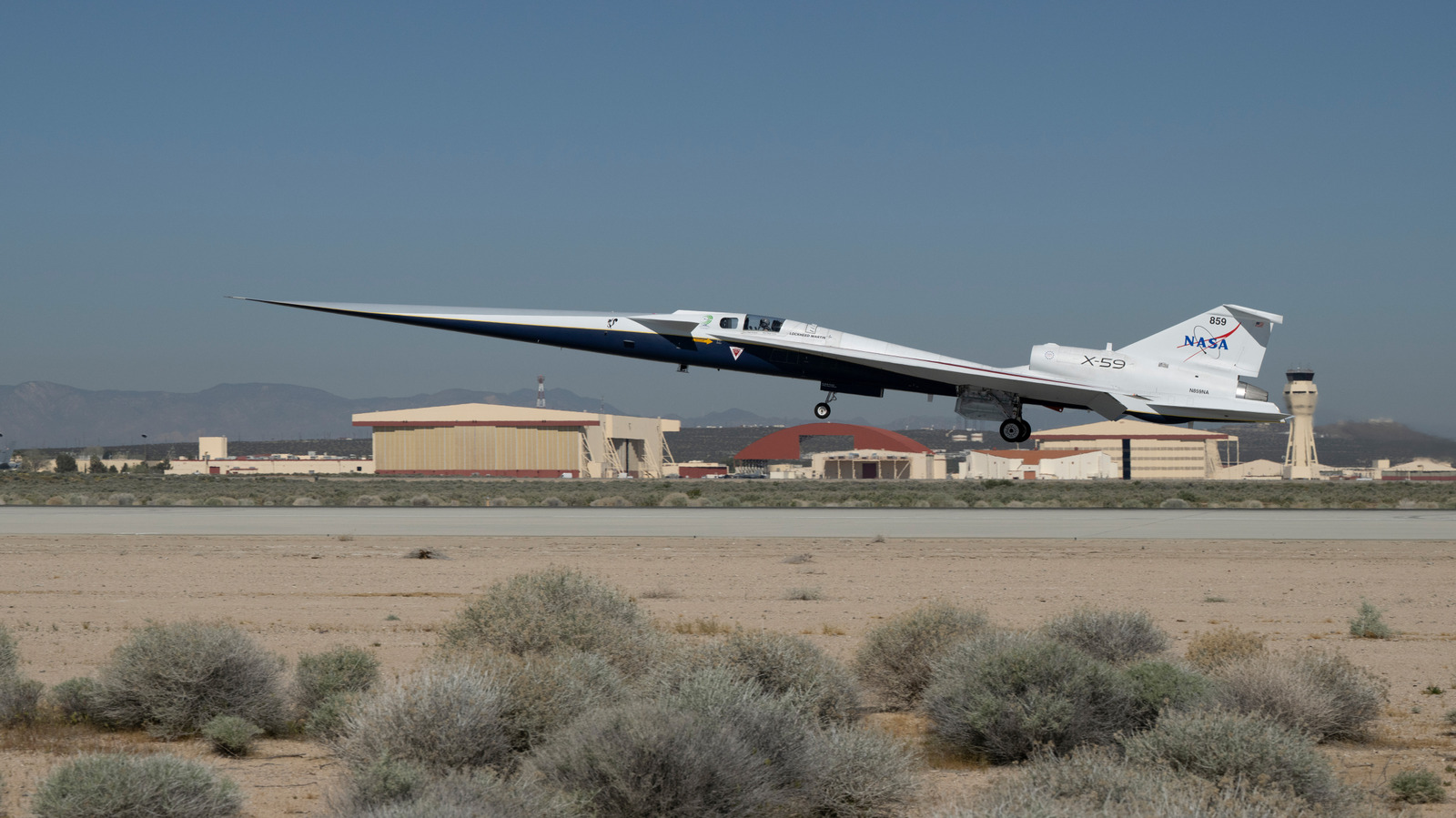
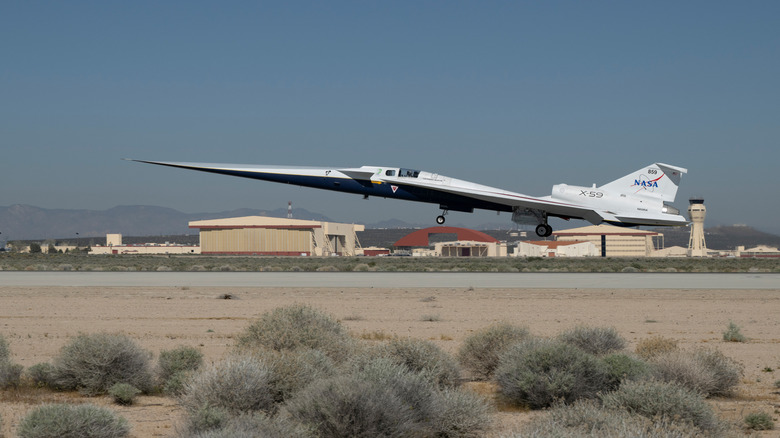
The sonic booms that heavily restrained supersonic air travel could be a thing of the past. Boom Supersonic hopes to capitalize on a concept it calls “Boomless Cruise.” The startup successfully used the Mach cutoff phenomenon on its XB-1 demonstrator, causing sound waves to refract off the atmosphere rather than reach the ground. With a similar goal in mind, NASA took its X-59 test plane supersonic for the first time in June to produce sonic “thumps” instead of booms. On the future of supersonic flight, Transportation Secretary Sean Duffy said in an FAA release:
“The Trump Administration is continuing its unprecedented work to deliver exciting new travel options to the American flying public — and we’re ensuring people on the ground won’t be subject to excessive noise.”
There’s a lot of money behind this supersonic revival
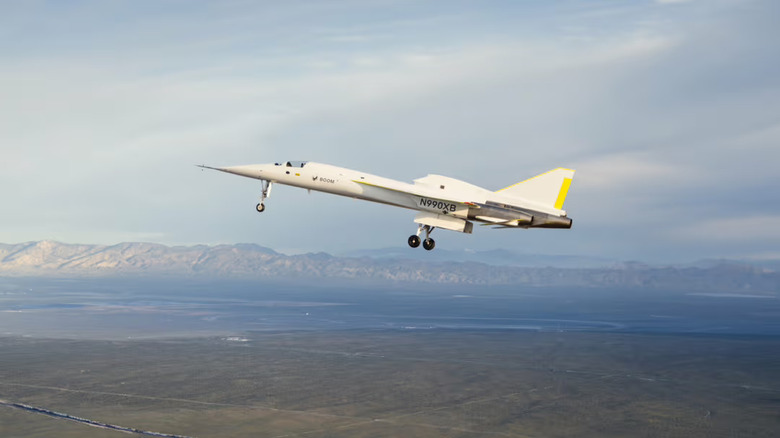
The Trump administration claims it wants to lift restrictions to stimulate the economy. In fairness, Boom Supersonic already has 35 orders for its debut airliner, the Overture, from American Airlines and United Airlines. With the new plane carrying a sticker price of $200 million, there’s a lot of money on the line for investors. The airlines view supersonic flights as the ultimate halo product to outshine the competition. Also, Boom founder and CEO Blake Scholl coincidentally met with the President in the Oval Office last year.
Financial upside aside, the larger concern should be the impact on the general population. NASA will hopefully use caution when conducting its test flight over populated areas. It was a completely different story when the federal government tested how Oklahoma City’s residents reacted to sonic booms in 1964. U.S. Air Force jets bombarded the city with 1,253 sonic booms over six months. The massive backlash eventually led to the FAA’s 1973 ban on overland supersonic flights. If this ban is overturned, it should be due to advances in technology, not moneyed interests.

