


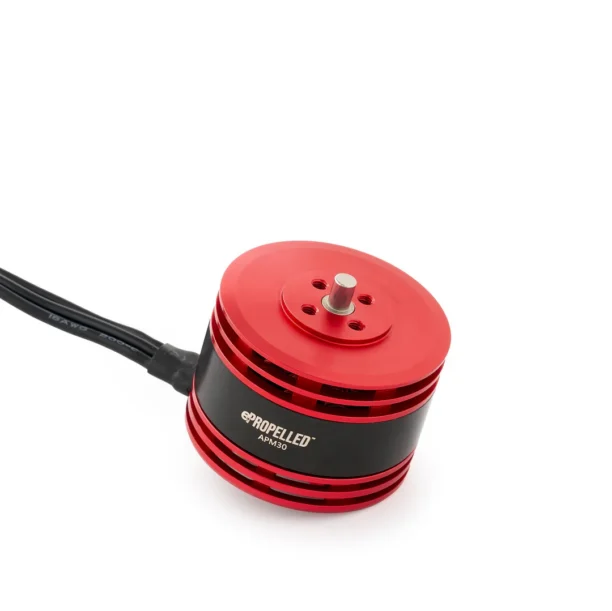
Bipartisan legislation aims to reduce dependence on China for a critical component inside drone motors
A new bipartisan bill introduced in Congress aims to strengthen America’s domestic magnet supply chain, drawing attention to an often-overlooked challenge for the drone industry: the permanent magnets that power electric motors.
Chairman John Moolenaar (R-MI) and Ranking Member Ro Khanna (D-CA) have introduced the Magnets Value Chain Support Act of 2026, legislation designed to encourage U.S. production of rare earth permanent magnets and the materials needed to manufacture them. The bill would establish a series of tax credits supporting domestic production from rare earth oxide processing through magnet manufacturing and downstream use in products such as electric motors.
While the legislation applies to a broad range of industries, including electric vehicles, robotics, and defense systems, it has particular relevance for the drone sector.
Looking Beyond Batteries
Discussions about drone supply chain security often focus on batteries, communications equipment, and flight control systems. The proposed legislation highlights another critical dependency: the magnets used inside electric motors and actuators.
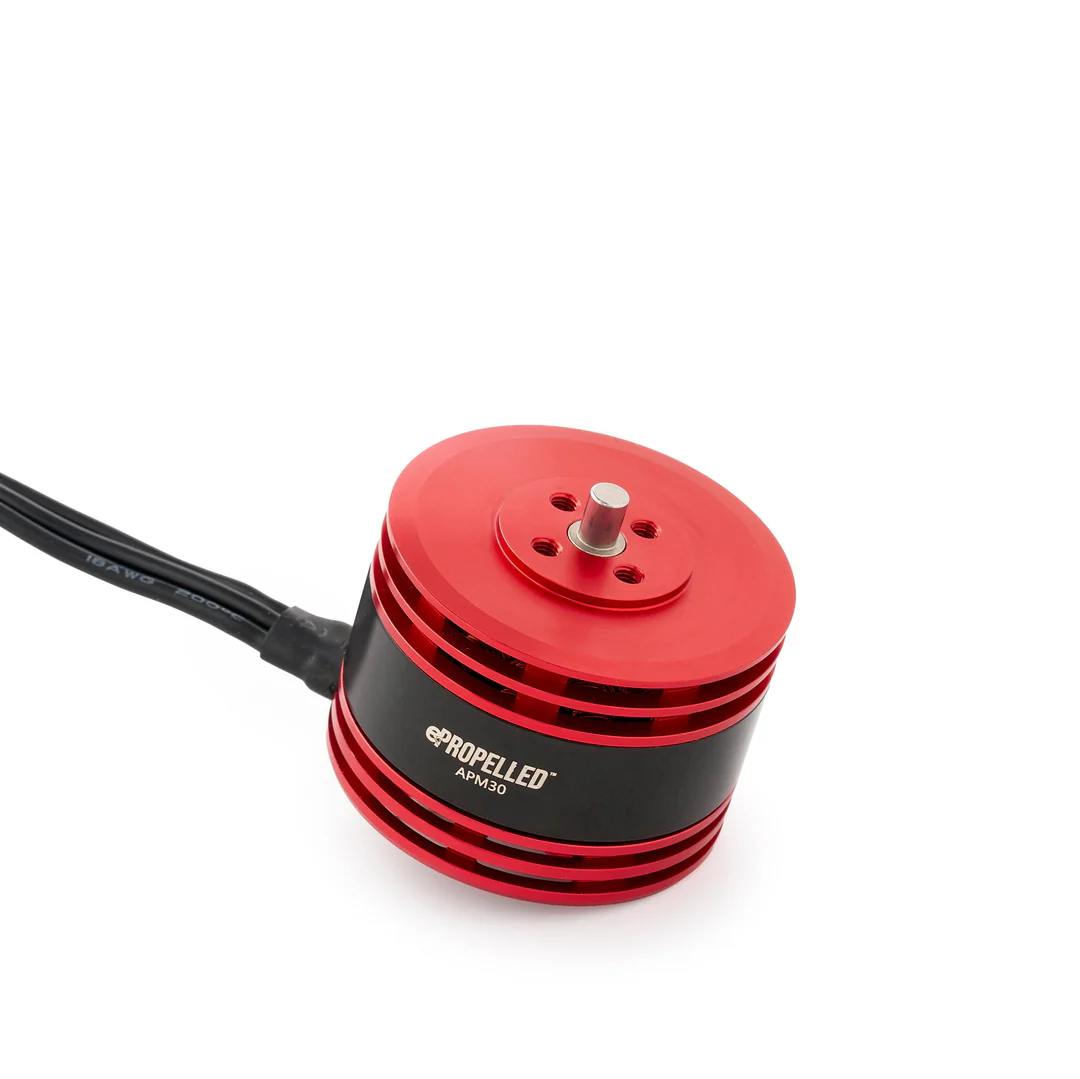
Permanent magnets are essential components in the brushless electric motors that power most commercial and military drones. They are also used in gimbals, servos, generators, and other systems found throughout modern aircraft.
According to the Select Committee on China, China currently produces more than 90 percent of the world’s rare earth permanent magnets. The committee argues that this concentration creates a strategic vulnerability for industries that rely on electric propulsion and precision motion control technologies.
The issue gained additional attention in 2025 when China restricted exports of certain heavy rare earth materials used in high-performance magnets, underscoring the degree to which manufacturers remain dependent on overseas supply chains.
Incentives Rather Than Mandates
The proposed legislation does not require manufacturers to purchase U.S.-made magnets. Instead, it attempts to make domestic production more competitive.
The bill would provide production tax credits for companies involved in rare earth processing and magnet manufacturing. It would also create a separate credit for motor manufacturers that purchase qualifying U.S.-produced magnets.
Supporters say the approach is intended to encourage investment throughout the supply chain while reducing reliance on foreign suppliers. The legislation would also prohibit credits for material linked to designated prohibited foreign entities.
A Growing Domestic Ecosystem
While the United States remains far behind China in magnet production capacity, several companies are working to establish domestic sources of permanent magnets and related materials.
Among them are MP Materials, eVAC Magnetics, USA Rare Earth, Noveon Magnetics, Niron Magnetics, and Vulcan Elements. Several of these firms are building or expanding facilities intended to support U.S. defense and advanced manufacturing markets.
For drone manufacturers, the effort represents another step in a broader shift toward secure and traceable supply chains. Recent policy initiatives have focused on communications equipment, software, airframes, and batteries. The new legislation suggests policymakers are now looking deeper into the aircraft itself.
As federal programs continue to promote domestic drone production and secure sourcing, the origin of the magnets inside a drone’s motors may become almost as important as the source of its batteries or electronics.
For the drone industry, the message is clear: supply chain security is no longer limited to what powers the aircraft. It increasingly includes the materials that make it move.
Read more:

Miriam McNabb is the Editor-in-Chief of DRONELIFE and CEO of JobForDrones, a professional drone services marketplace, and a fascinated observer of the emerging drone industry and the regulatory environment for drones. Miriam has penned over 3,000 articles focused on the commercial drone space and is an international speaker and recognized figure in the industry. Miriam has a degree from the University of Chicago and over 20 years of experience in high tech sales and marketing for new technologies.
For drone industry consulting or writing, Email Miriam.
TWITTER:@spaldingbarker
Subscribe to DroneLife here.

