


New assessment partnership could help allied manufacturers access the U.S. market while supporting trusted supply chain goals
As the United States works to reduce dependence on Chinese drone manufacturers, a new partnership between Taiwan and AUVSI’s Green UAS program may offer a model for how trusted foreign suppliers could help address near-term gaps in drone production.
Earlier this month, Taiwan’s Industrial Technology Research Institute (ITRI) became the first overseas organization authorized to conduct Green UAS assessments. The agreement, announced by AUVSI, allows drone manufacturers in Taiwan to pursue Green UAS certification through an approved local evaluation process while maintaining compliance with U.S. cybersecurity and supply chain requirements.
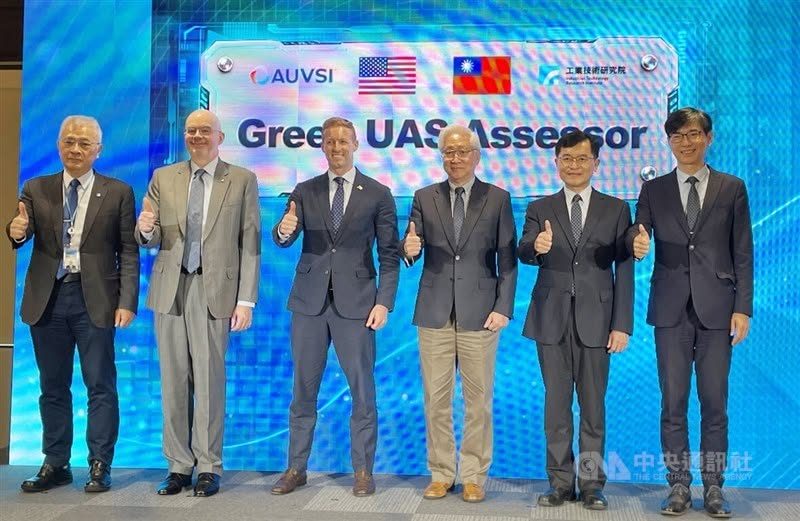
The development marks another step in the growing effort to build trusted drone supply chains among allied nations.
“Trust is now the currency of the autonomy economy,” wrote AUVSI President and CEO Michael Robbins in a recent article discussing Taiwan’s role in the future of autonomous systems.
Green UAS was initially developed as a cybersecurity verification program for commercial drones. Over time, however, it has become increasingly important as governments and enterprise customers seek alternatives to products facing national security scrutiny.
Speaking at XPONENTIAL 2026, Robbins described Green UAS as “a pathway to Blue UAS and today an exemption from the FCC Covered List,” reflecting AUVSI’s view that the program can help manufacturers demonstrate trusted supply chain and cybersecurity credentials for U.S. government and public safety customers.
Beyond Domestic Manufacturing
The announcement comes as federal policymakers continue to emphasize domestic drone manufacturing through initiatives such as Drone Dominance and other efforts designed to strengthen U.S. industrial capacity.
While those initiatives focus on expanding American production, industry leaders have also acknowledged that building sufficient manufacturing capacity will take time.
Taiwan has emerged as a significant partner in that effort. In his article, Robbins described Taiwan as offering a trusted supply chain alternative with “speed, scale, resilience and strong leadership.”
The Green UAS partnership does not create a shortcut around U.S. security requirements. Instead, it provides a framework through which manufacturers in allied nations can demonstrate compliance with cybersecurity, component sourcing, and supply chain standards that are increasingly important to U.S. buyers.
For drone manufacturers based outside the United States, that distinction could become increasingly significant.
A Potential Model for Other Allies
The significance of the Taiwan agreement extends beyond a single country.
By establishing an overseas assessment capability, Green UAS creates a mechanism that could eventually be replicated in other allied nations with strong technology and manufacturing sectors.
For the drone industry, the development highlights a broader question facing policymakers: how to balance the goal of expanding domestic production with the need to ensure adequate supply, competition, and innovation in the near term.
Trusted foreign manufacturers may represent one answer.
As federal agencies, public safety organizations, and critical infrastructure operators continue to move away from drones associated with security concerns, demand for trusted alternatives is expected to increase.
The Taiwan partnership suggests that allied suppliers may play an important role in meeting that demand while the U.S. manufacturing base continues to grow.
Whether similar arrangements emerge in Europe, Japan, South Korea, or other allied markets remains to be seen. For now, Taiwan’s designation as the first overseas Green UAS assessment partner offers a glimpse of how trusted international supply chains could become part of the future U.S. drone ecosystem.
Read more:

Miriam McNabb is the Editor-in-Chief of DRONELIFE and CEO of JobForDrones, a professional drone services marketplace, and a fascinated observer of the emerging drone industry and the regulatory environment for drones. Miriam has penned over 3,000 articles focused on the commercial drone space and is an international speaker and recognized figure in the industry. Miriam has a degree from the University of Chicago and over 20 years of experience in high tech sales and marketing for new technologies.
For drone industry consulting or writing, Email Miriam.
TWITTER:@spaldingbarker
Subscribe to DroneLife here.

