


Incident highlights long-standing concerns about drone misuse and growing focus on counter-UAS preparedness
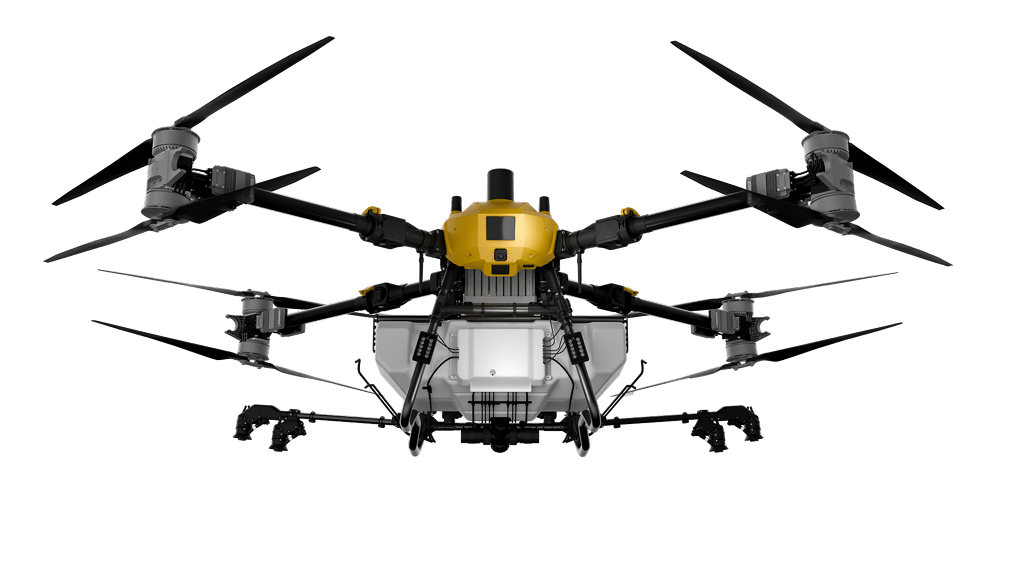
A reported theft of agricultural spraying drones in New Jersey is drawing attention from federal investigators and public safety officials. According to the New York Post, 15 drones designed for chemical spraying were stolen. The Federal Bureau of Investigation is investigating.
Details remain limited. However, the type of equipment and the number of units involved raise questions beyond a typical property crime.
Specialized Systems, Not Consumer Drones
The stolen aircraft are agricultural spraying drones used for precision application of fertilizers, pesticides, and other liquids. These systems are built to carry and disperse payloads across defined areas. They differ significantly from consumer drones. They are larger, more expensive, and purpose-built for industrial use. Moving 15 such units would require planning and resources.
Authorities have not confirmed how the drones were taken or where they may be.
Evidence of a Deliberate Theft
Public information suggests the incident was not random. The number of drones and their specialized function point to a targeted action. Transporting multiple agricultural drones is not simple, and that detail alone indicates coordination and familiarity with the equipment.
Investigators have not identified suspects or motives. The case remains open.
A Longstanding Public Safety Concern
Federal agencies, including the Federal Bureau of Investigation and the Department of Homeland Security, have long warned about the misuse of drones capable of dispersing substances.
These concerns extend beyond hazardous materials. Even non-harmful liquids could disrupt a crowd or trigger panic in a crowded space. The incident comes as agencies prepare for large-scale events such as the FIFA World Cup.
Security planning for these events includes airspace awareness and response to unauthorized drones. While there is no indication this theft is connected to any event, it reflects scenarios already considered in those plans.
Counter-UAS Policy and Capability Gaps
Counter-UAS capabilities continue to expand, but authority remains limited. Federal agencies hold most of the power to detect and mitigate drone threats, but only under strictly defined circumstances.
State and local agencies have called for broader access to these tools. Discussions continue around how to extend authority to SLTT law enforcement while maintaining safeguards. The Federal Bureau of Investigation has introduced training programs for SLTT partners focused on drone awareness, response coordination, and evidence handling.
At the same time, detection and tracking technologies are becoming more available. The challenge is aligning capability with policy.
Context for an Ongoing Conversation
The incident does not establish intent. It does, however, highlight why spraying drones have been part of public safety discussions for years. As counter-UAS policy evolves, real-world events like this provide context for ongoing decisions around authority, technology, and preparedness.
Read more:

Miriam McNabb is the Editor-in-Chief of DRONELIFE and CEO of JobForDrones, a professional drone services marketplace, and a fascinated observer of the emerging drone industry and the regulatory environment for drones. Miriam has penned over 3,000 articles focused on the commercial drone space and is an international speaker and recognized figure in the industry. Miriam has a degree from the University of Chicago and over 20 years of experience in high tech sales and marketing for new technologies.
For drone industry consulting or writing, Email Miriam.
TWITTER:@spaldingbarker
Subscribe to DroneLife here.

