


New training initiative focuses on advanced flight planning skills for surveying, mapping, and inspection work
The commercial drone industry continues to face a demand for skilled operators who can manage complex missions. A new partnership between SPH Engineering and Vets to Drones aims to help military veterans fill that need.
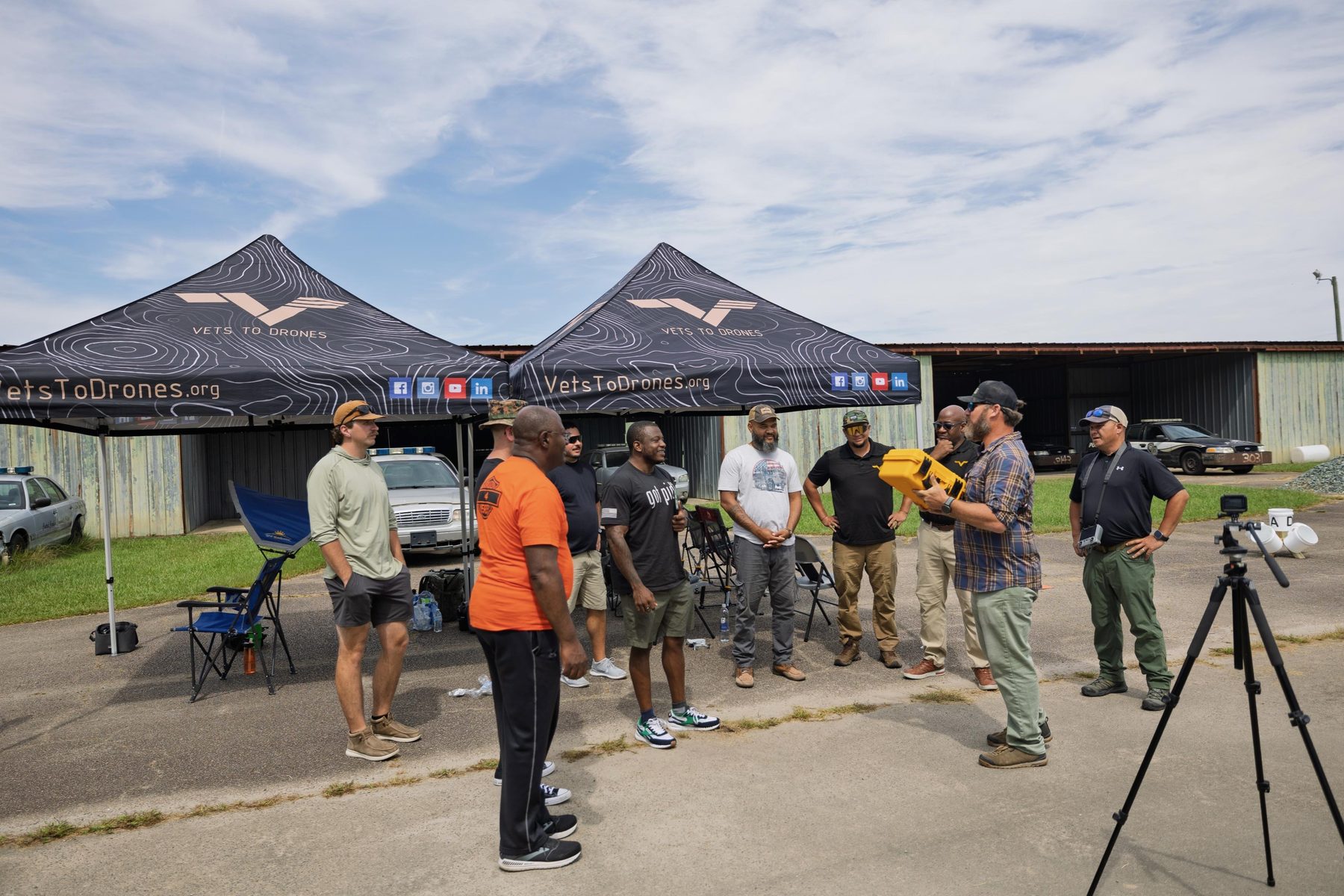
SPH Engineering announced a strategic partnership with Vets to Drones, a U.S. nonprofit organization that helps veterans transition into careers in the drone industry. Through the program, veterans will gain access to training on UgCS flight planning software, a platform widely used for professional surveying, mapping, and inspection operations.
The partnership focuses on developing skills beyond basic drone piloting. While many veterans already hold FAA drone certifications, commercial missions in sectors such as mining, energy, and infrastructure often require expertise in automated flight planning, data collection, and mission management.
Moving Beyond Entry-Level Drone Skills
As the commercial drone market matures, employers increasingly seek operators with specialized technical knowledge. Advanced surveying and inspection projects often rely on software tools that enable precise flight planning and automated data capture.
Under the new agreement, Vets to Drones members will receive access to UgCS Basics training. The course teaches users how to plan and execute professional drone missions using SPH Engineering’s software platform.
“A veteran with an FAA certificate knows how to fly safely, but a veteran who masters UgCS possesses the engineering capability to execute complex, high-value missions that most operators cannot,” said Alexey Smirnov, Chief Operating Officer at SPH Engineering. “We are honored to welcome these dedicated individuals into our global professional community. Equipping them with industry-standard flight planning technology and continuous mentorship goes beyond facilitating a transition to civilian life. It helps them build lucrative, long-term careers as elite solution architects in the field.”
Veterans who complete the certification program will also receive a 30% discount on core UgCS licenses. SPH Engineering says the discount is intended to reduce barriers for veterans interested in launching their own drone service businesses. Participants will also gain access to additional training resources through the company’s SPH Academy and webinar programs.
Addressing Industry Workforce Needs
The drone industry has long identified workforce development as a key challenge. While training programs often focus on helping new pilots earn FAA certification, employers frequently require additional skills related to mission planning, data collection, and specialized industry workflows.
Organizations such as Vets to Drones have worked to bridge that gap by connecting military experience with civilian drone careers. The nonprofit provides training resources, industry connections, and employment support for veterans entering the UAS sector. According to the organization, it serves thousands of members across the United States.
“Our mission is to ensure our Nation’s Veterans are completely ready to get hired and excel in using this technology,” said Chris Lewis, Chief Executive Officer of Vets to Drones. “Integrating SPH Engineering’s technical training into our curriculum means our members are fluent in the exact technologies that top-tier employers demand.”
The initiative reflects a broader trend within the drone industry toward specialized training programs tied to specific technologies and operational roles. As drone applications expand across infrastructure, energy, construction, and resource management, demand continues to grow for operators who can manage complex workflows rather than simply fly aircraft.
For veterans entering the field, the partnership offers a pathway into those higher-skill roles. For the industry, it represents another effort to build a workforce capable of supporting increasingly advanced commercial drone operations.
Read more:

Miriam McNabb is the Editor-in-Chief of DRONELIFE and CEO of JobForDrones, a professional drone services marketplace, and a fascinated observer of the emerging drone industry and the regulatory environment for drones. Miriam has penned over 3,000 articles focused on the commercial drone space and is an international speaker and recognized figure in the industry. Miriam has a degree from the University of Chicago and over 20 years of experience in high tech sales and marketing for new technologies.
For drone industry consulting or writing, Email Miriam.
TWITTER:@spaldingbarker
Subscribe to DroneLife here.

