


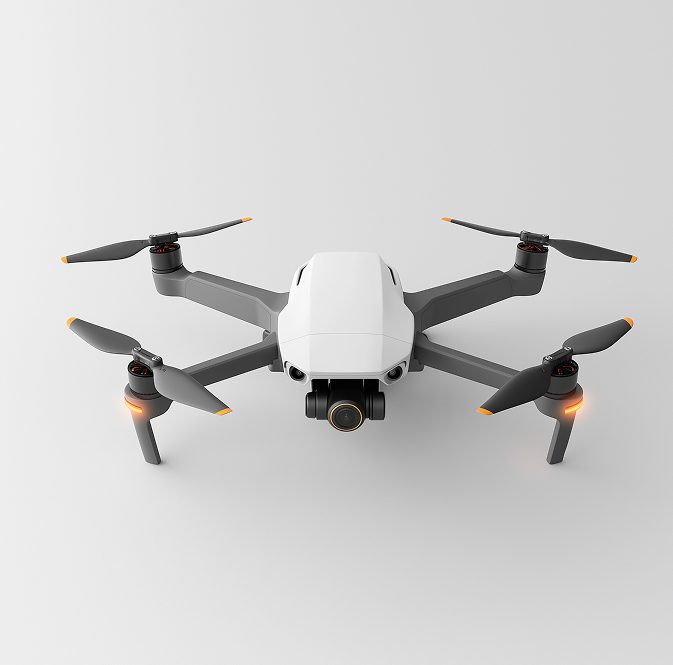
Funding will support larger-scale silicon anode manufacturing as demand grows across drones, defense, AI, and electric vehicles
Sila has raised $300 million in new private funding to expand production of its silicon-carbon battery anode technology in the United States. The investment will help the company increase manufacturing capacity at its Moses Lake, Washington, facility as it seeks to strengthen domestic supply chains for advanced battery materials.
The funding round was led by Atreides Management and Sutter Hill Ventures. Existing and new investors, including 8VC, Bessemer Venture Partners, Matrix Partners, and funds and accounts advised by T. Rowe Price Associates, Inc., also participated.
The company said the funding will support a planned Phase 2 expansion of its Moses Lake plant and accelerate production of its Titan Silicon® anode technology.
Batteries Become a Strategic Supply Chain Issue
Battery materials have become an increasingly important part of discussions about technology security and domestic manufacturing. While much attention has focused on battery cells, anodes are also a critical component of lithium-ion batteries.
China currently dominates global anode material processing and battery cell manufacturing. The company argues that this concentration creates supply chain risks for industries that rely on advanced batteries, including drones, defense systems, satellites, sensors, AI infrastructure, robotics, consumer electronics, and electric vehicles.
For the drone industry, battery performance remains a major factor in aircraft capability. Higher energy density can translate into longer flight times, greater payload capacity, or smaller battery packs for the same mission. Domestic production of key battery materials could also reduce dependence on overseas suppliers as governments continue to emphasize secure supply chains for critical technologies.
Silicon Anodes Offer Higher Energy Density
Sila developed a silicon-carbon anode designed to replace traditional graphite anodes used in lithium-ion batteries. The company says its Titan Silicon® technology delivers 20% to 40% higher energy density while supporting faster charging.
Those improvements could benefit several commercial drone applications, particularly long-range inspection, public safety, defense, and autonomous operations where flight endurance is a limiting factor.
The company combines its proprietary battery technology with manufacturing in the United States. Sila says this approach supports both performance improvements and greater supply chain resilience.
“This funding allows us to further scale our operations and deliver on the promise of American innovation, strengthen the foundation of our domestic manufacturing capabilities and ensure that critical industries have a secure and reliable supply of advanced batteries,” said Gene Berdichevsky, Sila Co-Founder and CEO.
Moses Lake Plant Targets Gigascale Production
Sila completed construction of its Moses Lake manufacturing facility and began operations in the fall of 2025. The 160-acre site currently operates with an initial Phase 1 capacity of 2 GWh.
The company plans to expand the facility over the next five years to as much as 250 GWh of annual capacity. If completed as planned, Sila says the site would become the world’s largest anode production facility.
The expansion is also expected to create hundreds of manufacturing jobs in Washington State as production increases.
Investors say the company’s progress reflects its ability to move advanced battery technology from research into large-scale manufacturing.
“Sila’s transition from a groundbreaking material science inventor to a gigascale manufacturing company is a masterclass in American operational discipline,” commented Vic Miller, Sutter Hill Ventures. “We have watched them translate laboratory breakthroughs into reality, proving that the leap from the lab to the factory floor is not only essential, but achievable in the United States with the right technology and team.”
For the drone industry, the announcement highlights another investment in the domestic battery supply chain. As U.S. policy continues to encourage secure sourcing for critical technologies, manufacturers are placing greater emphasis on producing key battery materials within the United States rather than relying on overseas supply chains.
Read more:

Miriam McNabb is the Editor-in-Chief of DRONELIFE and CEO of JobForDrones, a professional drone services marketplace, and a fascinated observer of the emerging drone industry and the regulatory environment for drones. Miriam has penned over 3,000 articles focused on the commercial drone space and is an international speaker and recognized figure in the industry. Miriam has a degree from the University of Chicago and over 20 years of experience in high tech sales and marketing for new technologies.
For drone industry consulting or writing, Email Miriam.
TWITTER:@spaldingbarker
Subscribe to DroneLife here.

