


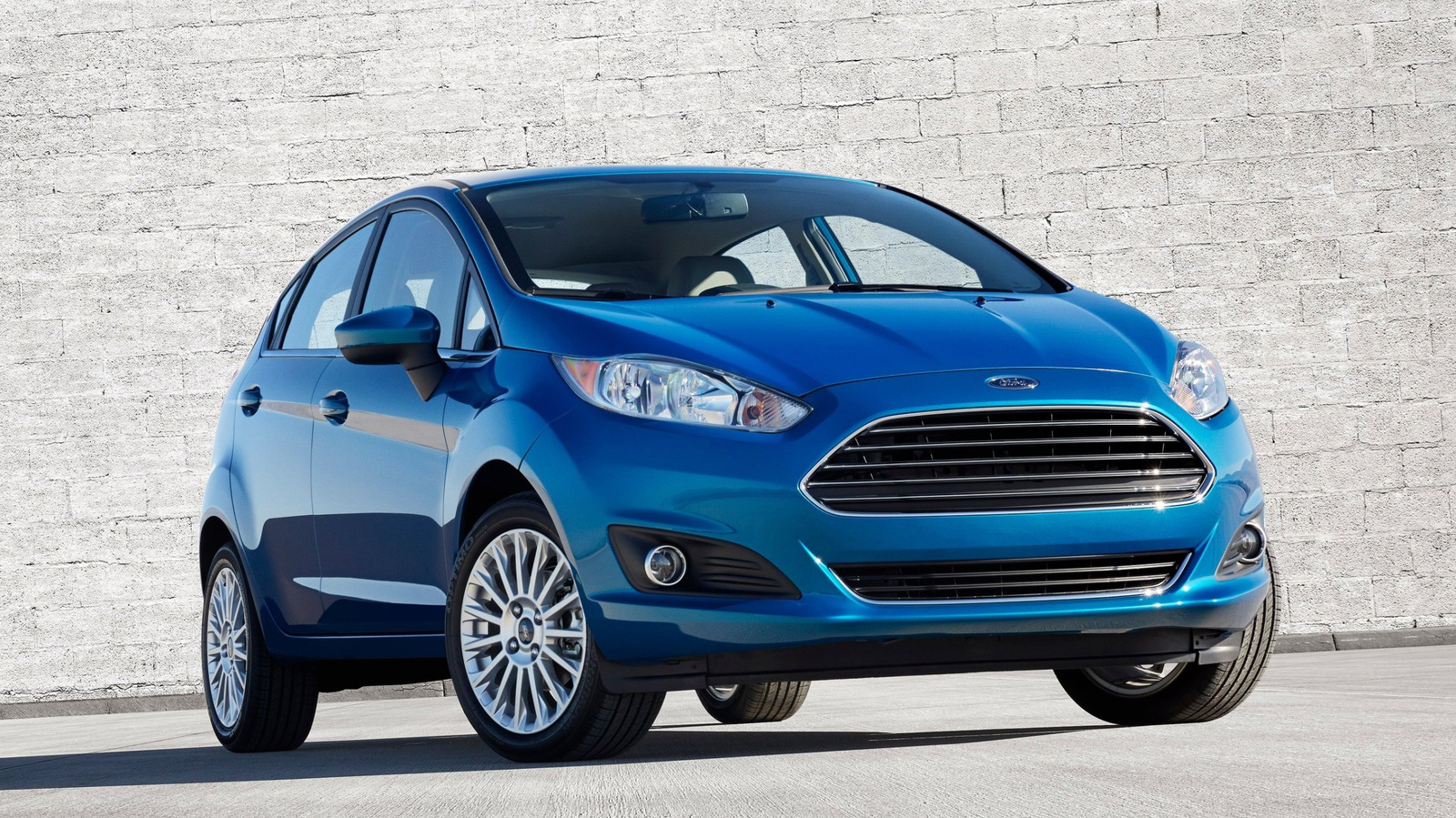
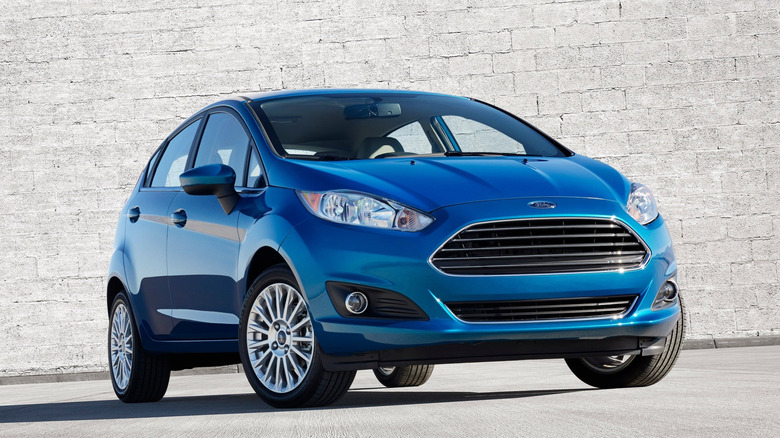
Even if you’re more than aware that new cars are super expensive, you may be shocked to learn that no automaker in the U.S. currently offers a new car for less than $20,000 anymore. Unless you get lucky and find some new old stock marked down below MSRP, the least-expensive new car you can buy is the Hyundai Venue, which, for the 2026 model year, costs $22,150 with destination. Yikes. It’s one thing for cheap sedans to disappear, but we somehow lost cheap vehicles in general. But what happened? According to a recent deep dive from the New York Times, you can blame the rich.
Now, you might not trust the car blog known for such far-left hot takes as Slavery Was Bad, Killing People With Your Car Is Bad, and Self-Driving Cars Shouldn’t Flout Safety Laws to be completely unbiased here, but I promise I’m not twisting the newspaper’s words here. The author quite literally argues that the reason new cars are so expensive these days is because political decisions made since the 1970s brought us to a point where the highest earners have enough disposable income to keep buying those pricier cars, and automakers would rather cater to them instead of building cars with lower profit margins that someone making regular money could afford:
What happened? How did a basic necessity of American life become a luxury good? We have to start with a transformation of the economy itself beginning in the late 1970s. While hourly compensation for the typical worker remained nearly stagnant, massive stock market bull runs and rising home equity have enriched the most affluent households. Today, there are so many wealthy people who can afford luxury cars that it simply isn’t that profitable for companies to produce cars for the bottom 40 percent of Americans by income.
It’s just business
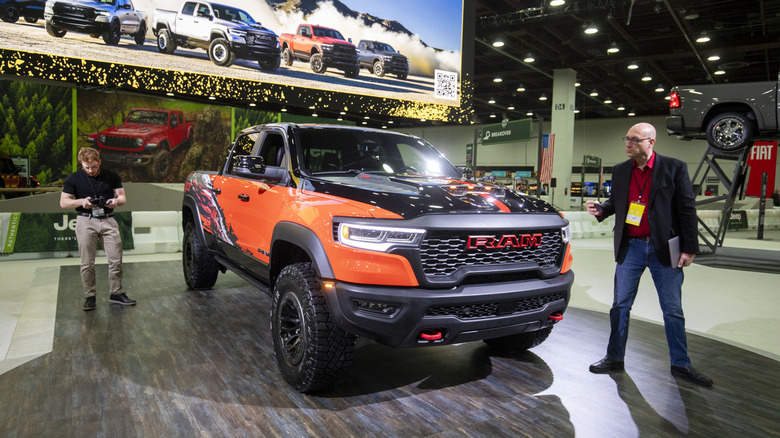
From the car companies’ perspective, it’s just good business. Money spent developing inexpensive, low-margin vehicles is money that wasn’t spent on more expensive, high-margin vehicles, and every base model built on the production line takes a slot from a top-trim model they could have built instead and sold for a higher profit:
That’s part of the reason manufacturers started rolling out so many higher-priced, higher-tech vehicles: The profits generated by an inexpensive car pale in comparison to what can be earned from a souped-up midsize S.U.V. or a light truck. Beginning with the release of its 2001 King Ranch, Ford has rolled out a dizzying array of increasingly elaborate and expensive models of its basic truck, the F-150. The top-of-the line “Platinum Plus” model now boasts massaging front seats and a Bang & Olufsen Unleashed 14-speaker audio system, and often retails for almost $90,000 — compared with $29,000 (adjusted for inflation) for a basic model in 1990. Today, Detroit doesn’t need the average American to buy a car; better to sell affluent households their second S.U.V.
For context, the current base price for a basic, two-door 2026 Ford F-150 XL with a plastic bedliner is $42,125 including destination, but adding a plastic drop-in bedliner adds another $380 to that price. Which means Ford didn’t just keep creating new, more expensive trim levels to meet demand at the top end. It also raised the price beyond the rate of inflation, and it’s not the only automaker that’s done something similar.
The problem is, in a country where driving is pretty much mandatory outside of a few cities and small neighborhoods, that leaves a huge percentage of the country priced out of new car ownership. It may be hard to believe if your social circle consists of financially successful college grads, but the latest data from the Social Security Administration says the median worker in the U.S. makes $43,222.81 a year. Not bottom quartile. Median.
A K-shaped economy
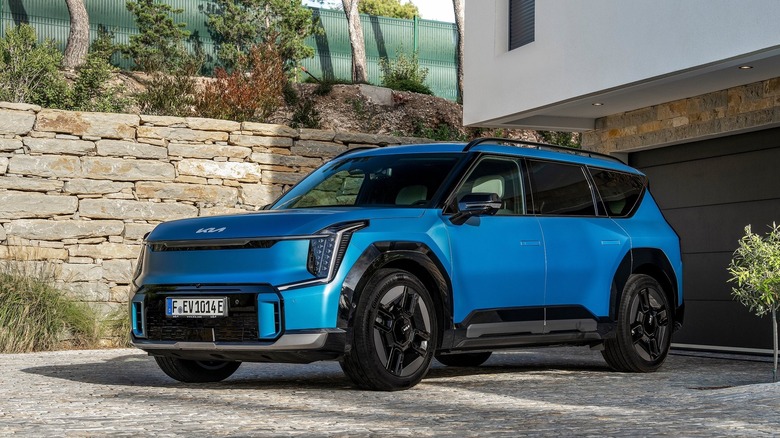
Of course, the folks dropping $90,000 on a new F-150 Platinum Pluses (a $14,200 upgrade over the F-150 Platinum) would probably tell you they aren’t rich, just comfortable. They don’t have private jets, chauffeurs, or vacation villas in the Mediterranean, so they can’t be rich. They don’t even have Patek money! Unfortunately for them, “I don’t have as many fancy things as I want, so I can’t be rich,” isn’t much of an argument. Someone’s always richer.
If you earn more than 90% of your country’s population, that makes you rich whether you feel rich or not. And most people would probably agree, right up until they learn that, in the U.S., a household income of $250,000 makes you a member of the top 10%. Is it wrong for two mid-career college grads to get married while each earning $125,000 a year? Nope. Is it bad for high earners to buy expensive cars they can comfortably afford? Not at all. They’re just buying what they like with the money they earned, and it’s not their fault the automakers stopped building cheaper cars their direct reports can afford. But how is the top 10% not rich?
Additionally, the policies that hollowed out the working class and left us with an economy that caters almost entirely to the wealthy didn’t magically rise out of the swamp and start messing with vehicular affordability all on their own. As the NYT emphasizes so clearly states, those changes began in the late 1970s, when the richest Americans finally began stacking up successes in their century-long quest to rewind New Deal Reforms and return to a pre-FDR world where regulations like “don’t get caught abusing your workers” and “don’t get caught poisoning the river” didn’t exist. Every success since has come because they convinced others those policies would make them rich, too, even though they haven’t.
The article also dives into the role protectionism has played in this whole issue, but something tells me most of the readers who bristle at the suggestion that rich Americans killed the affordable car probably won’t love the solution, “Just import Chinese EVs lol.” Still, while it is a long read, there’s plenty of good stuff in there that I couldn’t get to here, so why don’t you head over to the NYT and give the whole thing a read?

