


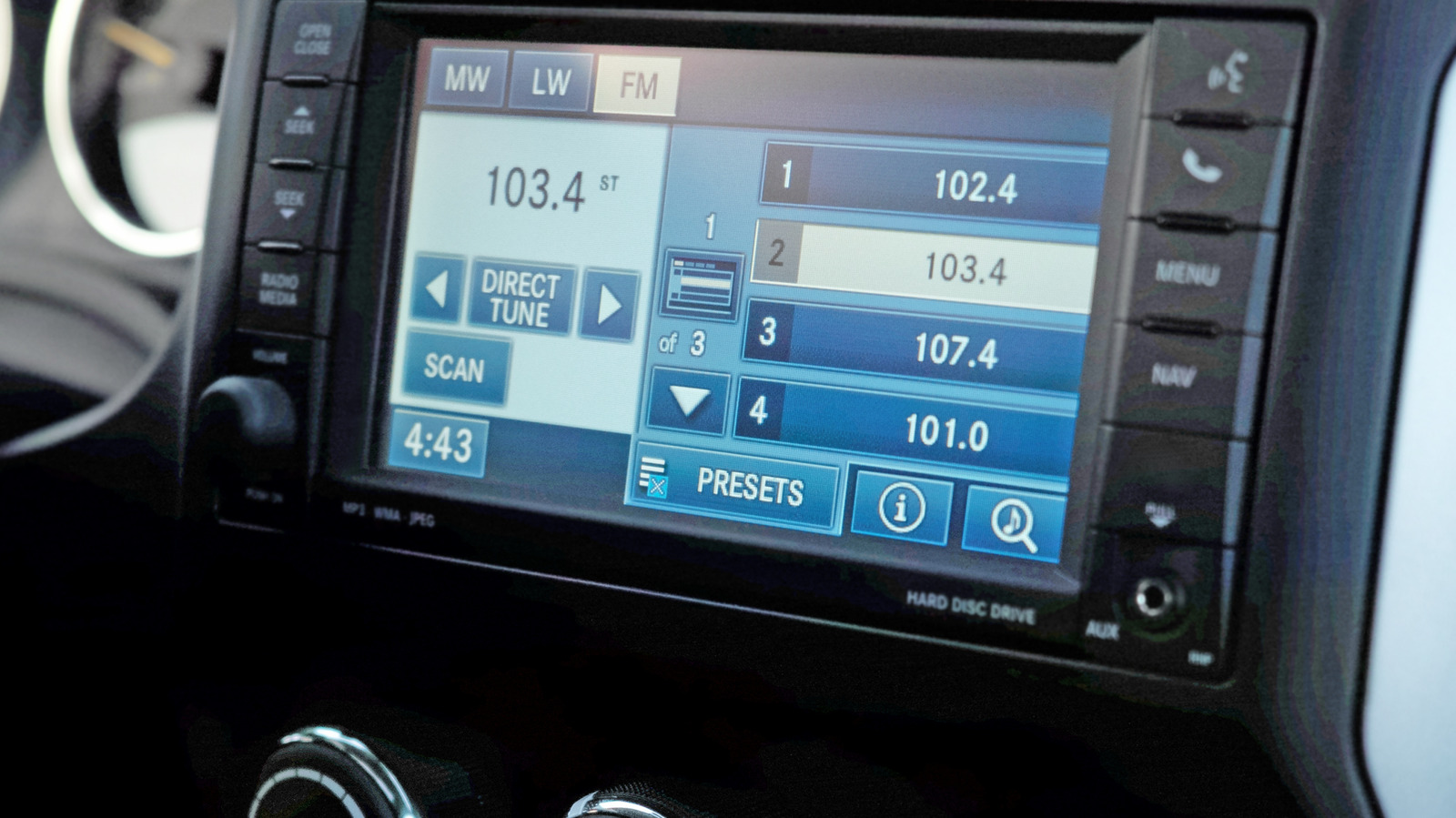
In a world of Spotify, Tidal, and countless other audio streaming services, who listens to terrestrial radio in their car anymore? It’s basically nobody, right? Well, there are more radio listeners than you may think, according to a recent study by Edison Research. Its Q1 2026 Share of Ear data reveals that 55% of Americans’ in-car audio time goes to AM/FM radio, with all listeners age 13 and older. Streaming only accounts for 16% of our drive-time listening. That’s quite a different story than the doom and gloom we’ve been led to believe that streaming would kill the radio star.
When Edison drills a bit deeper into the numbers, specifying an age range of 13 to 34, streaming increases. AM/FM radio still earns 46% of listening time, but streaming goes up to 30%, nearly double the overall figure. It may be that older people tend to stick with what they know, which is AM/FM broadcasts, and not this new-fangled streaming thing. Likewise, younger people grew up with digital and streaming options, as well as the ability to choose what they listen to by methods other than a radio station’s request line.
However, the numbers turn around a bit when looking at spoken-word audio. Podcasts take a small lead here, taking up 40% of American’s listening time, compared to 39% for AM/FM radio — no age distinction was made here, simply all Americans over the age of 13.
In 2015, spoken word audio on the radio held a dominant 75% lead, which was to be expected with all of its talk shows and baseball games. But since then, podcasts have skyrocketed in popularity, perhaps because they are not only available on demand, but because there’s a podcast these days for any topic you can imagine. Even within the relatively niche automotive world, you have everything from old standards like The Smoking Tire to recent upstarts like Trans Girlismo, and everything in between.
AM radio lives
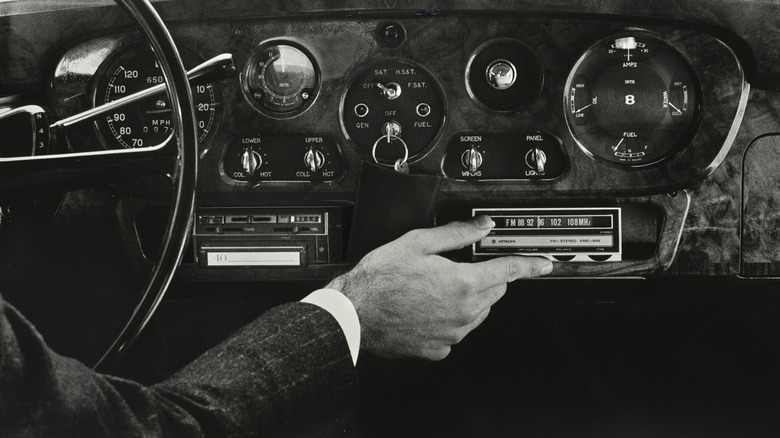
Despite radio’s continuing popularity, Tesla, Rivian, and even Ford have been eliminating at least AM radios from new models. This move has been particularly prevalent among EVs, whose electric motors generate interference with AM radio reception. Eliminating this interference would cost manufacturers billions – they don’t want to spend that money if they don’t have to.
However, they may have to. Customers and politicians have been pushing back hard against dropping radio from modern cars. Ford even reversed course after massive backlash to eliminating AM radio. The government has even gone as far as introducing the AM Radio for Every Vehicle Act, which would require every new passenger car to be equipped with an AM radio. (FM does not suffer from the same kind of electrical interference that AM does, so it’s less likely to be on manufacturers’ chopping blocks.)
This isn’t because the high average legislator age is AM radio’s target demographic, but because AM radio remains a vital component of the Emergency Alert System, even today. While some of us think of the EAS as nothing more than those amber alerts and false alarms on our phones, AM radio keeps working when power and cell towers go down. According to the National Association of Broadcasters:
77 radio stations play a crucial role serving as Primary Entry Points (PEPs) across the country, a vast majority of which are AM stations. These are designated radio stations whose signals cover 90% of the American population and have a direct connection to FEMA and the National Weather Service (NWS). In times of crisis, these stations receive emergency information and alerts directly from the federal government, ensuring a reliable and authoritative source of information for the public.
Many rural areas still don’t have reliable cell service, including where I live. When local Wi-Fi cuts out during a power outage, that leaves no connection to the outside world besides radio. AM, in particular, has a wide coverage area unaffected by cell service. Home radio ownership is dropping rapidly, leaving the car as the only available radio in many cases. Every car should have one.

