


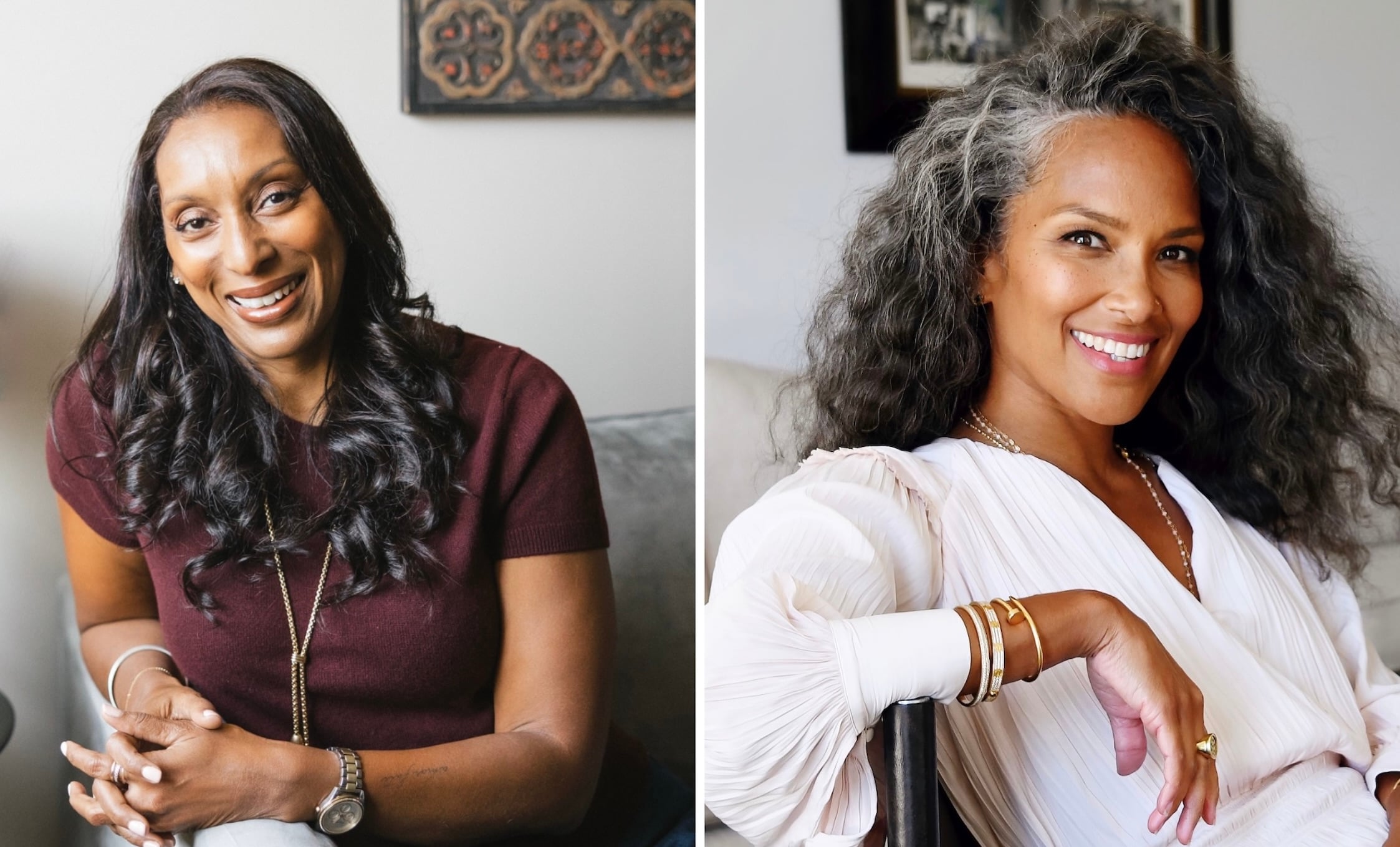
Christine Pride, left; Mara Brock Akil, right
When I was six years old, I asked my parents why there weren’t people who looked like us on TV. With books, it wasn’t an issue — I could imagine that the characters resembled me — but the rest of mainstream pop culture was almost entirely white. Even at my young age, I knew something was off. It sent a message I was only beginning to understand.
Then came The Cosby Show in 1984. It’s hard to convey the impact that series had, not only on me personally, but on the culture at large. For many white people, the sitcom was their first exposure to a family of this kind (Black people — they’re just like us!). And for many Black viewers, it was a rare opportunity to see ourselves reflected on screen. However tarnished the show’s legacy has become, its debut was a watershed moment and the start of a heyday for Black TV.
Shows like A Different World, Living Single, and The Fresh Prince of Bel-Air gave more opportunities to Black performers and storytellers. Powerhouse showrunner Mara Brock Akil got her start on one of those groundbreaking sitcoms — Moesha — and then went on to produce two decades’ worth of hit series, including Girlfriends, Being Mary Jane, and the recent adaptation of the Judy Blume novel Forever.
Now, Mara has turned to a new creative medium: books! Her debut novel, The Revelation of Dionne Daphne, follows a woman in early-90s NYC, who’s waiting for the results of an HIV test. As a longtime fan, I was thrilled to chat with Mara about her trailblazing career, conquering shame, and the enduring power of love stories…
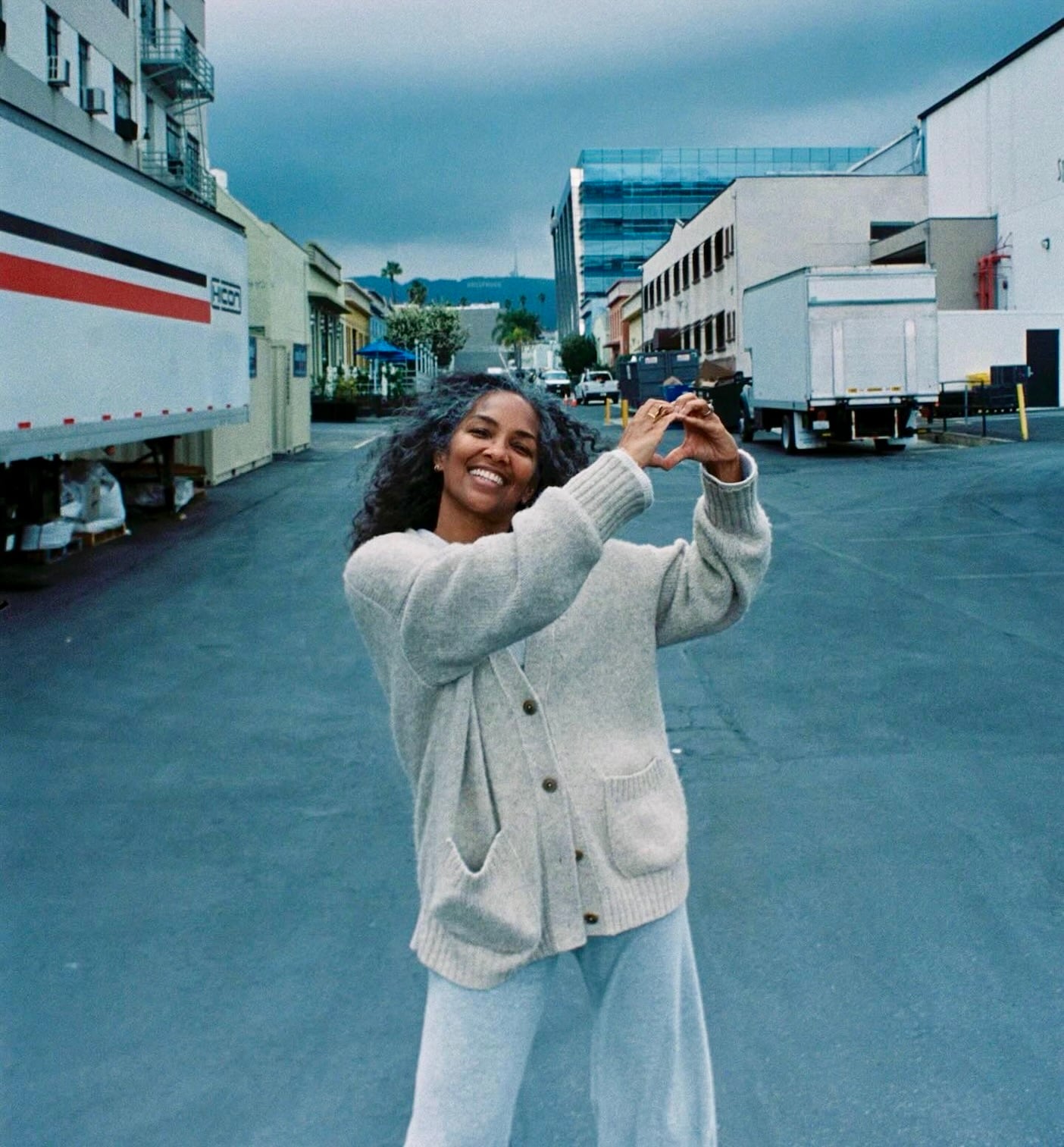
Mara on the lot
You’ve always centered Black women in your work. When you first started, did you feel a responsibility to do so — or were you simply telling your stories?
Both. When I was in journalism school in the ’90s, there were two types of “Black” stories: either criminalization and trauma or hyper-success through sports or entertainment. The in-between experiences did not exist, and that lit a spark in me. I knew the stories of my family and community were not only underrepresented, but also valuable and universal. I made it my mission to tell stories like that.
As a writer, I’m always asking myself, ‘Who is the audience?’ You can’t write for everyone, but in competitive worlds like publishing and TV, there are gatekeepers controlling what stories get told. How do you think about who you’re writing for?
I think of culture as a dinner party, and myself as a guest. I come to the table and see myself in conversation with others, too — like painter Amy Sherald and the singer-songwriters Solange and Jazmine Sullivan (I’ve been listening a lot to her new album). For me, storytelling is about driving that conversation forward.
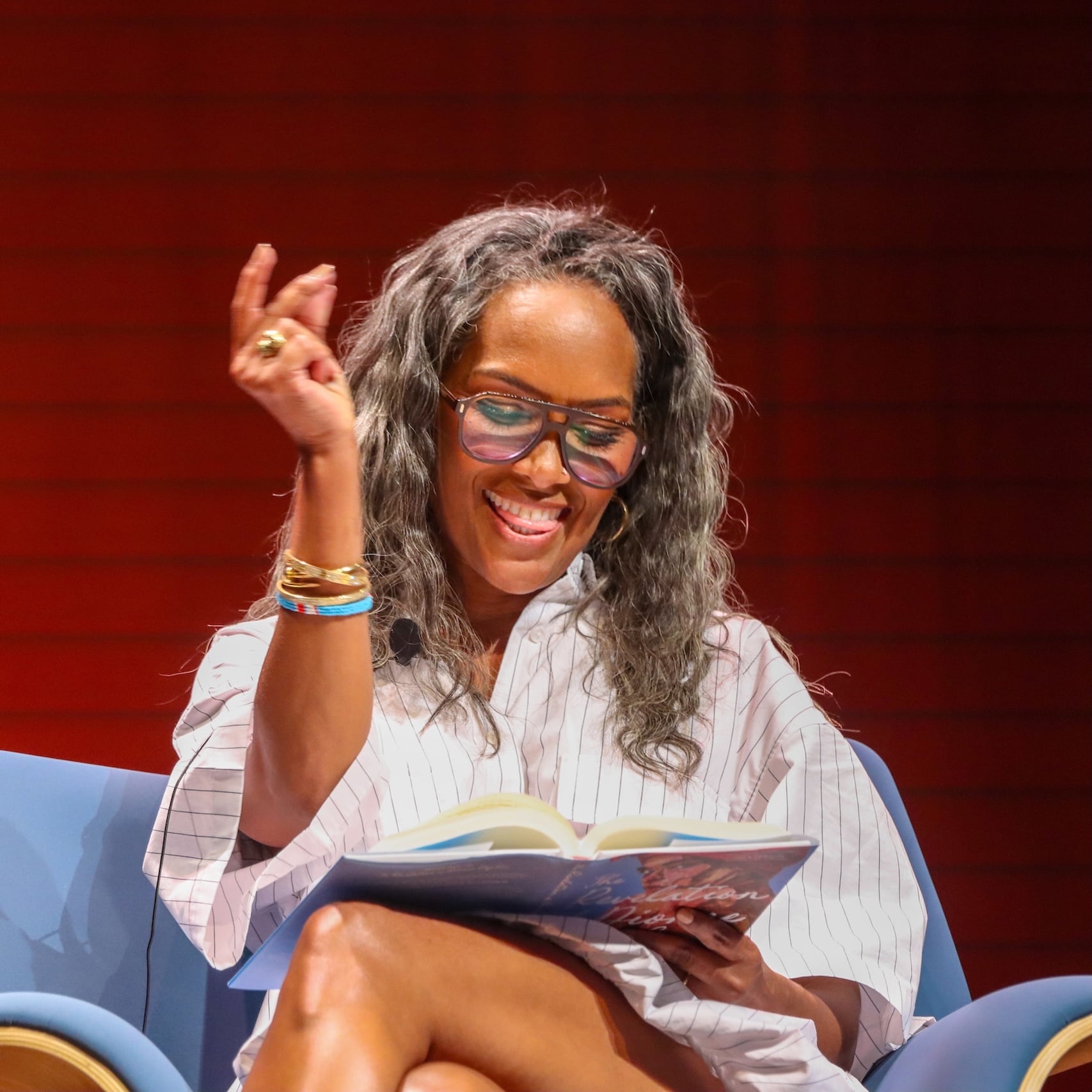
Mara at a book reading
I got completely sucked into your new novel, The Revelation of Dionne Daphne. What made you choose to write a book rather than a screenplay?
Quite frankly, it remains hard to sell anything centered on a Black woman in the TV/movie business. But this story had been in my mind for a long time, and when a book editor reached out to me, I wondered if it might be best told on the page. Dionne is a young, successful Black woman, in the ’90s — the era of, ‘I can do bad all by myself.’ She looks like she’s got it all together, but what is she carrying inside that we don’t see?
If you think of culture as a dinner conversation, what’s the topic you want to raise with this book?
Shame. Capitalism thrives off our shame. I think of all of us at that dinner party and wonder: What if we all lay it down? That’s what Dionne Daphne is doing. She raises her hand and says, ‘I’m going to tell you this story, laying down my shame, so I can get to who I really am.’ Maybe it’ll give someone else permission to do the same.
Your novel doesn’t shy away from tough, potentially triggering subjects. So many “Black” stories do involve pain and struggle, given the facts of history. How do you integrate that reality, while avoiding the traps of stereotype and trauma porn?
My goal is to illuminate our beauty and resilience: How we do carry so much. All the things we’ve survived. I mean, if you think about everything that’s happened to Black folks — how have we done that? We work hard to avoid getting stuck in our pain, but there’s a difference between coping and truly healing. We’re in a moment where a lot of people are trying to heal, by acknowledging their wounds and unburdening themselves. There’s power in that.
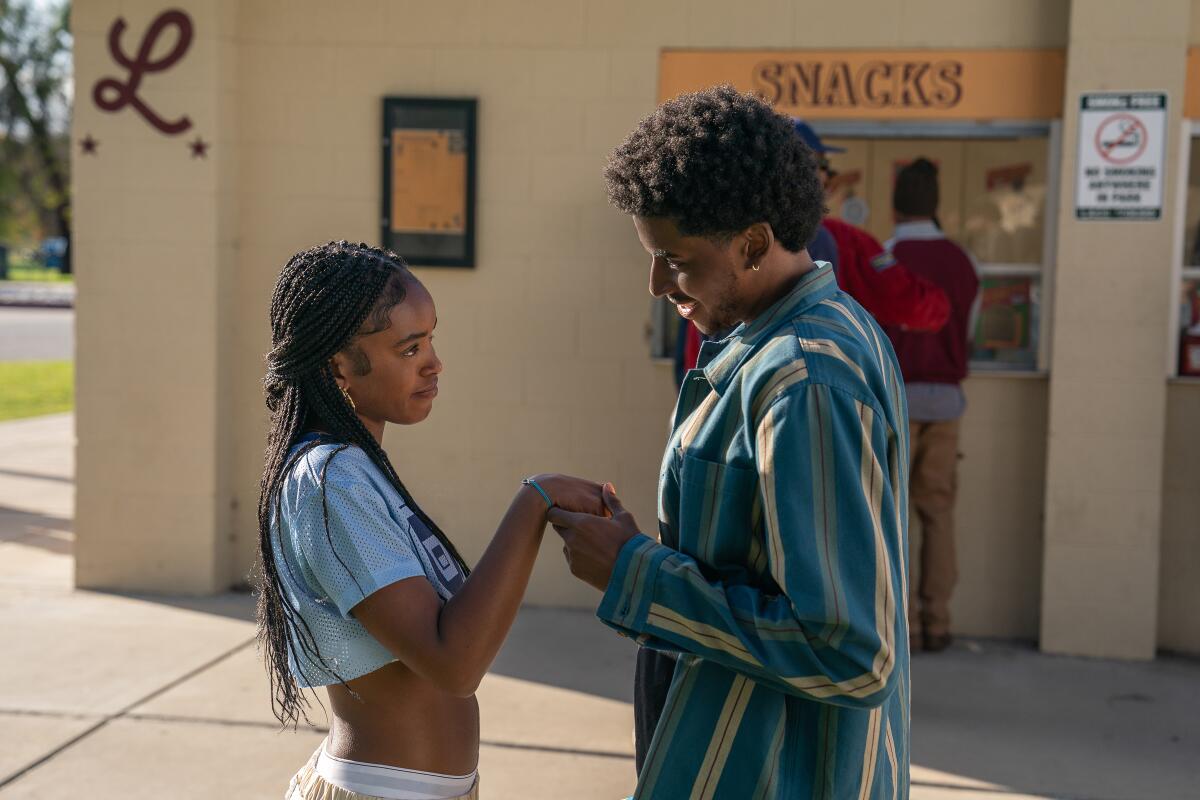
The TV series Forever
Lastly, I have to ask you about your show Forever, based on Judy Blume’s classic (and most banned!) novel about two teenagers losing their virginity. I remember hiding under the covers to re-read all the pages I’d dog-eared. You reimagined this story for television with contemporary Black characters. Tell us about that decision.
I knew I couldn’t translate Forever directly. I took the core story — two young people falling in love — and asked myself what their challenges would be now, in modern America. The book was first published in 1975, not long after the birth-control pill had become available, giving young women more agency and safety to explore their sexuality. That was the “modern” backdrop of the protagonist Katherine’s story. But what happens if you shift that perspective to a young Black boy in 2018? What does it mean for him to safely explore his sexuality? The terrain is immediately different; race becomes a factor, a different gender becomes a factor. But the innocence and spark of first love — that’s the same. I wanted to remind people that young people deserve the chance to explore and develop. Are we making space for that? Are we protecting it? Are we helping them navigate it without dire consequences? The obstacles Justin and Keisha face are familiar to all of us in today’s America. We want to root for this young Black couple, falling in love and trying to stay true to themselves.
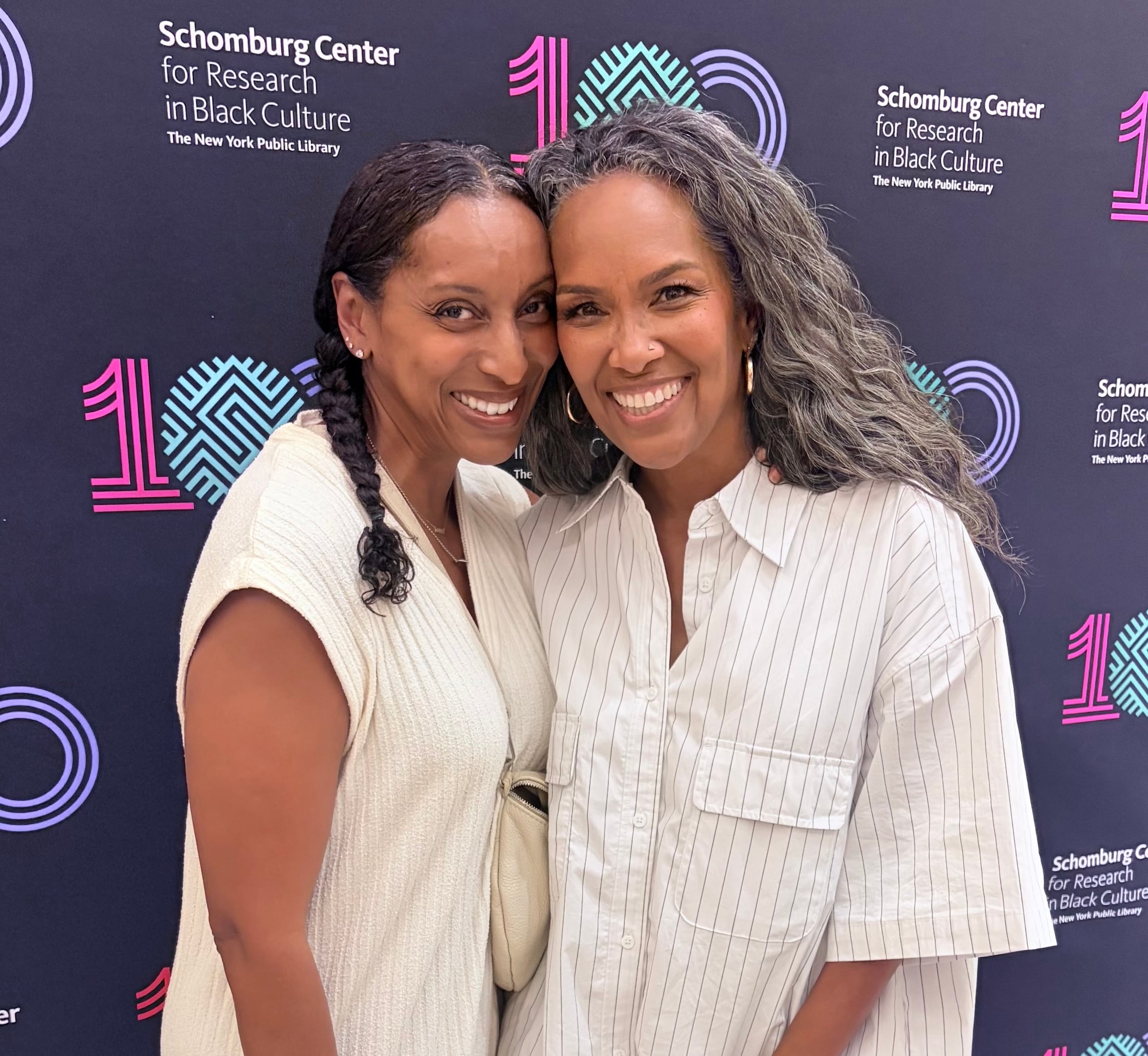
Christine and Mara
Thank you for the excellent chat, Mara! Congratulations on your wonderful new novel. And for all you Forever fans, Mara is working on season two. I would love to hear how a book or television show has touched or shaped you. Please share in the comments…
Christine Pride is a writer, book editor, and content consultant who lives in Harlem, New York. Her latest book is All The Men I’ve Loved Again, and you can read her past Cup of Jo posts here.
P.S. More Race Matters posts, including five things I want to tell my white friends.
(Christine Pride photo at top by Yumi Matsuo for Cup of Jo. Mara Brock Akil headshot by Emma Feil.)

