


Written by Orvin Kimbrough
Freedom was declared. But the news arrived late. And for far too many, the fullness of freedom is still delayed.
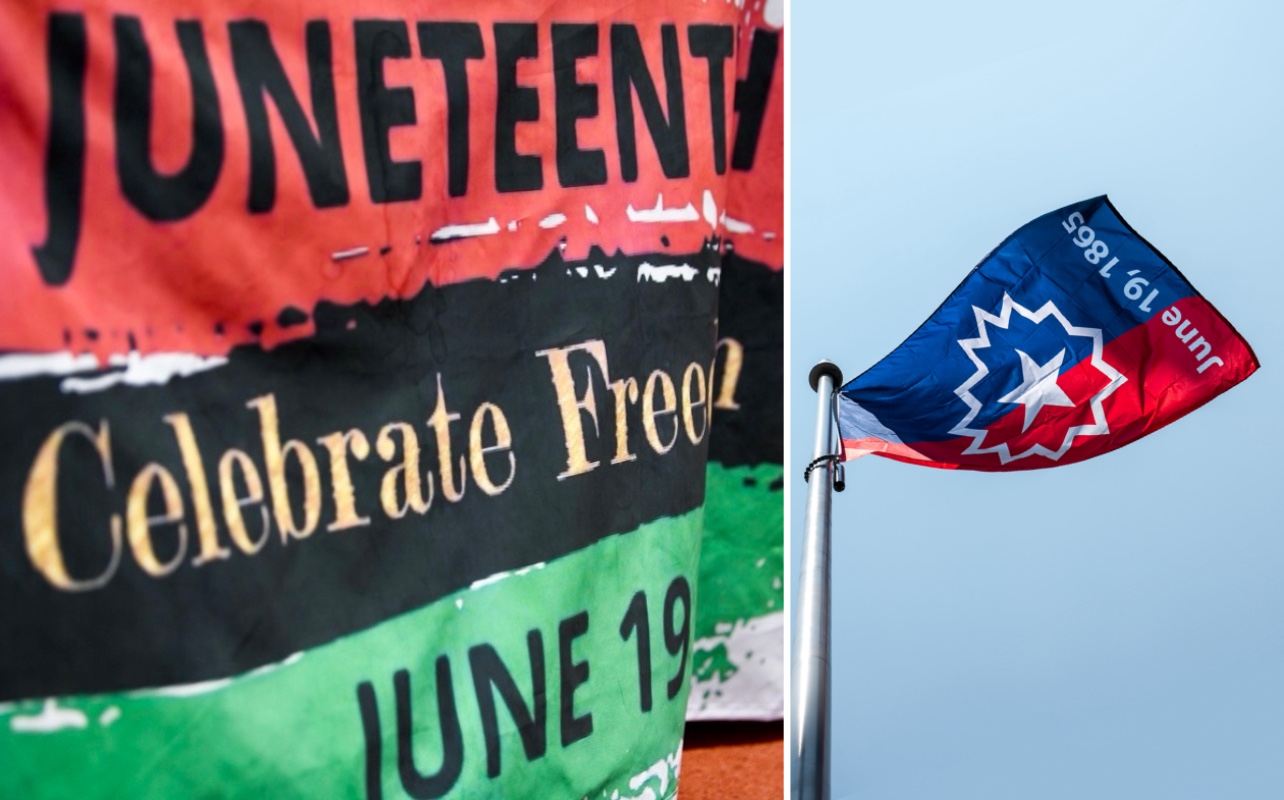
On June 19, 1865, under the blistering Texas sun in Galveston, the last enslaved people in America finally heard the words that should have reached them years earlier: You are free.
Two and a half years after the Emancipation Proclamation, freedom finally arrived in word. But as our ancestors quickly learned, freedom is more than the absence of chains. Freedom is access. Freedom is agency. Freedom is ownership. Freedom is the ability to build, protect, pass down, and determine the future of your family.
On that sacred day, African Americans were promised a beginning. Forty acres to till. A mule to move forward. A chance to build something of our own.
But what we received was too often a mirage.
The Freedman’s Savings Bank opened with promises of security and progress. Black families placed their hopes, wages, and future into that institution. They trusted it with the modern equivalent of millions of dollars. When it collapsed, it did more than destroy savings. It shattered trust. It delayed dreams. It stole momentum from a people already forced to start too far behind.
And yet, we are still here.
Still building. Still rising. Still sowing seeds in soil once salted by betrayal. Still turning grief into growth. Still turning pain into principle. Still turning history into instruction.
That is why Juneteenth cannot only be a day of remembrance. It must also be a day of recommitment.
We remember the delayed announcement of freedom. But we also recommit ourselves to the unfinished work of economic liberation.
Because liberation is not only what we are freed from. It is what we are freed to build.
On this Juneteenth, I believe we are called to rebuild a covenant. A sacred, generational commitment to build wealth, pass down wisdom, strengthen families, shape institutions, and make sure our descendants do not always have to start from scratch.
And to our allies reading this — our neighbors, co-workers, board members, civic leaders, and friends — this is not only Black history. It is American history. This is not only Black work. It is shared work. Because when any community is locked out of opportunity, the whole country is weakened. And when communities rise, all of us gain greater stability, creativity, prosperity, and strength.
Every week, I meet people who are trying to do exactly that. People who want to start businesses, buy homes, own land, build credit, invest wisely, and create something their children can stand on.
Not too long ago, I facilitated a session on Black Liberation Finance. In that room, I saw people wrestling with one of the most important questions of our time: What does it mean to move from surviving history to shaping the future?
I hear people talk about reparations. And while that conversation matters, I also hear something deeper emerging. I hear people reframing repair not only as something that may be given, but also as something we must pursue through work, ownership, investment, discipline, strategy, coalition, and long-term thinking.
That is covenant living.
So let these be more than ideas. Let these be marching orders. Let these be our covenant.
The 10 Black Commandments for Legacy and Liberation
1. Thou Shalt Own Property and Land
Ownership is power. Our ancestors worked soil they did not own. They built wealth for others while being denied the right to build stability for themselves.
Today, we must claim what they were denied. Land is not just dirt. It is leverage. It is identity. It is security. It is a place to stand, a place to build, and a place to pass down. Property ownership gives families options, communities roots, and future generations a foundation.
We cannot treat ownership as optional if liberation is the goal. We must learn how to acquire, protect, improve, and transfer property. We must teach our children that land is not only something to live on. It is something to steward. Ownership is not just about possession. It is about power, responsibility, and legacy.
2. Thou Shalt Engage Politics — From the Block to the Ballot
Freedom without voice is fragile. From zoning laws to school boards, from city halls to state legislatures, policy shapes daily life. We must vote with intention, serve with conviction, and hold power accountable.
Representation matters, but representation without results is not liberation. We cannot confuse occupying a seat with moving a people forward. We must ask what has moved forward under their leadership. Have our schools improved? Have our neighborhoods strengthened? Have families gained access to housing, capital, safety, health, and opportunity? Liberation requires participation, but it also requires accountability, courage, and measurable progress.
3. Thou Shalt Be Educated — In Mind, Trade, and Spirit
There was a time when our people were punished for learning to read. Today, knowledge remains one of our greatest forms of resistance. Whether in universities, trade schools, churches, barbershops, boardrooms, or living rooms, we must learn, teach, question, and liberate.
But we cannot outsource our development. No school, employer, church, mentor, or institution can want growth for us more than we want it for ourselves. We must take ownership of our learning — reading, studying, asking better questions, building new skills, and preparing ourselves for doors that have not opened yet.
Education is not just about credentials. It is about capacity. It is about discernment. It is about being equipped to lead, build, serve, earn, and pass wisdom forward. We will not wait for permission to grow. We will pursue knowledge as an act of freedom.
4. Thou Shalt Own and Champion Black Enterprise and Leadership
Freedom must have a storefront and a seat at the table. From corner businesses to corporate headquarters, Black entrepreneurship and Black leadership are resistance in motion. We must build, buy, believe in, and support Black enterprise whenever possible. We must also celebrate those who walk into boardrooms with brilliance, boldness, and purpose.
But championing does not mean applauding without accountability. It also means having the tough conversations that foster growth, strengthen standards, and help our businesses and leaders become better. Support should not make us silent. Love should make us honest. Ownership matters. Enterprise matters. Leadership matters.
5. Thou Shalt Work Hard and Work Smart
We come from people who worked for nothing. Now every hour must mean something. We must outwork doubt, outthink scarcity, and outmaneuver systems that were never designed for our full flourishing.
But hard work alone is not enough. We must also teach strategy, discipline, ownership, and discernment. We must show the next generation how to work with purpose, how to protect their time, how to build skills, how to create leverage, and how to turn effort into progress.
Sweat matters. Strategy matters too. And when discipline, discernment, and smart work are passed down, effort becomes legacy.
6. Thou Shalt Be Present in the Lives of Our Children
Legacy does not begin in boardrooms. It begins in living rooms, classrooms, kitchens, playgrounds, and car rides. It begins when a child knows someone is watching, listening, correcting, encouraging, and expecting more from them.
We must mentor, model, protect, and prepare the next generation. Every child needs someone who sees them, believes in them, corrects them, and calls them higher. Presence is not passive. Presence is investment. It is time. It is attention. It is consistency. It is the willingness to show up before the crisis, not only after the damage is done.
Everyone can invest in a child’s future — through mentoring, early learning, sponsorship, family-friendly workplaces, coaching, tutoring, or simply being a steady adult in an unsteady world. If we want children to inherit freedom, they must first experience formation. They must see discipline. They must see love. They must see possibility lived out in front of them.
7. Thou Shalt Pass Down Knowledge and Wealth
If we die with our wisdom, we have failed the next generation. We must pass down more than money. We must pass down stories, blueprints, habits, relationships, values, faith, and ambitions.
Too many families have had to begin again because knowledge was never transferred, assets were never protected, and lessons were never written down. We must break that cycle. We must talk about money before the funeral. We must talk about ownership before the crisis. We must talk about stewardship before the inheritance.
Let our last name open doors our first name never could. Let our children inherit more than memories. Let them inherit momentum. Passing down wealth is not only about what is in the bank. It is about what is in the mind, the heart, the documents, and the family culture.
8. Thou Shalt Master Financial Literacy and Strategy
Wealth that is not managed is wealth that disappears. We must budget without shame, invest with purpose, diversify with wisdom, and teach others to do the same. Real estate. Private stock. Public stock. Business ownership. Side hustles. Land. Retirement accounts. Insurance. Estate planning. We must learn the game, change how we play it, and teach our children the rules earlier than we learned them. Stack it. Grow it. Protect it. Pass it on.
9. Thou Shalt Build Networks and Influence Institutions
Wealth cannot thrive in isolation. Opportunity often moves through relationships before it ever shows up as a posting, a program, a contract, or a seat at the table. That means we must build networks with intention and influence institutions with courage.
We must move as a collective, building bridges in corporate towers and community centers alike. We must support entrepreneurs and intrapreneurs — those building outside the system and those reshaping power from within. We cannot climb alone. We must lift as we rise.
But rising requires more than presence. It requires partnership. Find people who genuinely want to see you win, regardless of what they look like. Build coalitions rooted not only in identity, but in integrity, alignment, and shared purpose. We need sponsors, mentors, advocates, investors, connectors, and truth-tellers.
Institutions shape outcomes. So we must not only ask to enter them. We must influence them. We must bring our values, our excellence, our questions, and our courage into the rooms where decisions are made. Liberation requires both community power and institutional influence.
10. Thou Shalt Be Anchored in Faith and Purpose
We are not chasing riches for riches’ sake. We are pursuing purpose. Faith is our foundation. God is our guide. With every dollar, every decision, and every dream, we honor something bigger than ourselves.
Wealth without purpose can become another form of bondage. It can make us anxious, isolated, prideful, or forgetful. But wealth rooted in faith becomes a tool for service. It becomes a way to bless others, break chains, build institutions, create opportunity, and honor the sacrifices of those who prayed for a future they would never see.
Purpose keeps prosperity from becoming selfish. Faith keeps ambition submitted to something higher. We build not simply so we can have more, but so we can do more, give more, repair more, and leave more.
Wealth is not the end. It is a tool — to bless others, break chains, build institutions, and create a future worthy of our ancestors’ sacrifice.
From Emancipation to Empowerment
Juneteenth is not only about what was denied. It is about what we are still determined to build.
From the ashes of broken promises, we forge unshakable principles. From the silence of delayed freedom, we raise a new sound — a sound of strategy, stewardship, ownership, and faith.
This is our covenant.
Not merely a list of goals, but a spiritual contract with those who came before us and those yet to come.
Let these commandments live in our homes. Let them breathe in our businesses. Let them guide our schools, churches, policies, boardrooms, and kitchen-table conversations. Let them shape how we spend, save, invest, vote, mentor, lead, and love.
Here is the charge: Choose one commandment. Live it this week. Share it with someone you love. Post it. Preach it. Practice it. Then choose another. And another.
Because freedom must be remembered, but it must also be built.
May our labor yield legacy. May our faith birth freedom. And may our children never experience the chains we broke — only the doors we built.

