


April 21, 2026
For now, JetBlue’s leadership is doubling down on its independent turnaround plan.
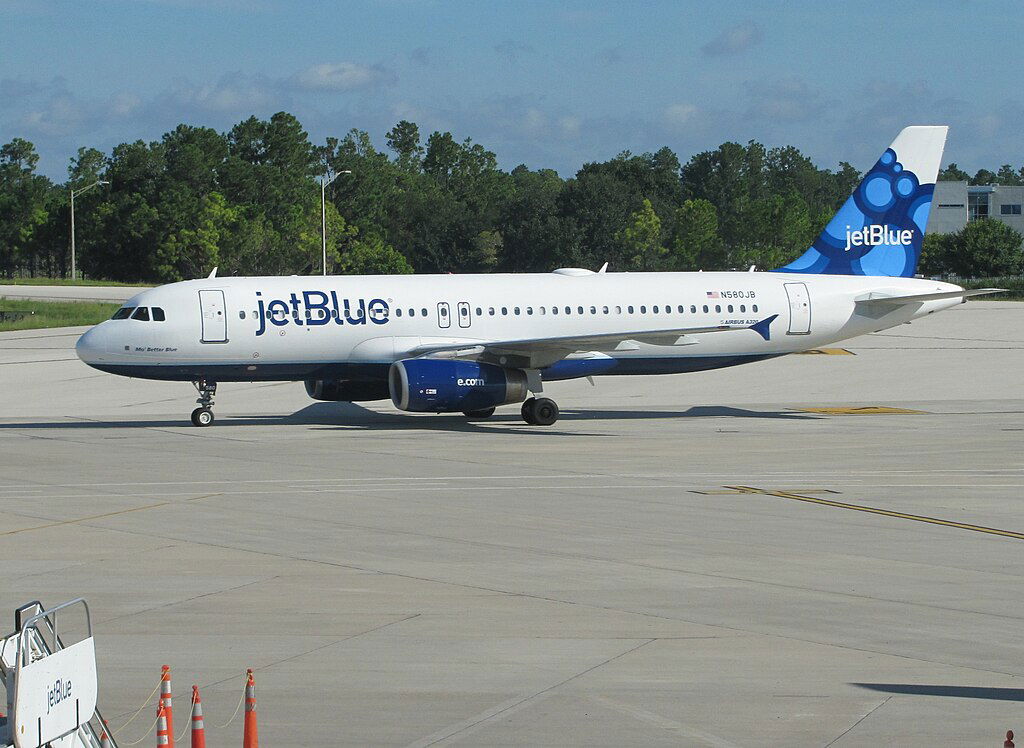
JetBlue Airways CEO Joanna Geraghty moved to stabilize internal and investor confidence on April 20, explicitly stating that the affordable-fare airline is not considering a bankruptcy filing in 2026. The clarification, delivered via an internal memo reported by Reuters, arrives as the aviation industry grapples with a volatile fuel market exacerbated by the ongoing conflict in the Middle East.
The New York-based airline finds itself at a critical juncture. While attempting to execute a multi-year turnaround strategy, JetBlue—alongside its global competitors—is facing a massive surge in jet fuel costs following U.S.-Israeli strikes on Iran. These geopolitical tensions have severely disrupted traffic through the Strait of Hormuz, a primary artery for global oil distribution, delivering a systemic shock to airline balance sheets reminiscent of the early days of the COVID-19 pandemic.
Liquidity and Viral Speculation
Geraghty’s memo serves as a direct rebuttal to recent social media turbulence. Last week, a video featuring JetBlue founder David Neeleman—who was ousted from the company in 2007—went viral after he warned that the airline could face insolvency this year. A person familiar with the situation confirmed the authenticity of the recording on Monday.
To counter the narrative, Geraghty emphasized the airline’s aggressive capital-raising efforts. JetBlue recently secured a $500 million debt financing commitment, collateralized by 22 airplanes with an option to draw an additional $250 million if necessary. The CEO maintained that the carrier possesses ample liquidity and remains well-positioned to access further capital markets.
The Iran War and Operating Pressures
The economic reality of the war is stark. Jet fuel prices, which typically represent 25% of a carrier’s operating expenses, have nearly doubled since the onset of the conflict. This puts immense pressure on mid-sized carriers that lack the massive hedging reserves or financial cushions of larger legacy airlines.
“We’re operating in an environment that is more challenging than we had expected at the beginning of the year, particularly as it relates to fuel prices,” Geraghty noted in the memo.
The timing is particularly difficult as JetBlue entered 2026 focused on a return to profitability through route optimization, cost-containment measures, and the strategic deferral of aircraft deliveries.
Consolidation and Future Outlook
Beyond the immediate fiscal hurdles, the memo also addressed persistent rumors about industry M&A activity, particularly regarding Spirit Airlines’ future. While industry analysts suggest that further consolidation may be the only path for survival for smaller players in a high-cost environment, Geraghty remained cautious about the legal and political hurdles involved.
“Any further consolidation would be subject to regulatory review, and the outcome remains uncertain,” she stated.
For now, JetBlue’s leadership is doubling down on its independent turnaround plan. Geraghty took the helm in 2024.
RELATED CONTENT: Delta Air Lines Stands With TSA Agents, Suspends Congress Perks Amid Partial Shutdown Chaos

