


Key Takeaways
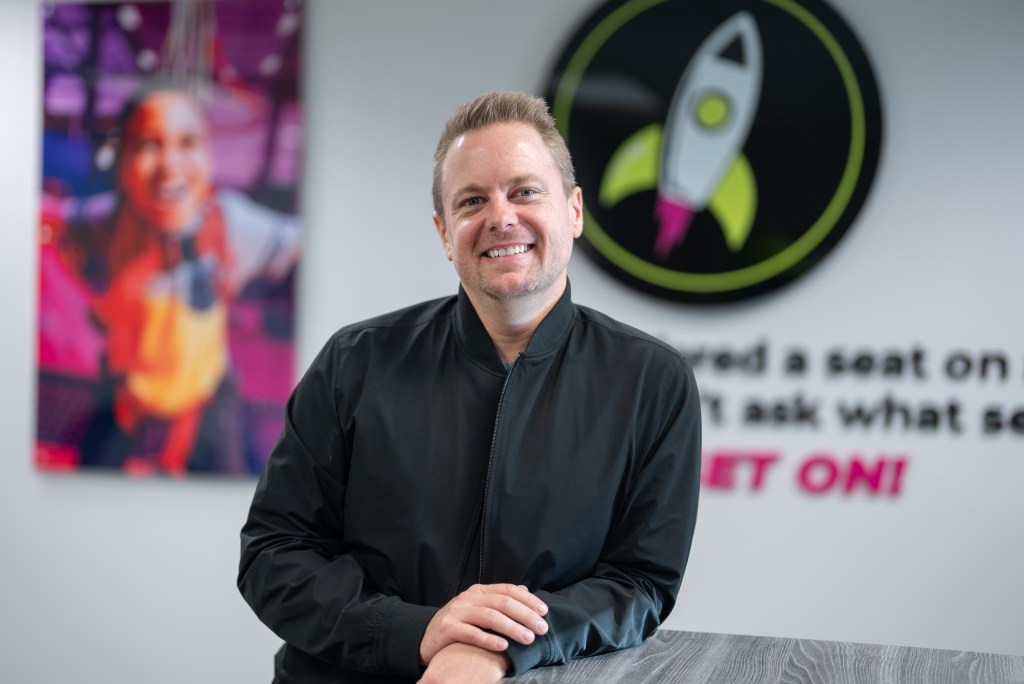
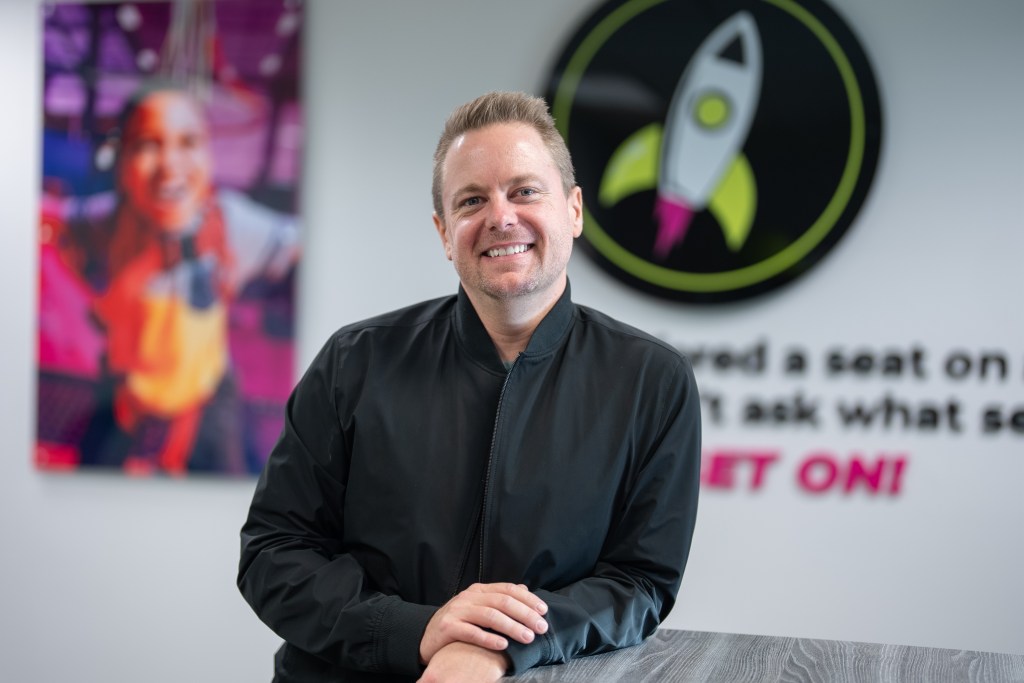
- Michael Browning Jr. is the founder and CEO of Unleashed Brands, the $1 billion youth enrichment platform company that includes Urban Air, The Little Gym and Sylvan Learning.
- Unleashed Brands has more than 1,600 locations nationwide and serves more than 25 million people.
- In 2025, Unleashed Brands opened 133 new franchise locations with more than 200 franchises in development.
When Michael Browning Jr. tried to launch a trampoline park in 2011, every bank and investor rejected him. His age was a factor — he was 26 years old at the time. Investors said he was too young and that his idea would never work.
Undeterred, Browning went to his parents and asked for their help. His dad had a construction background and said he could help Browning build the facility. His parents also invested in the venture.
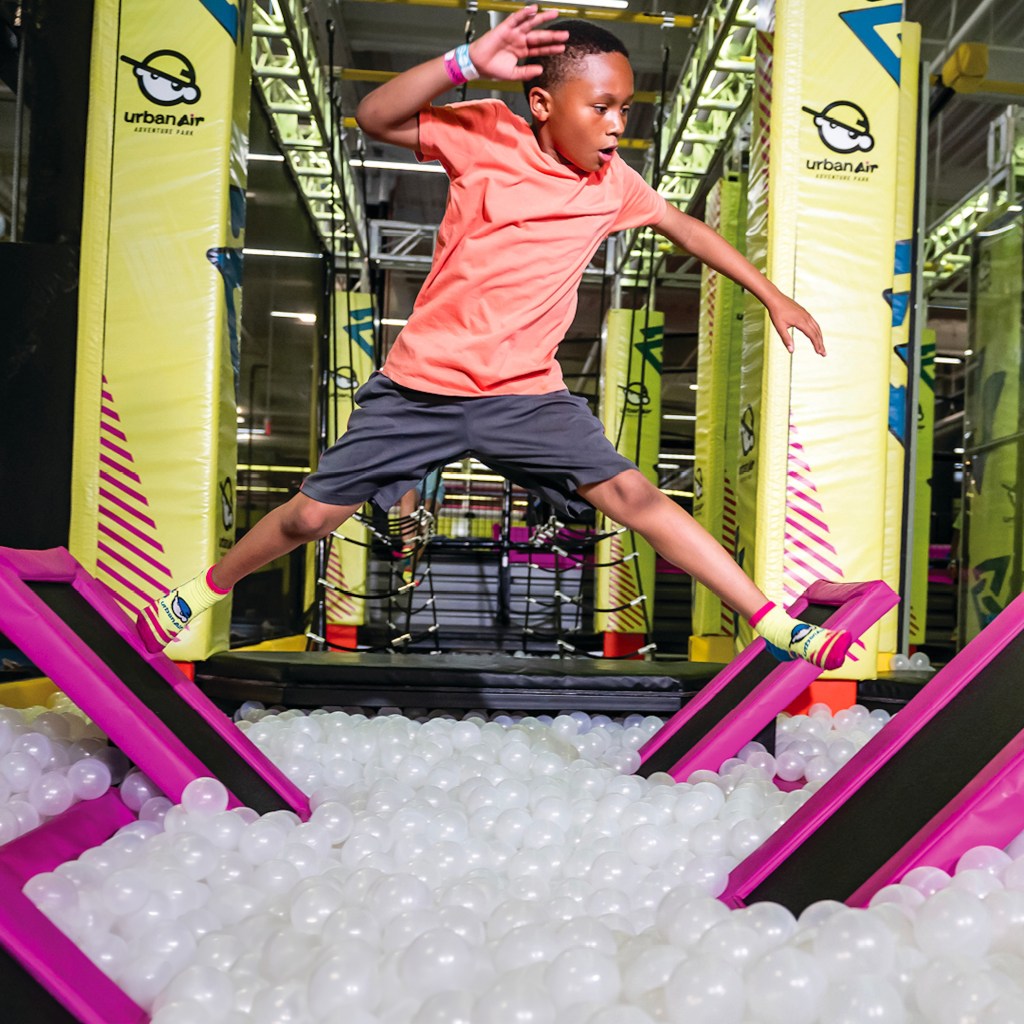
That’s how Browning found himself working alongside his father, building the first Urban Air Adventure Park by hand. They rented forklifts, laid wood and unloaded foam cubes, constructing the trampoline park from scratch.
“It was one of these things where I just had a huge passion for starting the business,” Browning tells Entrepreneur in a new interview. “The banks didn’t see it, landlords didn’t see it, people thought I was crazy, but I was committed to it, and it all worked out.”
In 2021, Browning founded Unleashed Brands, a unified franchise platform to help children learn, play and grow. Unleashed Brands, which includes Urban Air, The Little Gym, Sylvan Learning, Premier Martial Arts and Water Wings Swim School, has more than 1,600 locations nationwide and serves more than 25 million children.
Last year, the company did just over $1 billion in revenue, and Browning predicts it will reach that milestone again in 2026. In 2025, Unleashed Brands opened 133 new franchise locations, with more than 200 franchises in development.
The following interview has been lightly edited for clarity and concision.
Urban Air: from first park to franchise
How long did it take Urban Air to become a franchise?
Our first Urban Air location opened on October 28, 2011, so we’re coming up on our 15th year. Our first franchise opened on December 16, 2014, with a family in Wichita, Kansas, the Beckers, who are still franchisees today and now have multiple locations. Their general manager is opening a Little Gym, and the Beckers renewed their original franchise for another 10 years.
How did you make the first Urban Air location work despite the risk of failure?
It came down to how we viewed problems and adversity. My core operating philosophy is that problems are mile markers on the road to your destiny. People get rattled when problems show up; I see them as expected. You can pull over and quit, or you can go over, under, around or through them. We had to be gritty, curious and innovative.
When we started, we were only the sixth trampoline park in the country and didn’t really know what we were doing. We ran the business on one mantra: Keep guests safe, keep them happy and make money — in that order. Every decision went through that filter. My family and I worked every position — register, attraction monitor, janitor, party host — until we knew how to do each job with excellence. Then we trained and coached our staff to deliver an exceptional guest experience.
Learning about franchising
When did you realize your first Urban Air location could be a franchise, not just a single business?
I didn’t initially see franchising as a growth path. We had four family-owned locations in Dallas–Fort Worth when a guest, whose sister lived near our first location, kept calling and asking me to franchise the concept to him. The only thing I knew about franchising was from the movie The Founder about McDonald’s. I went and researched it, got mentors in franchising and decided I didn’t want to look back in 15 to 20 years and regret not exploring it.
Demand for the brand was strong, but I didn’t want to open and operate every location outside Dallas–Fort Worth myself. As I learned more, I realized franchising was an amazing model: people get a “business in a box” they can own and operate locally. I now teach Introduction to Franchising at a local college because I wish I’d understood it earlier. Too many people think entrepreneurship has to start from a blank sheet of paper; I believe franchising is one of the best models in America to stimulate entrepreneurship.
Starting Unleashed Brands
What was happening in your life when you decided to start Unleashed Brands?
I’m an entrepreneur and CEO, but I’m also a dad of three: a 14-year-old daughter, an 11-year-old daughter and a 6-year-old son today. If you rewind to Covid, those kids were roughly 1, 6, and 9 years old. At that time, we were only Urban Air, and we shut down all locations, like everyone else. We used those months to retool and examine what we’d built after years of hypergrowth. I realized we’d created a platform, a machine that knows how to sell, design, market, open and operate franchise businesses, and we had a large, powerful consumer database of families.
Coming out of Covid, my wife and I were sitting on the couch, both Googling activities for our kids, and I remember thinking: This is really hard and fragmented. Nobody had built a Marriott Bonvoy-like ecosystem for kids’ enrichment. That’s when it clicked: I was going to buy the world’s best youth-focused brands families already trust, connect them on a shared services infrastructure — same point-of-sale system, same tech stack, shared marketing and media — and simplify the youth enrichment journey for parents. It grew out of frustration as a parent. That’s how Unleashed was born.
Making strategic acquisitions
How did you launch Unleashed Brands — did it start with acquisitions?
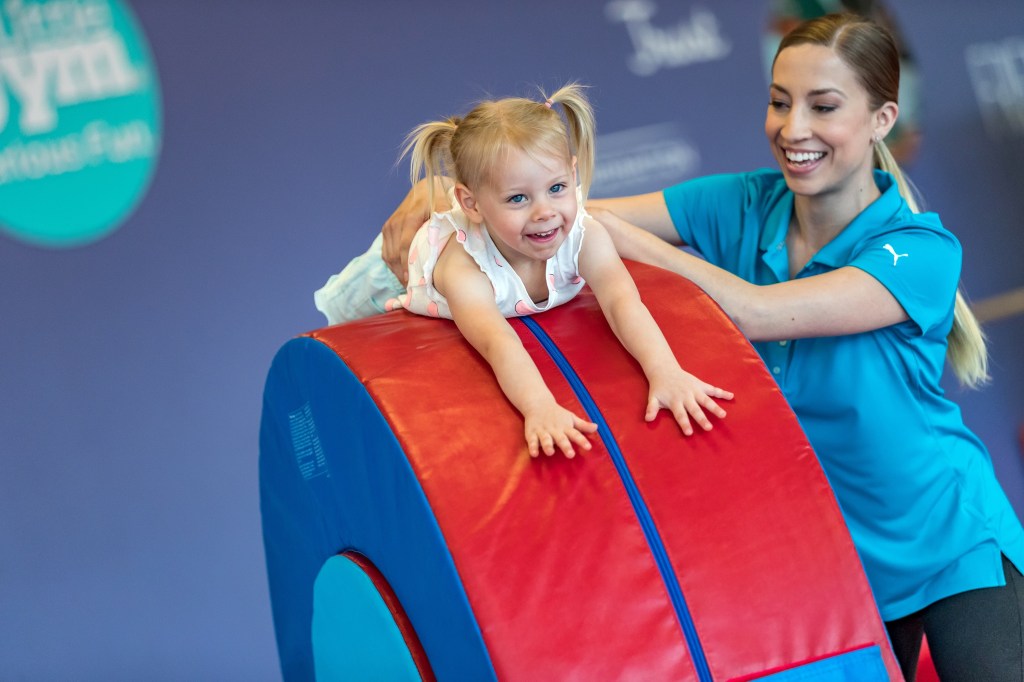
Yes. I started by articulating the thesis: We’re going to acquire the world’s best brands that help kids learn, play and grow. To become a true platform, I needed more than one brand. I targeted two brands my kids had personally experienced. The first was The Little Gym; my wife had taken our first daughter there at a local franchise in Dallas. I asked the franchisee who owned the business, got the owner’s number in Chicago, called and asked if they’d sell. They said The Little Gym wasn’t for sale; I said, “Everything’s for sale” and asked for their number. We worked through it.
The second was Snapology, a STEM education company. My daughter had done a Snapology camp during Covid and loved it — she learned engineering concepts and built a motion-sensor alarm for her bedroom door without realizing she was coding. I reached out to founder Laura Coe, shared the thesis, and she wanted to be part of it. Those two acquisitions in 2021 really launched Unleashed Brands as a platform.
How many brands does Unleashed Brands oversee now?
We have seven brands, organized under three pillars: Learn, play and grow. Urban Air sits in our play pillar. In the learn pillar, we have Sylvan Learning Centers, Snapology and Class 101, which focuses on college planning. In the grow pillar, we have The Little Gym, one of the largest gymnastics concepts; Water Wings, a swim school; and Premier Martial Arts, which focuses on Krav Maga.
Growth secrets
What tactics have you used to grow? What are your secrets?
I’m a very marketing-oriented CEO. If you want to be the best-kept-secret no one knows about, don’t market. A lot of people see marketing as an expense; I view it as an investment that takes time. You need reach, or the number of people who see your message, and frequency, or how often they see it, before they’ll act. Many entrepreneurs aren’t gritty or innovative enough in their marketing. When I started franchising, I didn’t know how to sell franchises or do franchise marketing. What I did know was that guests were coming into Urban Air, having a great time and later calling to ask if we could open a location in their town or if they could open one themselves.
Instead of jumping straight into sophisticated digital campaigns, I leaned into that. I put signs over the men’s urinals and on the backs of bathroom stall doors that said, “Want to be your own boss? Own an Urban Air franchise.” Everyone goes to the bathroom while they’re there, and they’re having a great experience in the park, so that message sticks. I’d bet a large percentage of our first 50 franchisees came from people who sheepishly admitted they saw those signs. It inspired them to consider being their own boss and bringing something fun to their hometown.
Advice for founders
What hard, concrete advice do you have for founders?
You have to be willing to get in the weeds and learn every part of the business. Every “overnight success” takes about 15 years; people only see the result after all the problems and learning. You need intimate knowledge of your company at every level. That means missed holidays, late nights, early mornings and being “on” 24/7.
There’s a misconception that being your own boss means working less. It’s amazing, but it carries a different weight. You also have to find fun in the daily grind — joy in the work itself, not just in the big deal or big sale. People say if you love what you do, you’ll never work a day in your life, but that doesn’t mean you won’t have problems. You need to love it so much that the problems never stop you, and you must be willing to work very hard.

