


Six months of conditional approvals reveal a broad range of accepted drone applications, while key details of the review process remain undisclosed
The Federal Communications Commission (FCC) has granted conditional approval to two additional drone platforms, continuing a steady expansion of exemptions from the agency’s Covered List restrictions for foreign-produced uncrewed aircraft systems (UAS).
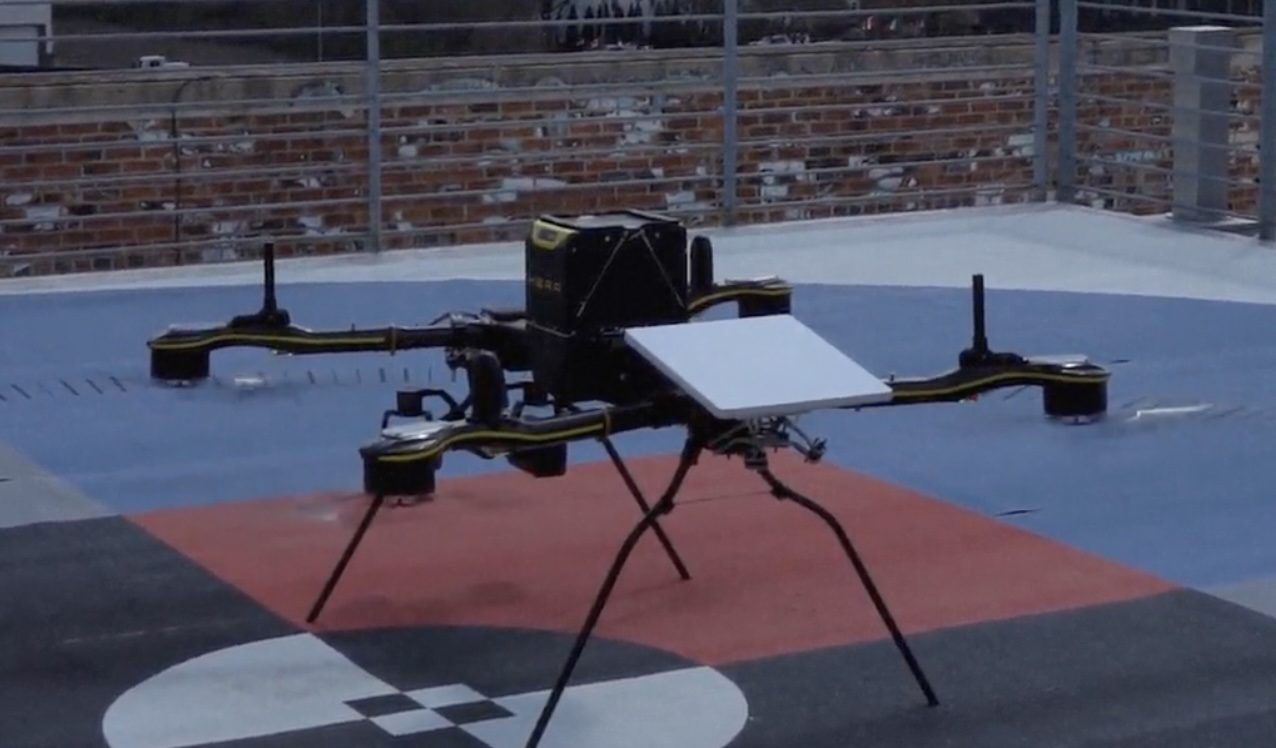
In a June 22 Public Notice, the FCC announced that the Department of War (DoW) granted conditional approvals for Real-Time Robotics‘ HERA Tactical Uncrewed Aircraft Systems Platform and Ceres Air’s C40, C31, C26, C20, and C6 aircraft systems. The approvals exempt those systems from the FCC Covered List through December 31, 2026. The Hera systems appear to be a multi-use commercial platform, while Ceres Air specializes in agriculture drones.
On its own, the announcement is relatively modest. Since March, the FCC has issued a series of similar notices covering individual manufacturers and platforms. Viewed together, however, those approvals provide a growing body of evidence about the types of drone systems that federal reviewers are willing to approve under the new national security framework.
A Growing List of Approved Systems
The FCC’s conditional approval pathway emerged after the agency added foreign-produced UAS and UAS critical components to the Covered List in December 2025. At the same time, federal officials established a process allowing manufacturers to seek exemptions if reviewers determined that specific systems did not pose unacceptable national security risks.
Appendix B of the latest FCC notice now includes more than a dozen approved drone systems and related technologies.
Those systems span a remarkably broad range of applications:
- Industrial inspection platforms, including systems from ScoutDI, Sees.ai, Verge, and Air6.
- Agricultural aircraft from Elevon Aerial, ABZ Innovation, and Ceres Air.
- Logistics and delivery systems from Blueflite and Air VEV.
- Indoor inventory and warehouse automation platforms from Verity.
- Public safety and drone-as-first-responder technology from Flock Safety.
- Educational platforms such as Innovation First’s VEX AIR system.
- Multi-use systems such as Real-Time Robotics’ HERA platform.
- Communications technologies from Mobilicom that support drone operations.
The diversity of the approved systems stands out. The list includes aircraft designed for agriculture, infrastructure inspection, inventory management, public safety, logistics, education, and tactical operations.
That variety suggests the review process is not centered on mission type alone.
More Than Military Drones
The composition of the approval list also challenges a common assumption that federal review efforts are primarily focused on military or defense-oriented systems.
While some approved platforms have defense or tactical applications, many serve routine commercial purposes. Agricultural spraying drones, indoor inventory systems, infrastructure inspection aircraft, and educational platforms all appear on the exemption list.
At the same time, the approved systems tend to be specialized enterprise platforms rather than mass-market consumer products.
That distinction may prove significant as the industry continues to adapt to evolving federal requirements. The FCC has not publicly explained whether different standards apply to enterprise and consumer systems, but the current list is heavily weighted toward professional and government-use aircraft.
What the Government Has Not Said
Despite the growing number of approvals, the federal government has provided little public detail about how systems are evaluated.
The FCC’s notice explains that DoW reviews submissions and may grant conditional approvals when it determines that specific devices do not pose unacceptable risks to national security. Beyond that, few details have been released.
The agency has not publicly described:
- How component sourcing is evaluated.
- Whether software architecture is reviewed.
- What cybersecurity standards applicants must meet.
- How ownership structures factor into decisions.
- Whether any applications have been denied.
- What criteria may be required for renewal after 2026.
Those unanswered questions remain important for manufacturers seeking to understand how to qualify under the framework.
A Trusted Supplier Framework Taking Shape
Six months after the first approvals were issued, one conclusion is becoming increasingly clear: the FCC’s exemption process is functioning as more than a narrow exception mechanism.
The growing list of approved systems suggests the federal government is building a practical pathway for drone manufacturers to demonstrate trustworthiness and gain access to U.S. government and public safety markets.
What remains less clear is exactly what characteristics define that trust.
Read more:

Miriam McNabb is the Editor-in-Chief of DRONELIFE and CEO of JobForDrones, a professional drone services marketplace, and a fascinated observer of the emerging drone industry and the regulatory environment for drones. Miriam has penned over 3,000 articles focused on the commercial drone space and is an international speaker and recognized figure in the industry. Miriam has a degree from the University of Chicago and over 20 years of experience in high tech sales and marketing for new technologies.
For drone industry consulting or writing, Email Miriam.
TWITTER:@spaldingbarker
Subscribe to DroneLife here.

