


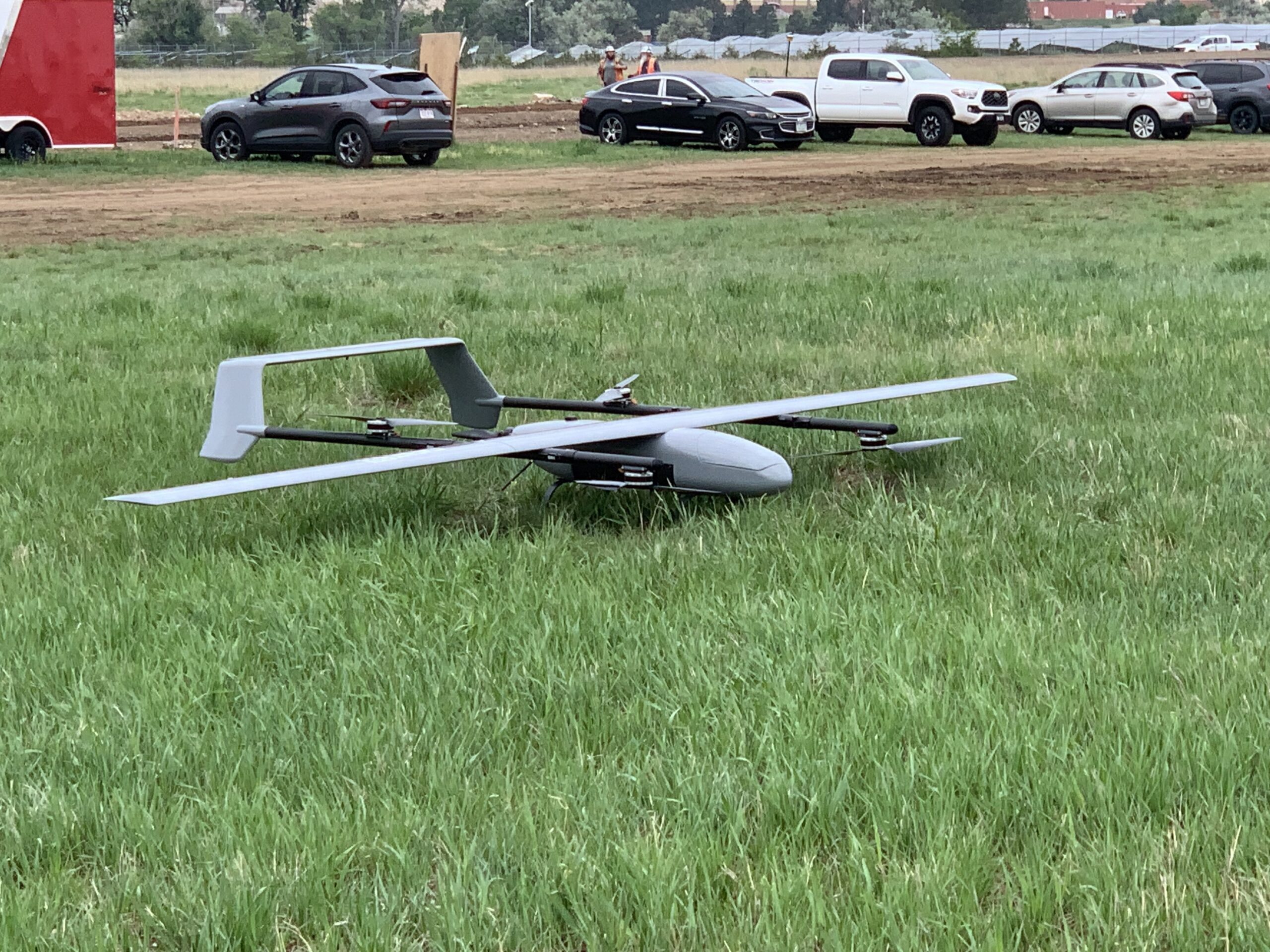
Event 38’s E455 becomes the first fixed-wing VTOL platform integrated with TB2 Aerospace’s modular DROPS system
Event 38 Unmanned Systems and TB2 Aerospace have announced a partnership to integrate TB2’s Drone Recharging Operational Payload System (DROPS) with Event 38’s E455 fixed-wing VTOL unmanned aircraft. While the announcement focuses on a new product integration, it also highlights a broader shift toward modular drone systems that can perform multiple missions using a common aircraft platform.
Rather than treating each aircraft as a dedicated tool for a single job, TB2’s approach is to standardize how drones carry, deploy, recover, and even power mission equipment. The concept is similar to standardized shipping containers, which transformed global logistics by allowing cargo to move seamlessly between ships, trains, and trucks. In this case, the goal is a common interface that allows compatible aircraft to autonomously exchange mission-specific payloads.
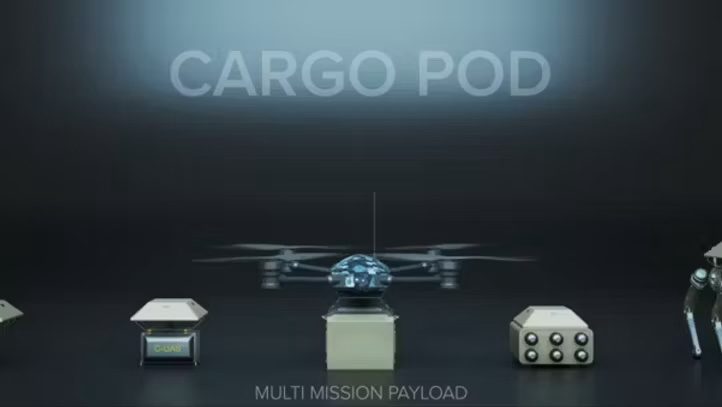
A Standard Interface for Multiple Missions
Despite its name, DROPS is more than a cargo delivery system. The platform is designed to autonomously capture, launch, deliver, and recover payloads without human intervention. It also supports optional supplemental power supplied through the payload itself, extending the range of electric aircraft.
The system is intended to work with different payload modules rather than a single specialized package. That means one aircraft could be configured for a range of missions by changing compatible payloads instead of requiring a different aircraft or extensive redesign.
Potential applications include defense resupply, deployment and recovery of remote sensors, communications relay equipment, public safety operations, and commercial infrastructure inspection. In many of these missions, the ability to retrieve expensive equipment after deployment may be as valuable as delivering it.
Why the E455?
Event 38’s E455 is a logical platform for demonstrating the concept. The fixed-wing VTOL aircraft combines the efficiency and endurance of a conventional airplane with vertical takeoff and landing capability. Its removable payload bay and open architecture simplify the integration of specialized mission equipment, while its U.S. manufacturing and NDAA compliance align with government procurement requirements.
According to the companies, the combination of the E455 and DROPS creates a flexible system that allows operators to deploy multiple aircraft configured for different missions while maintaining a common airframe and payload interface.
Moving Toward Modular Drone Systems
The partnership reflects a growing emphasis across the drone industry, particularly in the defense space, on modular, interoperable systems that can adapt to changing mission requirements without redesigning the aircraft itself. A standardized payload interface could reduce integration time while allowing operators to deploy new capabilities more quickly.
It also aligns with broader trends in the U.S. market. As defense and government customers increasingly prioritize open architectures, secure supply chains, and domestically manufactured platforms, combining a platform-agnostic payload system with a U.S.-built, NDAA-compliant aircraft may offer advantages beyond the technology itself.
Read more:

Miriam McNabb is the Editor-in-Chief of DRONELIFE and CEO of JobForDrones, a professional drone services marketplace, and a fascinated observer of the emerging drone industry and the regulatory environment for drones. Miriam has penned over 3,000 articles focused on the commercial drone space and is an international speaker and recognized figure in the industry. Miriam has a degree from the University of Chicago and over 20 years of experience in high tech sales and marketing for new technologies.
For drone industry consulting or writing, Email Miriam.
TWITTER:@spaldingbarker
Subscribe to DroneLife here.

