


May 19, 2026
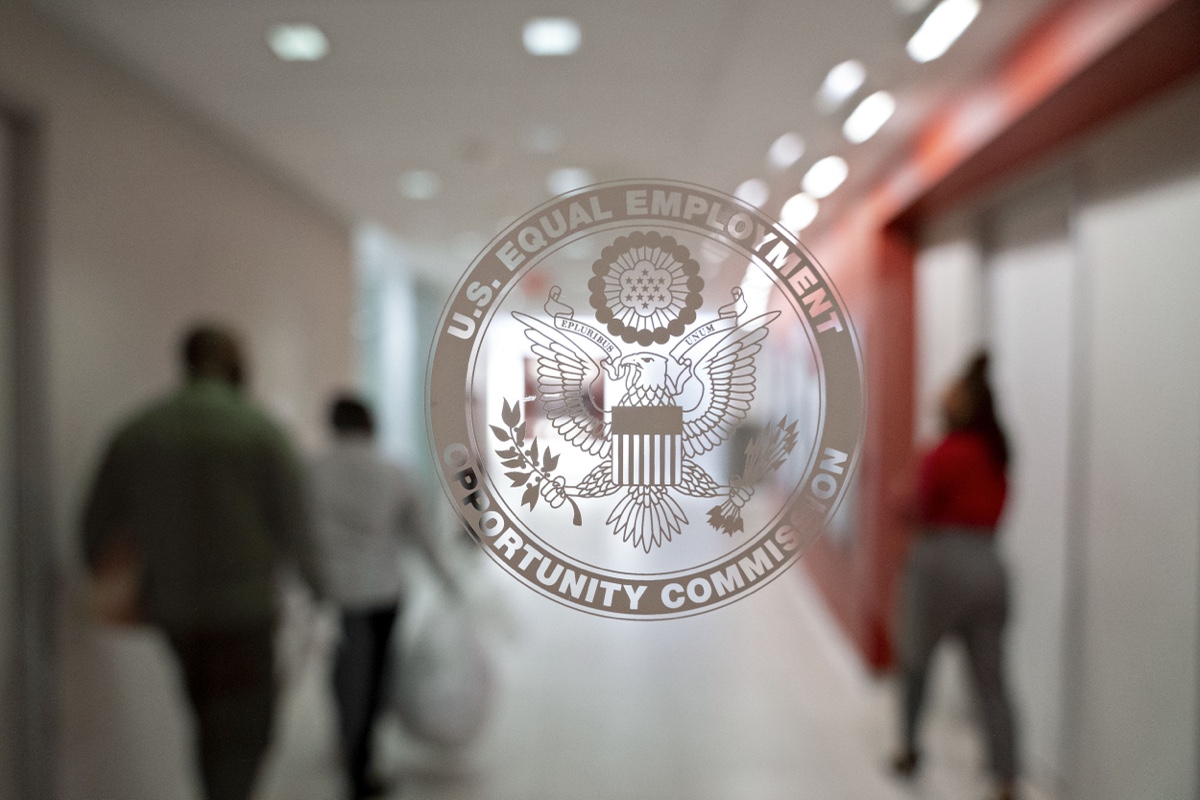
The U.S. Equal Employment Opportunity Commission is suggesting an end to mandatory demographic reporting.
The Equal Employment Opportunity Commission, the nation’s top workplace civil rights agency (EEOC), is considering a major rollback of diversity data collection requirements that have been in place for decades. Critics say this change in workforce tracking could diminish the federal government’s ability to spot employment discrimination across the United States.
The EEOC is suggesting an end to mandatory demographic reporting. This reporting has required large employers to submit workforce data related to race, sex, and national origin since the civil rights era of the 1960s. The proposal was first reported May 15 by The Washington Post.
If approved, these changes would also remove reporting requirements for apprenticeship programs, labor unions, schools, and state and local governments. Requirements connected to laws protecting pregnant workers and individuals with disabilities could also be reduced.
This proposed shift comes as the Trump administration continues broader efforts to reduce diversity, equity, and inclusion initiatives across the federal government and private sector. Civil rights lawyers and former EEOC officials argue that the reporting system has long been one of the agency’s main tools for finding patterns of discriminatory hiring, pay, and promotion practices.
Civil rights activist Noreen Farrell told MS Now, “First, they dismantled workplace protections. Then they gutted DEI programs. Now, as women abandon careers in record numbers, they want to stop counting. This is what systematic discrimination looks like.”
Employment lawyer Christine Webber told The Washington Post that the rollback would conflict with other recent EEOC investigations where the agency sought demographic information from institutions under federal review. Former agency leaders have also warned that ending data collection might make it much more difficult to prove cases of systemic discrimination in court.
“They know perfectly well that the EEOC needs data like that to do its job of enforcing the antidiscrimination laws. Because if you want to show a pattern of conduct, a pattern of decision-making, data is an essential ingredient.”
The EEOC’s EEO-1 reporting system currently applies to companies with more than 100 employees and certain federal contractors. Supporters of maintaining the database say the information has been vital for tracking workforce inequities and enforcing Title VII protections.
The proposal has not been finalized and is expected to undergo a public review process after notifying the White House. Legal experts have advised employers to continue collecting demographic workforce data while the current anti-discrimination laws remain in effect.
RELATED CONTENT: Underground Railroad Museum Sues Trump Admin, Says Federal Grant Was Axed Due To Race

