


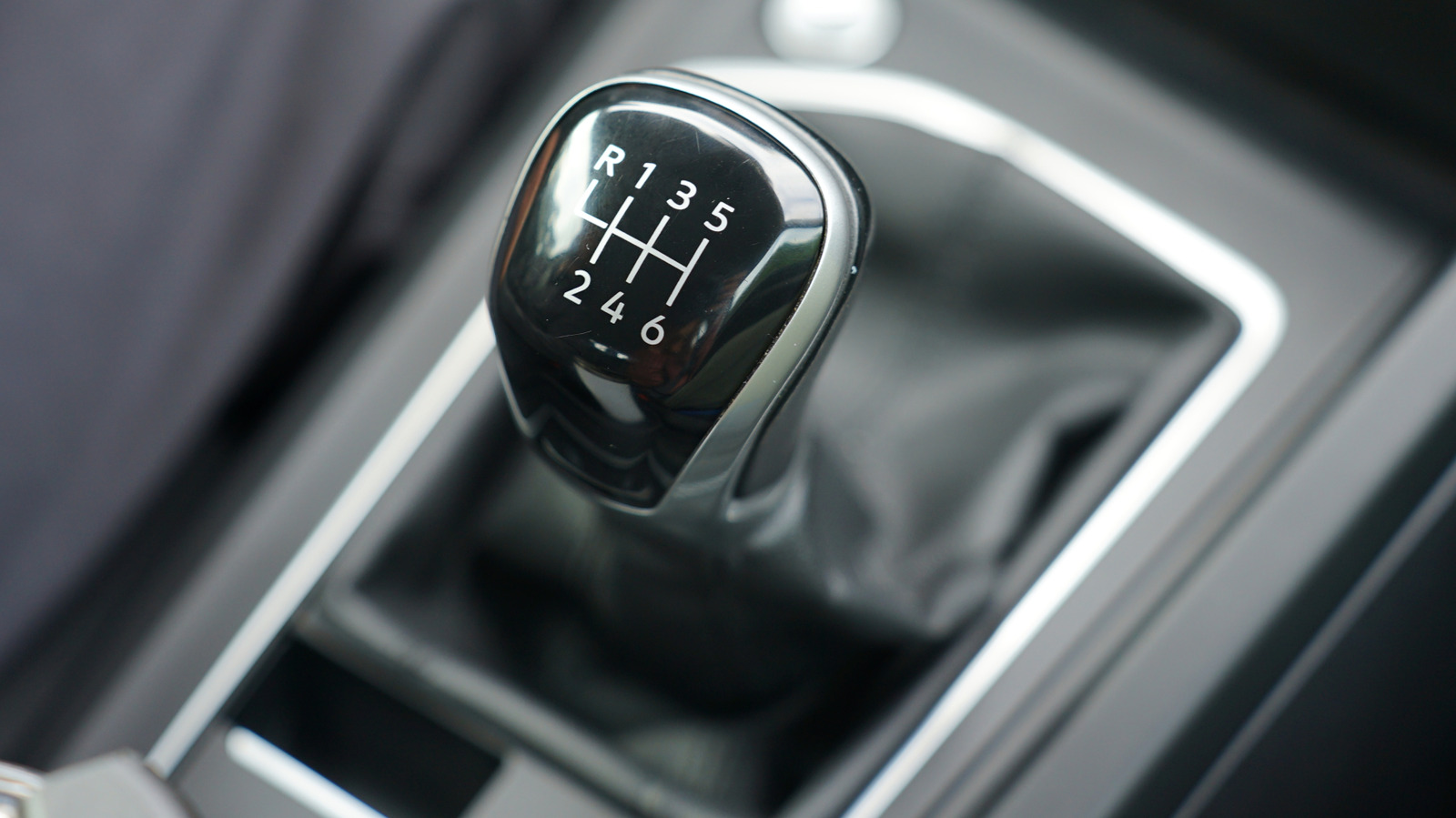
Driving a manual transmission makes you 38.7% cooler and more attractive than driving an automatic. I just made that number up, but it sounds about right. Someone who actually knows what he’s talking about, neuroscientist Ryuta Kawashima, says that it also engages your brain, exercises your cognitive functions, and may even help prevent dementia as you get older, reports Best Car Web.
Kawashima is a professor in the Department of Functional Brain Imaging, Institute of Development, Aging and Cancer (IDAC) at Tohoku University. Gamers may recognize his name from Nintendo’s “Brain Training” for the Switch and “Brain Age” games for earlier systems. These games test you on brain exercises designed to keep your mind sharp and preserve cognitive functioning.
Operating a manual transmission has a similar effect on your brain, Kawashima says. The mental process of choosing the correct gear, plus the physical process of operating the clutch, gas, and shifter, all while maintaining situational awareness as you would in any car, engage the prefrontal cortex. This is the part of your brain that manages memory, attention, and decision-making. Like a physical muscle, it maintains or increases strength from regular use, or atrophies without it. So basically, making your daily commute in a manual transmission car exercises your brain and keeps it sharp. It’s also a whole lot more fun than doing math problems and memory exercises, even if Nintendo did turn them into a game.
Save the manuals, and the manuals save us
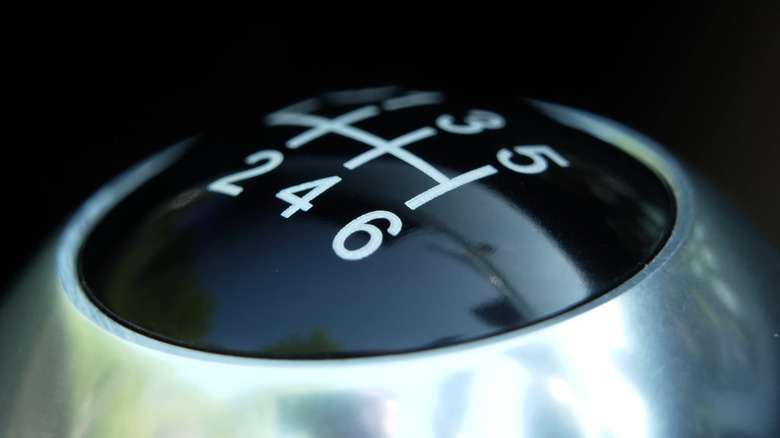
We know through experience that manuals keep you more connected to what the car is doing. This is particularly appealing to enthusiasts, since unlike the average commuter, we actually enjoy it, too. Understanding this through experience is one thing, but corroboration from a neuroscientist who has studied brain function development and dementia prevention for many years takes it to another level of credibility.
As the number of vehicles that offer manual transmissions at all continues to decrease, we can thank the youths, rather than the olds, for keeping it going. A survey by Mini revealed that 67% of respondents between the ages of 18 and 34 want to learn how to drive a manual. Mini is all too happy to arrange the opportunity to do so, and there are other ways the art of the stick as well.
One point I noticed that other reports haven’t picked up on is that these cognitive benefits come from “regularly driving geared vehicles.” That includes not just manual transmission cars, but motorcycles as well. Sure, you shift with your foot and operate the clutch and throttle with your hands, but the mental process of selecting the right gear is the same. We’ve written about this before, and it’s still true. It’s even better that we now know that driving a stick and riding a motorcycle are literally good for your brain, as well as your soul.

