


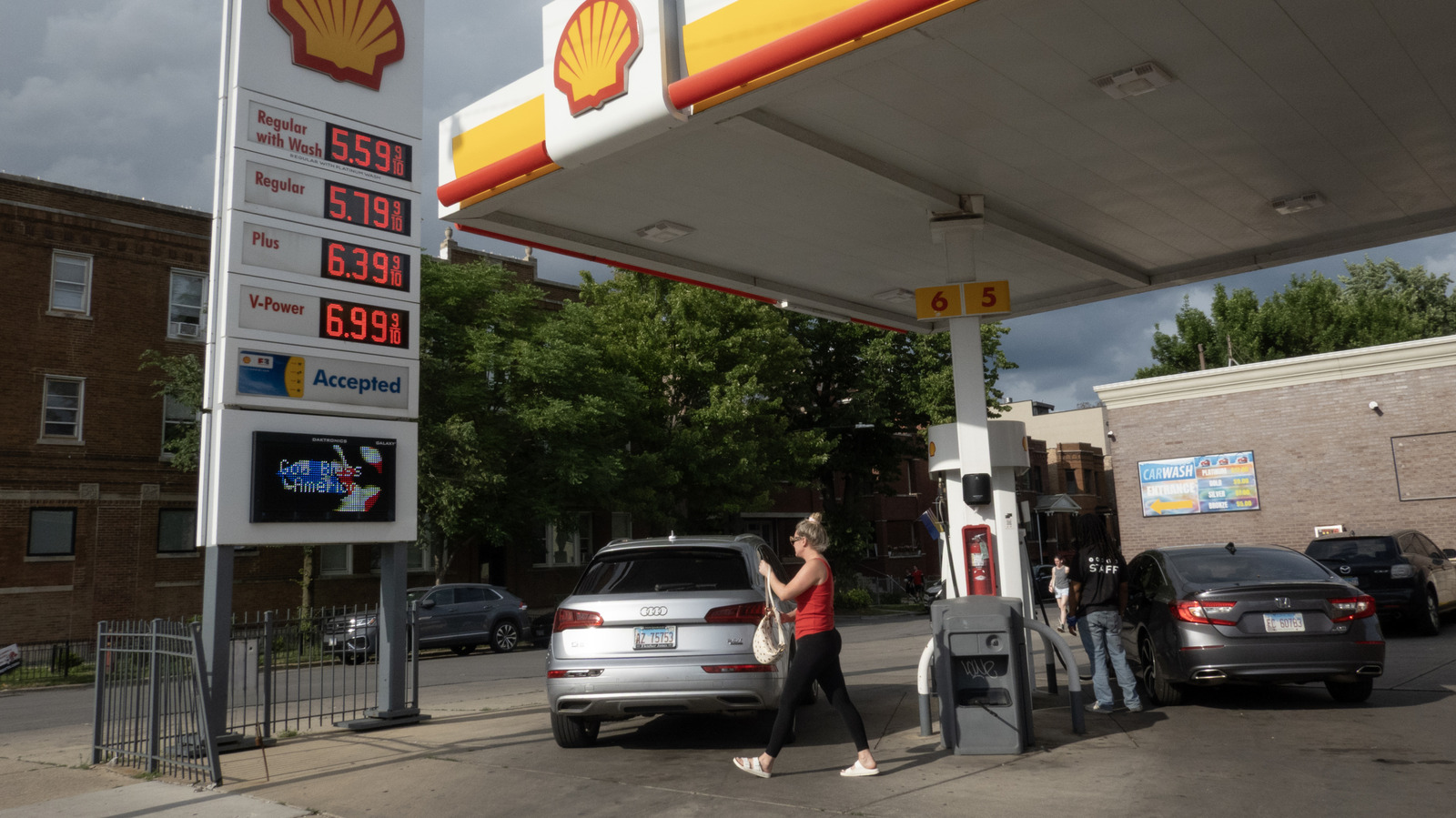
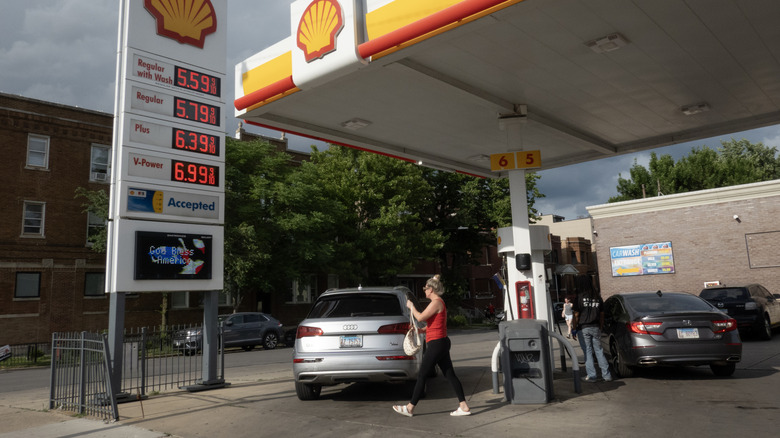
If you’re reading Jalopnik, odds are that you’re a car enthusiast, and if you’re a car enthusiast, you probably pay attention to the manufacturer-recommended fuel grade for your car. However, there are a hell of a lot of non-car enthusiasts out there who don’t play by the same rules we do. So, as the delta between regular and premium gas prices continues to grow, more and more of them are forgoing higher-octane fuel for regular degular 87.
Data shows that between June 22 and June 25 of this year, daily sales of premium gas were down just about 5% by volume compared to the average from February — just before the U.S. and Israel’s war with Iran broke out and rapidly spiked fuel prices across the world, according to Bloomberg. During the same four-day period, mid-grade sales were down 2% and regular gas sales were up just about 10%. This data apparently matches a broader trend in which drivers have stopped purchasing higher-grade gasoline since the start of the war.
It should be noted that this isn’t exactly a new phenomenon, though. When fuel prices rise, regular “almost always” eats into premium sales, head of petroleum analysis at GasBuddy, Patrick De Haan, told Bloomberg. It’s not just drivers who — for one reason or another — prefer premium even when their car doesn’t require it. It’s also folks who drive expensive, luxury or high-horsepower cars that technically require premium in order to run at an optimal level who are making the switch. Maybe they’re holding out hope their cars’ EMS can sort out the difference or they’re not afraid of a little knocking every once in a while, but they’re braver than me; that’s for sure.
The delta
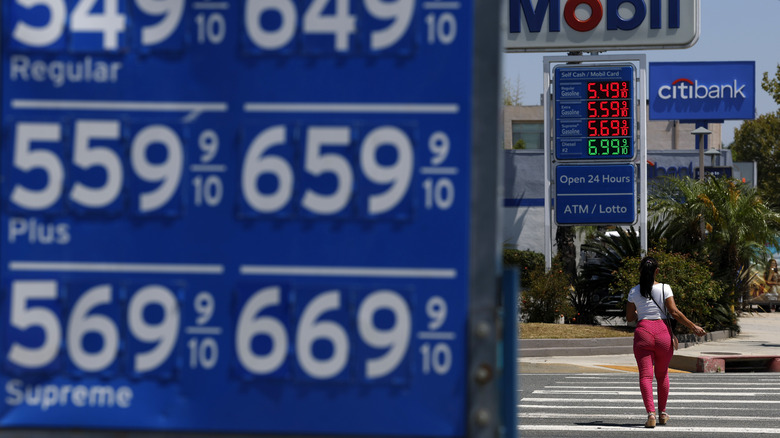
There is, admittedly, a massive gap between regular, mid-grade and premium gas prices right now. As it stands, the average price of a regular gallon of gas is $3.79, the average price of mid-grade is $4.29 and the average price of premium is $4.67, according to AAA. It means there’s an 88-cent difference between regular and premium gas prices, and that’s pretty damn close to an all-time high, Bloomberg reports.
Now, let’s take a look at where prices were a year ago. Regular sat at $3.14, mid-grade was $3.61 and Premium was $3.97. That works out to be an 83-cent difference. While a 5 cents might not sound like a ton, it can certainly add up over time, and there’s a possibility that the delta could grow to about a dollar by the end of the year.
Another little caveat to add to all of this is the simple fact that more and more new cars are being sold that require or recommend premium gasoline. It does make some sense. Newer engines have to meet more stringent emissions standards, burn cleaner and be as efficient as possible, so a premium fuel recommendation fits in with those ideas. The issue is, cars that normally wouldn’t have premium fuel recommendations are suddenly getting them. So, folks are buying cars that don’t necessarily fit in with the perceived idea of “premium” gas and ignoring it. Anything to save a buck, I suppose.

