


Convenience is the cornerstone of modern consumer capitalism. A customer, using their cell phone, can conceivably get anything delivered to their doorstep. However, this convenience model depends on low-paid delivery drivers, especially in food delivery — drivers that rely heavily on tips. And it turns out that tipping plays a significant role in how fast those drivers head your way, according to a recent study published in Transportation Research Interdisciplinary Perspectives.
The qualitative study took the unorthodox approach of scouring reddit posts and comments to get an insight into the minds of app-based food delivery drivers. Researchers found that, while there wasn’t a consensus among drivers about speeding at work, speeders willingly admitted why they did it, and the decision largely came down to money. The study noted one comment, which reads:
“I am going to perform my best for the highest bidder. My speed limit is very dependent on my tip, no tip definitely under the speed limit, big money what speed limit. But that’s [just] me.”
The study found that drivers would feel an obligation to the customers after seeing a large advance tip. It’s an obligation that didn’t emerge in situations where customers texted drivers to be fast, instead of sending extra money in advance.
The stick is just as effective as the carrot
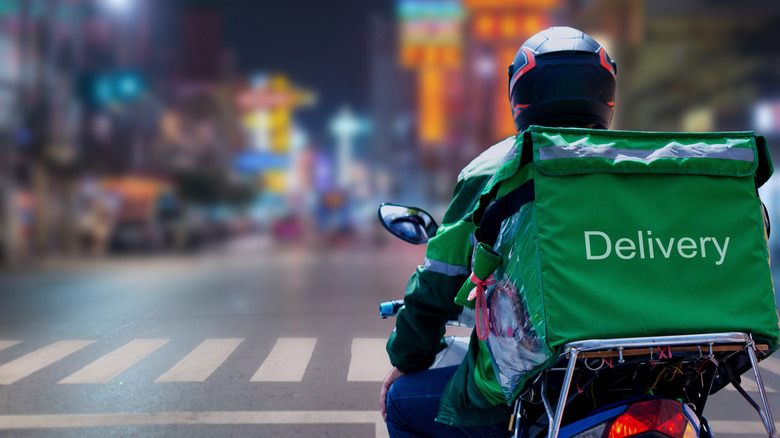
Drivers speeding for tips might sound like a convenient scapegoat for those working behind the wheel, but the app operators have features that encourage speeding as well. The fear of failing to make deliveries on time led drivers to speed in a digital-age revival of “30 minutes or less” pizza delivery. A driver’s comment featured in the study reads:
“I don’t pay a lot of attention to my arrival time history, but it kind of bothers me that to be on time for about 75 percent of my trips, I’d have to exceed the speed limit rather a little bit.”
However, the likelihood of a driver speeding was also tied to their experience using the app itself. More knowledgeable drivers were aware of methods to game the system and buy themselves more time. They could input that timely orders were still being prepared by the restaurant. On the other hand, novice drivers were laser-focused on meeting the app’s metric even if it meant unintentionally endangering themselves.
Many municipal governments across the country are starting to hold food delivery operators accountable for how they treat their gig drivers. In New York City, where most deliveries are made via e-bike, Mayor Zohran Mamdani proposed expanding required delivery training and establishing safe, city-enforced delivery-time standards. No one’s safety should be endangered because someone’s desperate for their burrito to arrive a few minutes earlier.

