


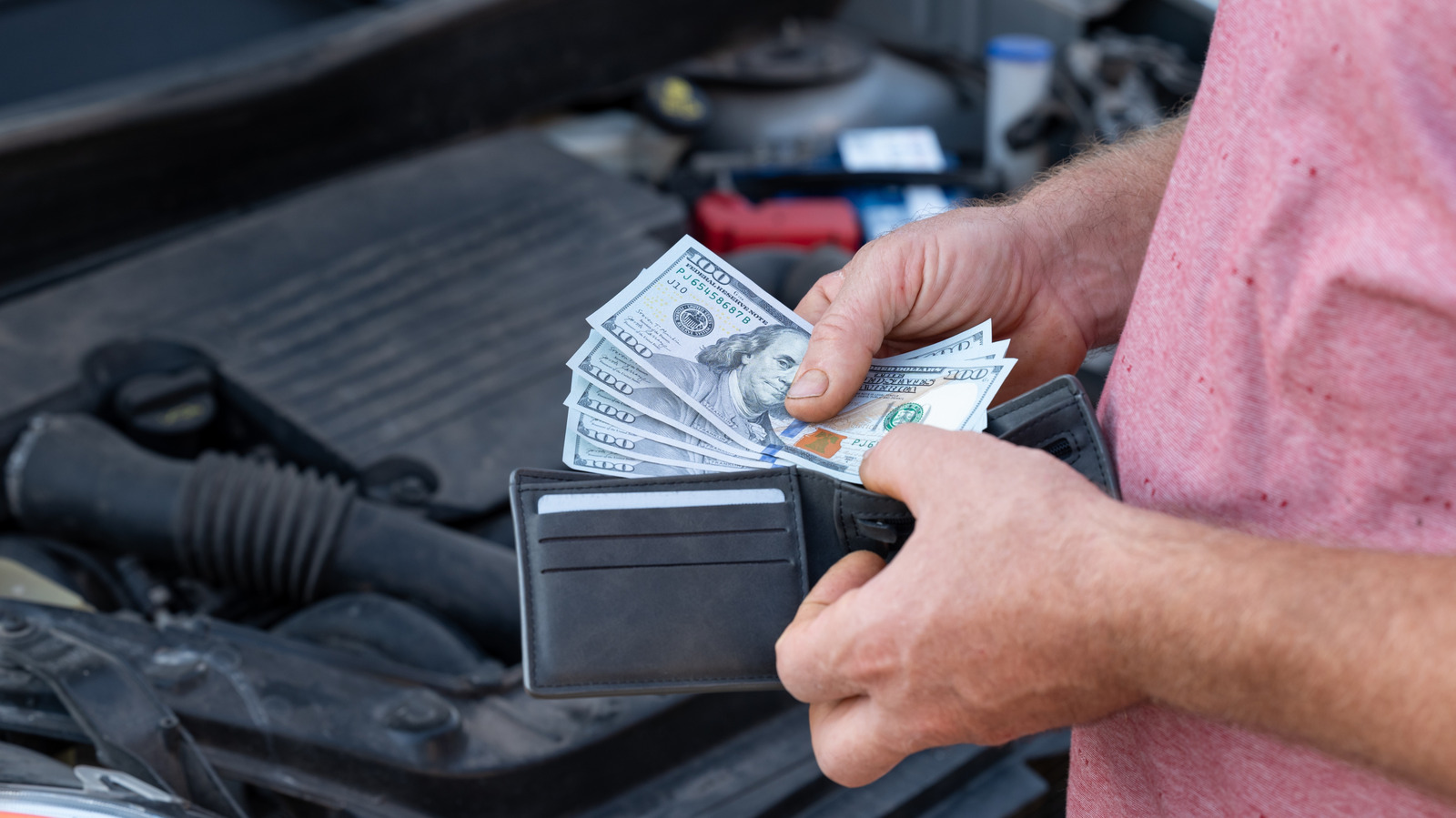
Most cars are known to be terrible investments; they need expensive fuel to keep them running, they require pricey maintenance to make them last longer, they require insurance to keep them on the road, and new cars lose a significant percentage of their value as soon as they’re driven off the dealer lot. New cars are more expensive than ever right now, which has more people turning to the used car market or resorting to keeping their older car for longer, but the financial benefits of those choices are also fading because repair costs are higher than ever before, too.
If you’re hoping for some relief, I regret to inform you that this pricey phenomenon cannot be attributed to any one single easily addressable factor. Instead, it’s a miserable shitstorm of factors including the increased complexity and advanced technology in modern cars, senseless tariffs, rising supply chain and labor costs, and a shortage of skilled technicians. According to 2026 Consumer Price Index data, motor vehicle maintenance and repair grew by 2.1% in January, 2.4% in February, 1.9% in March, 1.4% in April, 1.5% in May, and a further 2.1% in June. Overall, those numbers are around 5% higher compared to the same period in 2025.
More technology and more features means more to go wrong
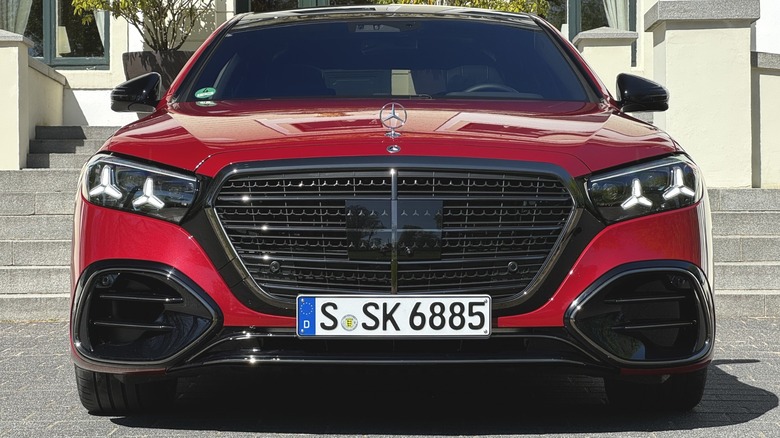
We are lucky enough to live in a world where almost all of the cheapest cars on the market have air conditioning, power windows, cruise control, Bluetooth connectivity, and enough airbags to legally qualify as a bouncy house. But features like those, and the even more advanced ones like Advanced Driver’s Assistance Systems (ADAS), backup cameras, parking sensors, infotainment screens, and app connectivity, are all delicate technologies that can easily be damaged or malfunction.
The cars of yesteryear had wind-up windows, no AC, a simple AM/ FM radio, and big ugly plastic bumpers, which were much easier to repair and thus much cheaper to repair. As the saying goes, more money, more problems. A 2023 study by AAA found that ADAS repairs make up for over one-third of repair costs following a crash, and even repairs as simple as a windshield replacement becomes much more involved (and pricey) when the technicians have to recalibrate the forward-facing cameras.
While complex technological advancements are likely the primary cause of the increased repair costs of new cars, there are other factors that are having a more immediate impact, including inflation, global supply chain issues, tariffs, and folks keeping their cars for longer periods of time, leading to larger, costlier repairs. At this point, it’s a choice between the lesser of two evils: keep the old car and bear the brunt of pricey repairs, or buy a new car and deal with high car payments and repair costs that are covered either by your warranty or costly insurance.

