


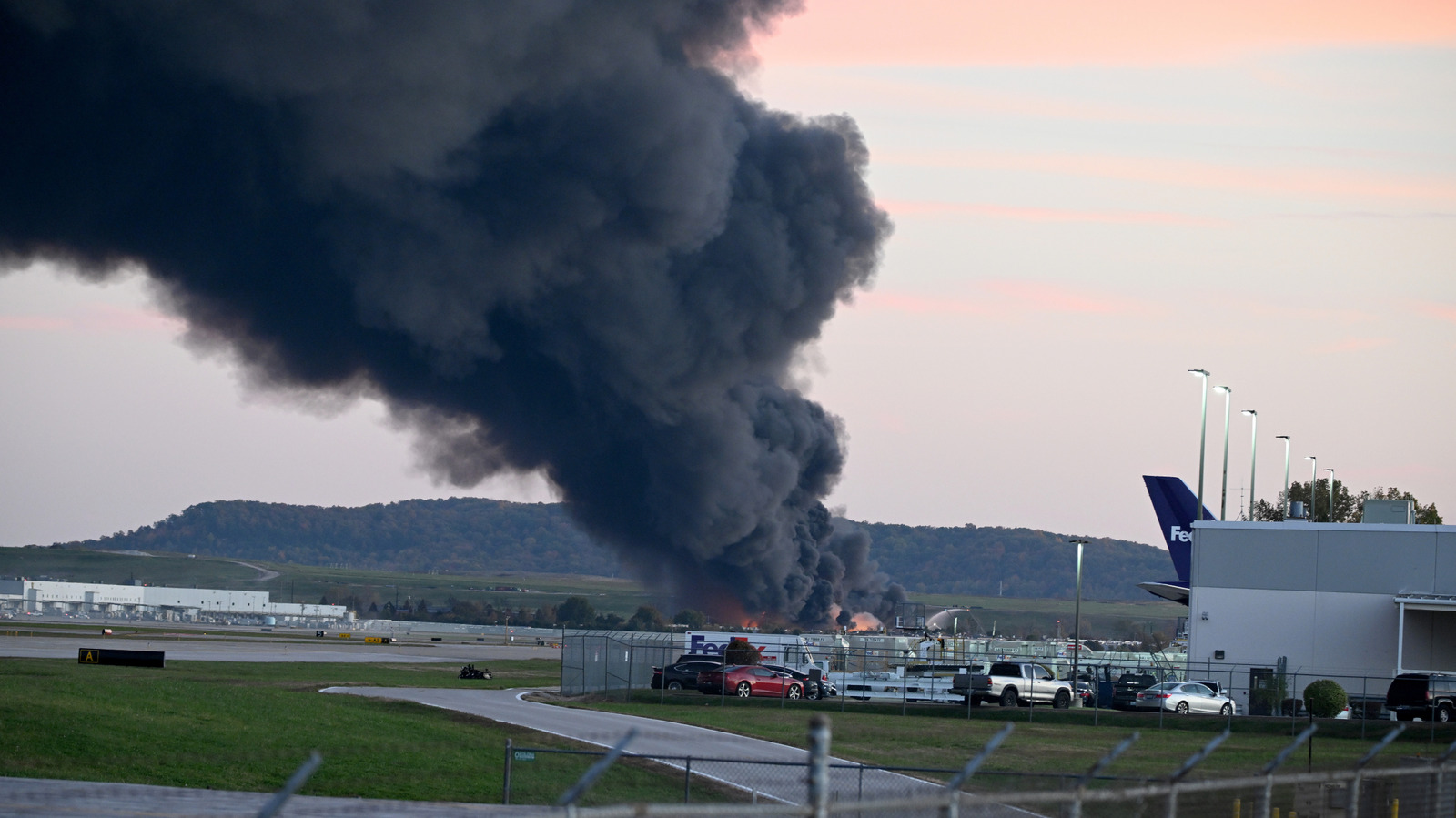
The crash of a United Parcel Service MD-11 cargo jet last November near Louisville, Kentucky, tragically claimed the lives of all three crewmembers on board, as well as those of 12 people on the ground. The Federal Aviation Administration acted quickly, grounding all MD-11s in the U.S., while the National Transportation Safety Board launched an investigation that concluded in its initial report that a cracked left engine mount was to blame. The crash itself was already tragic enough, but following a new NTSB hearing on the crash, the Guardian reports that cracks in that engine mount had already been discovered before the crash but weren’t reported.
While the NTSB has already released its initial report, the board released an additional 2,000 pages of documents to coincide with the hearing and claimed the plane that ultimately crashed had been brought in to replace a different plane that couldn’t fly until UPS fixed an fuel leak. The NTSB also revealed evidence that Boeing knew some MD-11s were experiencing cracked engine mounts:
Between the crash and the NTSB hearing, the board said that a cracked part on the doomed jet was flagged in a Boeing 2011 report which said there had previously been four such failures on three different airplanes.
The NTSB said its investigation had found fatigue cracks in a support structure on the left pylon that connects to the wing and the plane’s engine known as the bearing race.
The agency also said there were a series of reports of cracks in race parts on MD-11 planes in the prior decade.
More to come
The NTSB’s hearing is scheduled to continue for a second day, so we likely still have a lot to learn about the crash, which also injured 23 others when an auto parts recycling center caught fire. But according to Kentucky’s WDRB, investigators “found records of 10 previous flaws in the same key parts that help secure engines to wings of other similar planes, and most of them were never reported to the FAA.” You’d like to think giant corporations would care about those kinds of things, but apparently not.
Why those flaws were largely unreported and why the federal government didn’t step in earlier were reportedly to two main focuses of the day. According to representatives of both UPS and the FAA, the reports that were submitted were too vague to fully understand the scope of the issue or the risks involved if they failed to take action.
In the video above, you can see the NTSB’s explanation of exactly which part failed and how. According to UPS Senior Director of Engineering David Springer, Boeing’s service reports made the cracks in the engine mounts that it had found “sound almost benign,” adding, “I think if we would have known that at UPS, I think we would have asked a lot of different questions over the years.” Of course, UPS also has plenty of reasons to do its best to ensure Boeing takes the majority of the blame here, since WDRB also reports the board presented evidence that the delivery service should have caught the problem before 15 people died:
Examining the wreckage, investigators found cracks in some of the parts that held the engine to the wing, the NTSB said. Those cracks hadn’t been caught in regular maintenance, which raised questions about the adequacy of the maintenance schedule. The last time those key engine mount parts were examined closely was in October 2021, and the plane wasn’t due for another detailed inspection for roughly 7,000 more takeoffs and landings.
While the NTSB probably won’t release its final report until next year, hopefully, day two of the hearing at least paint a clearer picture of how a UPS plane crashed just after takeoff.

