


Drone maker argues FCC relied on broad assumptions instead of company-specific analysis
In a sharply worded filing with the Federal Communications Commission (FCC), drone manufacturer Autel Robotics is pushing back against the agency’s decision to place its products on the FCC’s Covered List. The filing makes one point especially clear: Autel does not want to be treated as interchangeable with DJI.
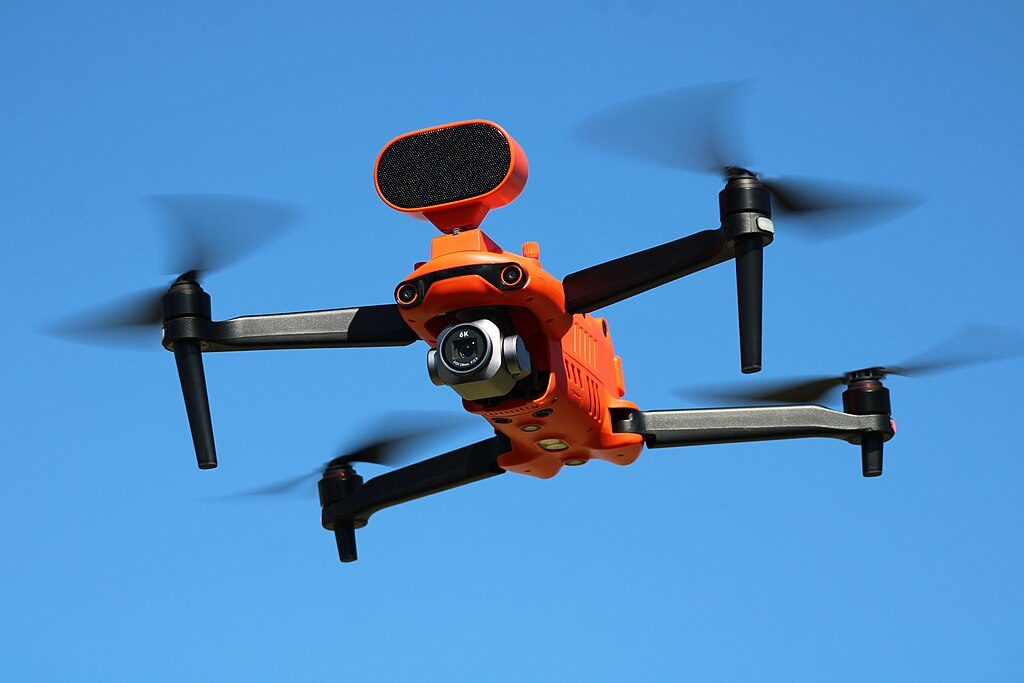
The filing, submitted in response to the FCC’s recent Covered List actions, argues that the agency relied on broad national security assumptions instead of conducting an individualized review of Autel itself. The tone of the document is notably direct, signaling growing frustration among foreign drone manufacturers facing new restrictions in the United States.
At issue is the FCC’s expanding use of the Covered List, a national security framework originally focused on telecommunications infrastructure. In late 2025, the FCC moved to add all foreign-produced unmanned aircraft systems (UAS) and certain critical drone components to the list, dramatically broadening the policy’s impact across the drone industry.
The move means that future products from affected companies may not receive the FCC authorizations needed for legal operation in the United States.
“Swept Into a Category”
Among other arguments, Autel’s filing repeatedly argues that the FCC failed to distinguish between companies, technologies, and supply chains.
Rather than evaluating Autel independently, the company argues, the FCC treated foreign drone manufacturers as a single category associated with broader geopolitical concerns.
The filing suggests that the FCC relied heavily on external determinations and generalized national security claims rather than evidence specific to Autel products or operations.
That distinction matters because the debate around drones in the United States has increasingly shifted away from individual manufacturers and toward broader supply chain policy.
In practical terms, the FCC’s current approach does not focus only on named companies. It also targets foreign-made drones and key components more broadly. Industry observers have noted that the shift represents a major expansion of the Covered List framework beyond its original telecommunications focus.
Autel’s filing pushes directly against that broader approach.
While the company stops short of attacking DJI directly, the message is difficult to miss: Autel believes the FCC improperly grouped very different companies together under a single regulatory framework.
The Covered List Debate Continues
The FCC’s Covered List has become one of the most significant regulatory issues facing the drone industry.
Originally created under the Secure and Trusted Communications Networks Act, the list identifies communications equipment and services that the FCC determines pose national security risks. Over time, the policy has expanded into the drone sector as lawmakers and regulators raised concerns about foreign-made aircraft and components.
The issue has become particularly important because FCC authorization affects whether new drone products can legally enter the U.S. market.
Current drones already in operation are generally unaffected. However, future products may face significant barriers if manufacturers cannot obtain FCC equipment authorization.
The FCC has also created limited pathways for exemptions and conditional approvals. Earlier this year, the agency released guidance outlining how some drone systems may qualify for authorization under specific conditions.
That process remains closely watched across the industry.
DJI Has Also Filed a Challenge
Autel is not alone in opposing the FCC’s actions.
DJI has also challenged the agency’s Covered List decision through both administrative filings and litigation. DJI’s arguments focus heavily on the impact to users, market access, and the FCC’s authority to impose broad restrictions on future products.
The parallel filings reveal an important shift in the drone industry.
For years, policy discussions often treated foreign drone manufacturers as a single issue tied to supply chain security. The current legal challenges suggest that manufacturers are increasingly trying to separate themselves from one another as regulatory pressure grows.
Autel’s filing may be the clearest example yet of that strategy.
Rather than arguing only against the restrictions themselves, the company is also arguing against being treated as part of a single category.
A Broader Industry Shift
The dispute comes as the United States continues efforts to strengthen domestic drone manufacturing and reduce reliance on overseas supply chains.
Federal agencies, lawmakers, and industry groups have all increased focus on building U.S.-based drone production capacity and securing access to critical components.
At the same time, the FCC’s actions are raising difficult questions about how broad future restrictions should become and how regulators should evaluate individual companies.
Autel’s filing highlights that tension directly.
As the FCC continues reshaping drone policy through supply chain regulation, manufacturers are signaling that they want company-specific scrutiny rather than industry-wide assumptions.
For now, the legal and regulatory battle continues. But Autel’s response makes one thing clear: not every drone manufacturer is willing to accept being treated as part of a single geopolitical category.
Read more:

Miriam McNabb is the Editor-in-Chief of DRONELIFE and CEO of JobForDrones, a professional drone services marketplace, and a fascinated observer of the emerging drone industry and the regulatory environment for drones. Miriam has penned over 3,000 articles focused on the commercial drone space and is an international speaker and recognized figure in the industry. Miriam has a degree from the University of Chicago and over 20 years of experience in high tech sales and marketing for new technologies.
For drone industry consulting or writing, Email Miriam.
TWITTER:@spaldingbarker
Subscribe to DroneLife here.

