


Since President Donald Trump decided to launch a war against Iran alongside Israel, Americans have collectively lost an extra $40 billion at the pump due to higher gas prices caused by said war. The squeeze at the pump has become too much for some to bear. A rise in monthly ridership figures for public transportation systems across the country is fueling the notion that commuters are ditching their cars for buses, subways and trains. However, the systems in many major cities aren’t adequately funded to handle a surge in usage.
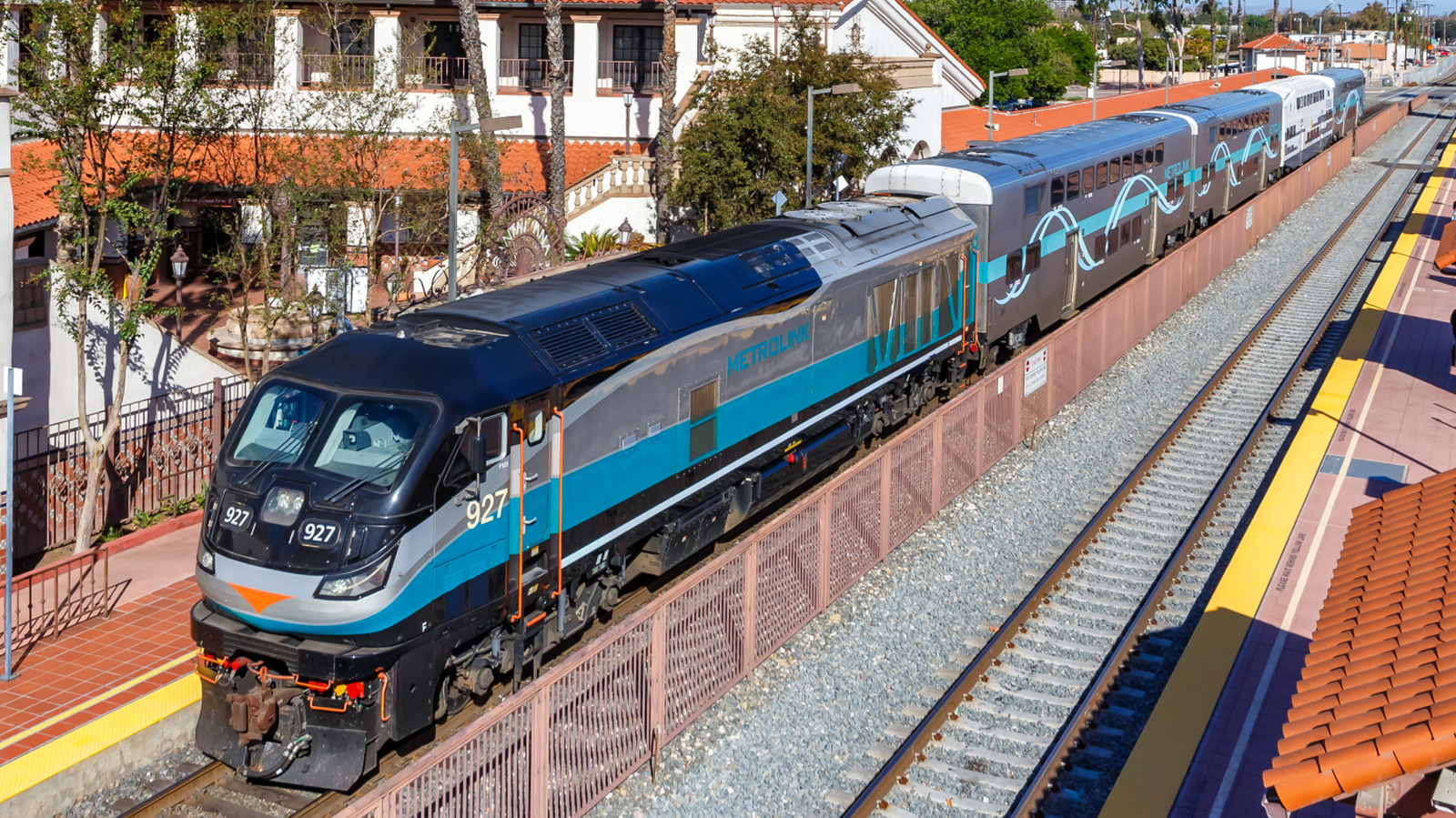
Unsurprisingly, the most significant shift has come in the state with the highest gas prices. While the national average is over $4.50 per gallon, California’s average is around $6.14 per gallon. According to climate website Grist, Los Angeles, the San Francisco Bay Area and San Diego have all seen jumps in public transit ridership. The San Diego Metropolitan Transit System had a 6.5% increase. Metrolink, an LA-focused commuter rail system, saw a 4% jump. The San Francisco Municipal Transportation Agency had its highest monthly ridership total since 2020. Outside the Golden State, the D.C. Metro and Amtrak have also reported increases.
Public transportation systems are improving but need more public funding
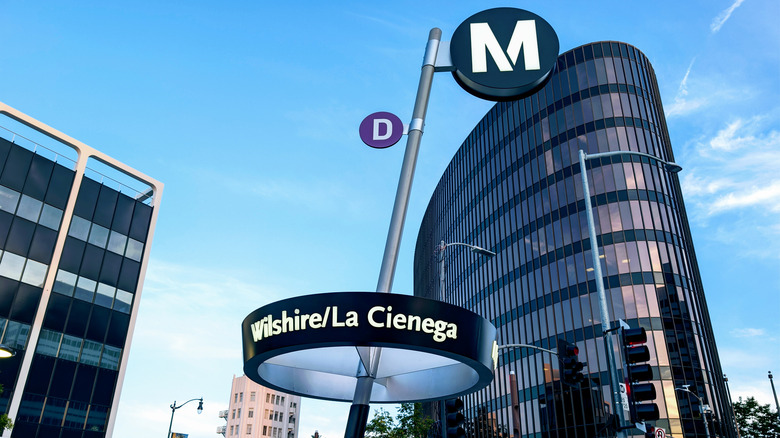
A few officials at public transit operators are hesitant to link the increase in ridership to higher gas prices. The sample size for ridership data is relatively small, as we’re only 2½ months into Trump’s Iranian misadventure (a military operation that was only supposed to last a few weeks). These agencies have also been improving their systems in hopes of returning ridership to pre-pandemic levels. For example, the LA Metro recently opened the first section of its D Line Extension. And yes, they’ve been telling people to ride the D.
These ridership increases come at a time when many agencies are struggling financially. The California State Legislature needed to authorize a $590-million emergency loan to support the Bay Area’s public transit services in February. The Chicago Transit Authority was set to implement a 40% cut in services due to a $770-million deficit. However, it was averted by the Illinois General Assembly passing a $1.2-billion public transit funding and reform bill last November.
While public transportation agencies collect fares, they aren’t for-profit ventures and can only exist with public funding. These services are intended to serve as backbones of local and regional economies, offering efficient and affordable transportation to the masses.

