


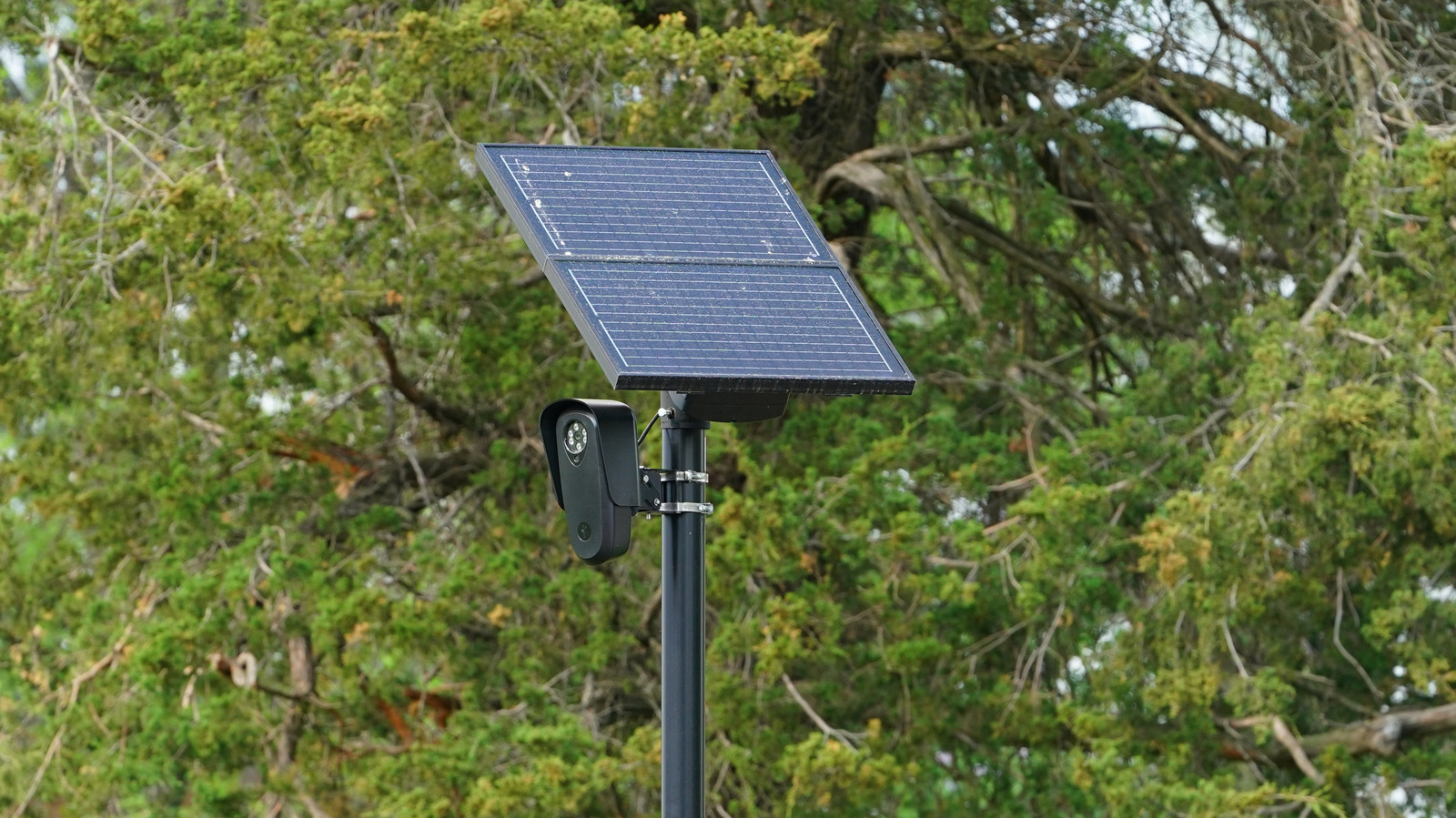
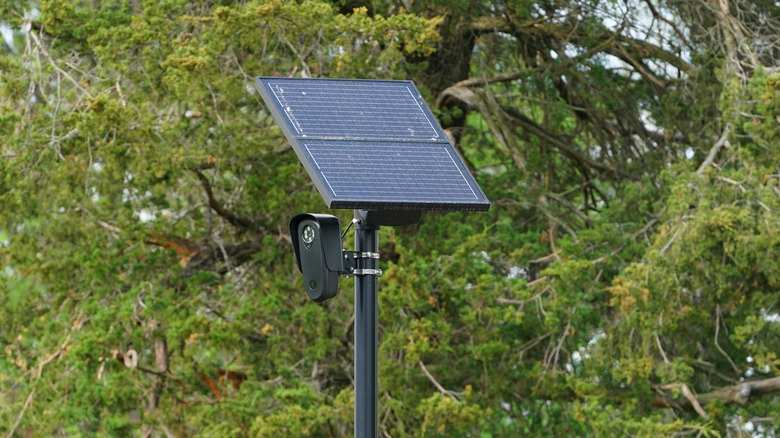
People don’t seem to like the way a private company, Flock Safety, has established a surveillance network of over 80,000 cameras that law enforcement can use not only to catch criminals, but also to stalk people, help ICE disappear immigrants, arrest the wrong people, and even detain automotive journalists over a clerical error. Some believe this network and the way it’s being used is unconstitutional and violate the Fourth Amendment, including U.S. Air Force engineer Jeffrey Sovern, reports Military.com. He stands accused of disabling 13 Flock cameras.
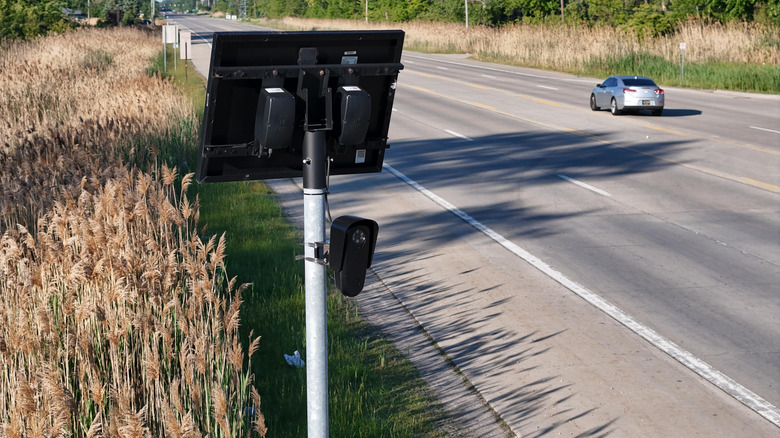
According to WAVY, the alleged tampering began with some Flock cameras in the Suffolk, Virginia area being re-aimed toward the woods where they are useless, not at the roadway as intended, starting in April 2025. As the year went on, cameras started getting removed entirely, sometimes tossed onto Interstate 664 from Hampton Roads Parkway. Eventually, a traffic camera placed Sovern’s gray pickup truck near a Flock camera that had suddenly failed, a mistake we’ve seen vandals make before. Police received a warrant for a GPS tracker to be placed on Sovern’s truck, which allegedly placed him near the scene of future Flock failures. This led to a warrant to search his home, where police say they found Flock camera components that had gone missing, leading to his arrest. Sovern now faces 13 counts of destruction of property, six counts of possession of burglary tools (including vice grips, so I hope police don’t check my toolbox), and six counts of petit larceny.
Two wrongs don’t make a right
While Sovern admits no wrongdoing, it will be interesting to see how the Fourth Amendment protections “against unreasonable searches and seizures” may factor into his defense. From Military.com:
Suffolk Police Det. Zach Hyman testified that during an interview, Sovern called the cameras “unconstitutional and a violation of his and others’ Fourth Amendment rights,” according to coverage of the June preliminary hearing.
Sovern has publicly and repeatedly made the same argument. On a GoFundMe page raising money for his defense, he introduced himself as a man who values privacy and wrote, “I appreciate everyone’s right to privacy, enshrined in the Fourth Amendment.”
Two residents in neighboring Norfolk, Virginia, filed a federal lawsuit on this basis in 2024, reports WHRO, after discovering that their vehicles had been photographed my Flock cameras hundreds of times within just a few months. Neither were under suspicion nor investigation of any crime. In January 2026, federal judge Mark Davis made an interesting ruling. From WHRO:
Schmidt’s and Arrington’s cars were photographed hundreds of times, but the photos were taken a few miles and between 40 and 50 minutes apart, leaving sizable gaps in their movements, Davis wrote.
The ruling came with a caveat. Davis warned “as the number and capabilities of ALPR cameras expand, the constitutional balancing could conceivably tip the other way.”
In other words, what’s constitutional today may not be constitutional tomorrow as the network of cameras grows.
There’s a strong argument that contrary to Davis’ ruling, that time is already here. DeFlock Norfolk and the American Civil Liberties Union think so. While these cameras are technically just automatic license plate readers, the computing behind them also notes other identifying marks, such as stickers and roof racks, enabling them to identify a vehicle even without a license plate. Combine that with the ability to read Bluetooth devices and RFID tags as you drive by, and Flock’s argument that ALPRs only track vehicles, not individual people, goes out the window.

