


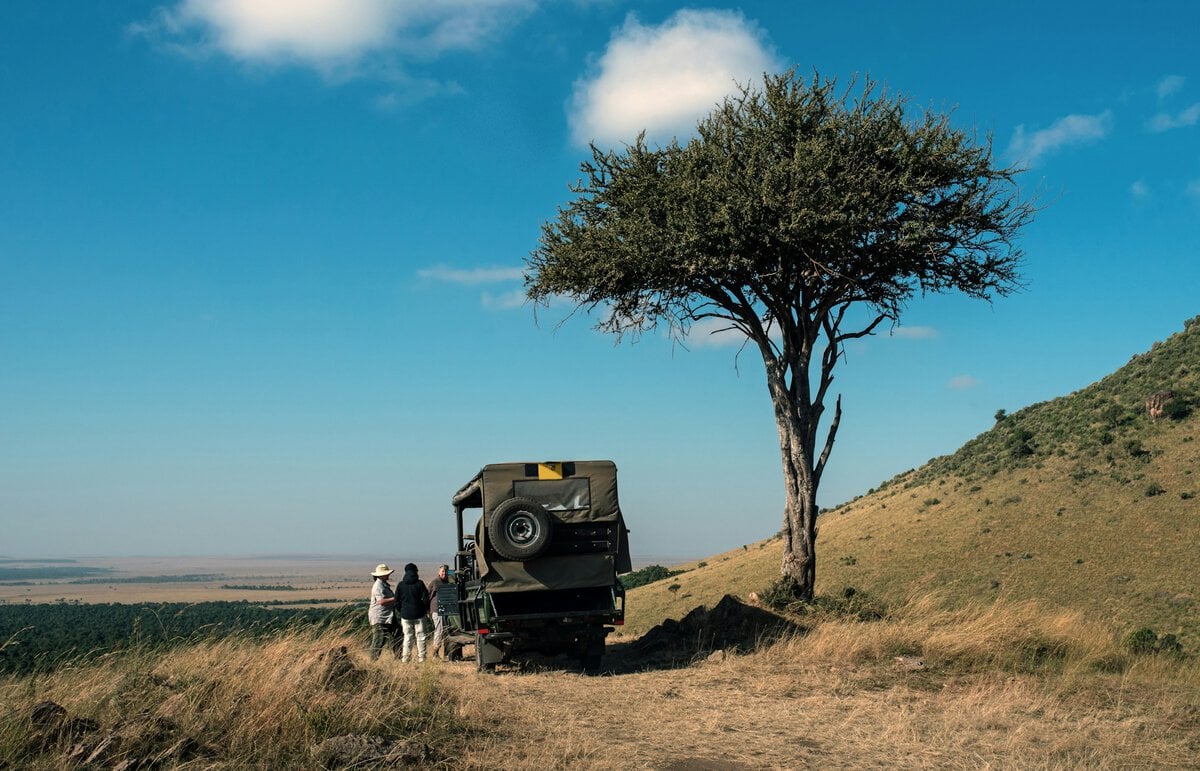
A safari in East Africa is one of the best-known travel experiences there is. From the Serengeti and Masai Mara to Uganda’s national parks and the beaches of Zanzibar, the region offers a genuinely different scale of wildlife and landscape, plus cultural depth many itineraries never reach.
But safari travel is different from a typical city break. You may be spending time in rural areas, moving between lodges, taking long road transfers, and visiting regions where certain travel-related health risks are more common. That does not mean you should be worried. It simply means that good preparation matters.
Before traveling to Kenya, Tanzania, Uganda, Zanzibar, or nearby safari destinations, it is worth planning your health needs as carefully as your itinerary.
Book a Travel Health Consultation Early
The best time to start preparing for a safari is several weeks before departure. Some vaccines need time to become effective, and malaria prevention medication may need to be started before you arrive.
A travel medicine doctor or travel clinic can give advice based on your exact itinerary, your health history, the season, and the type of trip you are taking. A short city stay in Nairobi is not the same as a remote safari lodge, and a beach extension in Zanzibar may call for different precautions than gorilla trekking in Uganda.
Bring your itinerary to the appointment, including:
- Countries you will visit
- Safari parks or rural areas on your route
- Any stopovers or border crossings
- Your vaccination history
- Current medications and medical conditions
This helps the clinician give more relevant advice.
Related read: Managing Chronic Health Conditions While Traveling: The Complete Guide
Check Routine and Travel Vaccines
Before any international trip, routine vaccinations are worth confirming are current. These may include measles, mumps and rubella, tetanus, diphtheria, pertussis, polio, influenza, and others depending on age and home country recommendations.
For East Africa, a doctor may also discuss travel vaccines such as hepatitis A, typhoid, hepatitis B, rabies, meningitis, cholera, or yellow fever, depending on itinerary and risk profile.
Yellow fever rules can be especially important because requirements may depend on where a traveler is coming from, where they are connecting, and which countries they visit before or during the trip. Official entry requirements are worth checking before departure, particularly when crossing borders.
Timing matters here: some vaccines require more than one dose spaced weeks apart, and others may only be available at an approved clinic.
Understand Malaria Risk Before You Go
Malaria is one of the most important health considerations for many safari destinations in East Africa. Risk varies by country, region, altitude, season, and itinerary, so general advice alone is not enough.
A doctor may recommend malaria prevention tablets for some destinations. The right option depends on where you are going, your medical history, other medications you take, possible side effects, pregnancy status, and how long you will be away.
Following the prescribed schedule closely matters if malaria medication is recommended. Some medicines need to be started before arrival and continued after leaving the malaria-risk area.
Medication is only one part of prevention. Avoiding mosquito bites matters just as much.
Pack for Mosquito Protection
Mosquito-borne illnesses are a key concern in many tropical destinations. For safari travel, pack mosquito protection and use it consistently, especially around dawn, dusk, and evening.

Useful items may include:
- Light clothing that covers skin
- Socks and closed shoes in the evening
- Permethrin-treated clothing, if appropriate
- A mosquito net, if your accommodation does not provide one
Many safari lodges are well prepared, but it is still smart to bring your own essentials.
Prepare a Safari Travel Health Kit
Safari itineraries often include remote areas where pharmacies or clinics may not be nearby. A small health kit can help you manage minor issues and avoid disrupting your trip.
Consider packing:
- Regular prescription medications
- Copies of prescriptions
- Motion sickness medication
- Anti-diarrheal medication, if advised by your doctor
- Plasters and blister care
- Any personal medical supplies
If you have allergies, asthma, diabetes, heart conditions, or other chronic health needs, speak to your doctor before traveling and carry a written medical summary.
Be Careful With Food and Water
Stomach issues are common among travelers, and safari trips often involve long drives where feeling unwell can be especially uncomfortable.
To reduce your risk:
- Drink sealed bottled water or treated water
- Avoid ice if you are unsure of the water source
- Eat food that is cooked and served hot
- Use hand sanitizer when handwashing is not available
- Be cautious with raw foods in remote areas
- Carry oral rehydration salts
Most safari lodges and reputable tour operators take food safety seriously, but travelers should still use common sense.
Plan for Heat, Sun, Dust, and Long Drives
Safari travel can be physically demanding. Early starts, long transfers, bumpy roads, heat, dust, and changing altitudes can all affect how you feel.
To stay well:
- Use sunscreen every day
- Wear a hat and sunglasses
- Pack layers for early morning game drives
- Protect your eyes and throat from dust
- Tell your guide if you feel unwell
If you are traveling with children, older adults, or anyone with a medical condition, build more rest time into the itinerary.
Know Where to Get Medical Help
It’s worth finding out from a tour operator, before departure, what happens if someone gets sick or injured during the safari: how far the nearest clinic is, what emergency procedures are in place, and whether medical evacuation is available if needed.
Your travel insurance should include medical evacuation, especially if you are visiting remote parks or rural areas.
For non-emergency medical issues, digital healthcare platforms can also be useful for finding medical professionals abroad, depending on location and availability, whether the need is advice, a clinic appointment, or guidance on what kind of care to seek.
Related read: How to Find a Doctor While Traveling Abroad
Finding a Doctor while traveling in East Africa
If you need medical care and don’t know where to start, Air Doctor takes the guesswork out of finding a trusted local doctor abroad. The platform connects travelers to a vetted network of 20,000 doctors across 78 countries, with the option to book a clinic visit, home visit, or video consultation. Video appointments are available in over 21 languages, with 24/7 multilingual support if you need help navigating your options.
Travel Dudes partners with local operators and services to help you find practical support on the road.
→ Find a doctor with Air Doctor
Do Not Ignore Fever During or After Travel
A fever during the trip or after returning home is worth raising with a doctor, along with where the trip went. This matters especially after visiting a malaria-risk area.
Symptoms such as fever, chills, severe headache, confusion, breathing difficulty, persistent vomiting, severe diarrhea, or dehydration are worth acting on rather than waiting out.
Final Safari Health Checklist
Before traveling to East Africa, make sure you have:
- A travel health consultation
- Up-to-date routine vaccines
- Destination-specific vaccine advice
- Malaria prevention advice, if relevant
- Comprehensive travel medical insurance
- Medical evacuation coverage
- Enough prescription medication
- A basic travel health kit
- Copies of prescriptions and medical documents
- A plan for accessing medical care
A safari in East Africa is an extraordinary experience, but it is worth preparing properly. Speak to a travel health professional before you go, check vaccine and malaria recommendations for your exact itinerary, pack a practical medical kit, and make sure your travel insurance covers remote travel and emergencies.
With the right preparation, you can focus on the wildlife, landscapes, and once-in-a-lifetime moments that make safari travel so special.
Frequently Asked Questions
Do I need a yellow fever vaccination certificate for East Africa?
It depends on your specific route, not just your final destination. Some countries require proof of vaccination based on where you have recently traveled or connected through, so check official entry requirements for every country on your itinerary, not just the one you’re flying into.
What if I’m traveling on short notice and haven’t seen a doctor yet?
Letting a travel clinic know as soon as possible still helps. Some vaccines and malaria medications have shorter lead times than others, and a clinician can prioritize what protects you most for the time available, even if it’s not the full ideal schedule.
Is bottled water alone enough to stay safe on safari?
Mostly, but not entirely. Ice, water used to brush your teeth, and fresh juices at informal roadside stops are common ways travelers still get exposed, even when they’re careful about what they drink directly.
What actually happens if I get sick at a remote lodge?
Most established lodges have a radio or satellite phone link to a regional clinic or evacuation service, and staff are usually trained in basic first aid. This is exactly what to confirm with your tour operator before you go, rather than assuming it’s in place.
Can older travelers or young children safely go on an East Africa safari?
Many do, but the itinerary matters more than age alone. Shorter driving days, lodges closer to medical facilities, and built-in rest days make a bigger difference than any single vaccine or medication decision.
The travelers who get the most out of a safari are usually the ones who spent an hour with a travel health clinician weeks beforehand, not the ones sorting it out in the departure lounge.


