


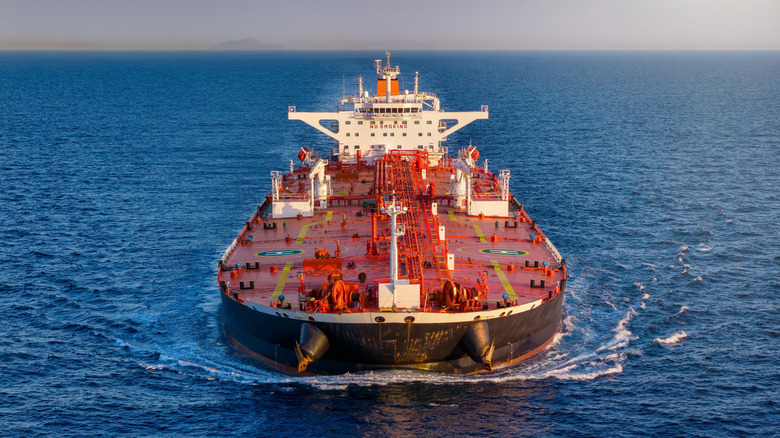
Ever since the U.S.-Israeli war with Iran began, the Straight of Hormuz has been closed for business. More than 20% of the world’s oil is typically transported through Hormuz, and has been largely at a standstill for nearly two months. On Monday, Chevron CEO Mike Wirth warned that this chokepoint could lead to physical oil shortages for much of the world. Tightening supply will force demand to deflate as people feel the pinch at the pump, with deleterious effects on the global economy. We’ve already seen Spirit Airlines fail, an early victim of the supply crunch as jet fuel costs exploded. Buckle up, folks, it’s about to get bumpy.
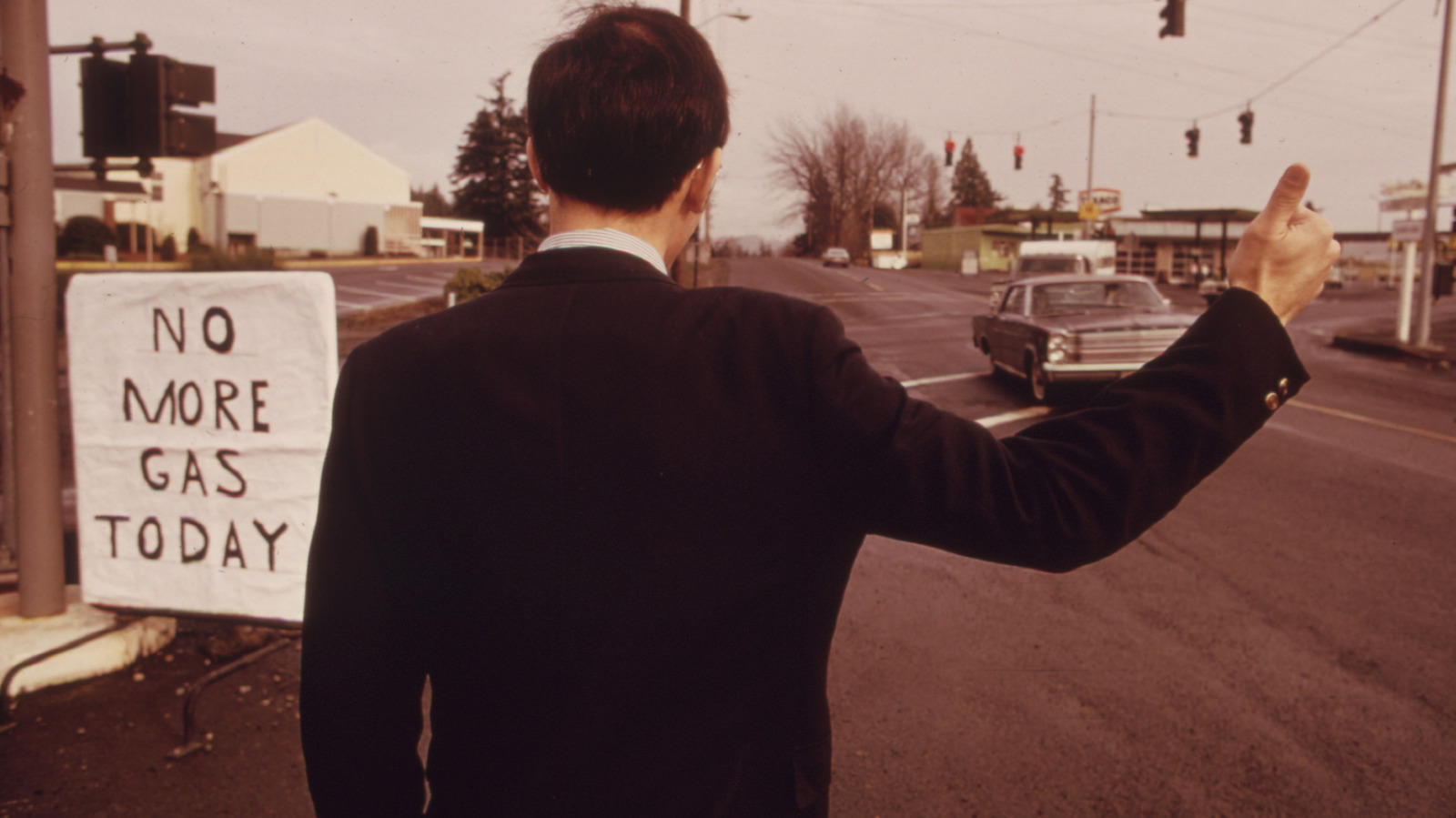
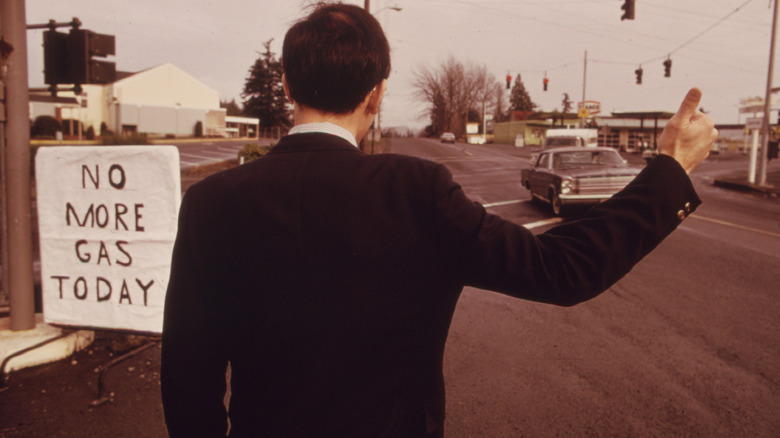
With rambling, 79-year-old President Donald Trump on the case, the man who called affordability a “good line of bullsh*t,” it’ll almost assuredly get worse before it gets better. Wirth, reports Reuters, even went so far as to invoke the twin oil supply crisis of the 1970s, which led to international rationing, political gridlock, and economic crisis. The current situation has escalated past the point where supply buffers built into the system can absorb the shock, and national strategic reserves, including our own, are being drawn down.
Wirth, as sitting Chief of a major international oil company, would obviously have significantly more visibility into any of this than you or I would, and if he sees a 1970s-style oil crisis on the horizon, it’s probably time to start fretting a bit. Maybe that $10 per gallon gasoline is closer than we might have previously believed. If supply flows are basically shut down to the point where we can’t produce or deliver as much fuel as is needed globally, what we’re currently seeing will only be the tip of the iceberg.
The last tanker has arrived in Long Beach
The warning continues with a prophecy. Asian markets will be the first to see major impact, and will be hit harder than the rest of the world. The major Asian nations are more reliant on Gulf oil than others, especially as sanctions continue against Russia. Growth economies like China and India are heavy users of fossil fuels, and the impacts of their inability to continue burning it will be long-lasting and far-reaching.
Because the U.S. is an oil-producing nation and a net exporter of petroleum products and, for the first time since World War 2, crude oil, we’ll have a slightly safer position in the fallout of this impending crisis. Wirth noted in his discussion, however, that the United States’ “protection” from implosion is both relative and temporary. The Port of Long Beach received the last scheduled shipment of crude from the Gulf states earlier this week. When Gulf imports fully dry up, prices will continue an upward trajectory of the pricing curve on a gallon of gasoline. From this moment onward, the U.S. economy will begin to see the effects of absorbing the full weight of the canal’s closure. According to MSN, California has just four to six weeks of gasoline and diesel reserves to play with.
Due primarily to unrest in the Middle East, the 1973 Yom Kippur War and the 1979 Iranian Revolution, that decade was pockmarked by oil price spikes, shortages, and economic malaise. The first oil shock saw the price of a barrel of oil explode from $3 to nearly $12. During the second oil shock in 1979 a barrel more than doubled to $39.50 per barrel. In both cases inflation went up right alongside unemployment numbers, leading to heavy deficit spending and Ronald Reagan-flavored economic policy.
As we sit right now, the price of a barrel of Brent Crude is a whopping $111, peaking at nearly $130 in early April. If trends go as Mr. Wirth claims they will, we could be on the precipice of another massive oil shock.

