



From Airports to Agriculture: RoBird Finds New Role Protecting Crops
Flapping-wing drone technology expands from bird-strike prevention to agricultural crop protection
A drone designed to imitate one of nature’s most effective predators is finding new applications beyond airport runways.
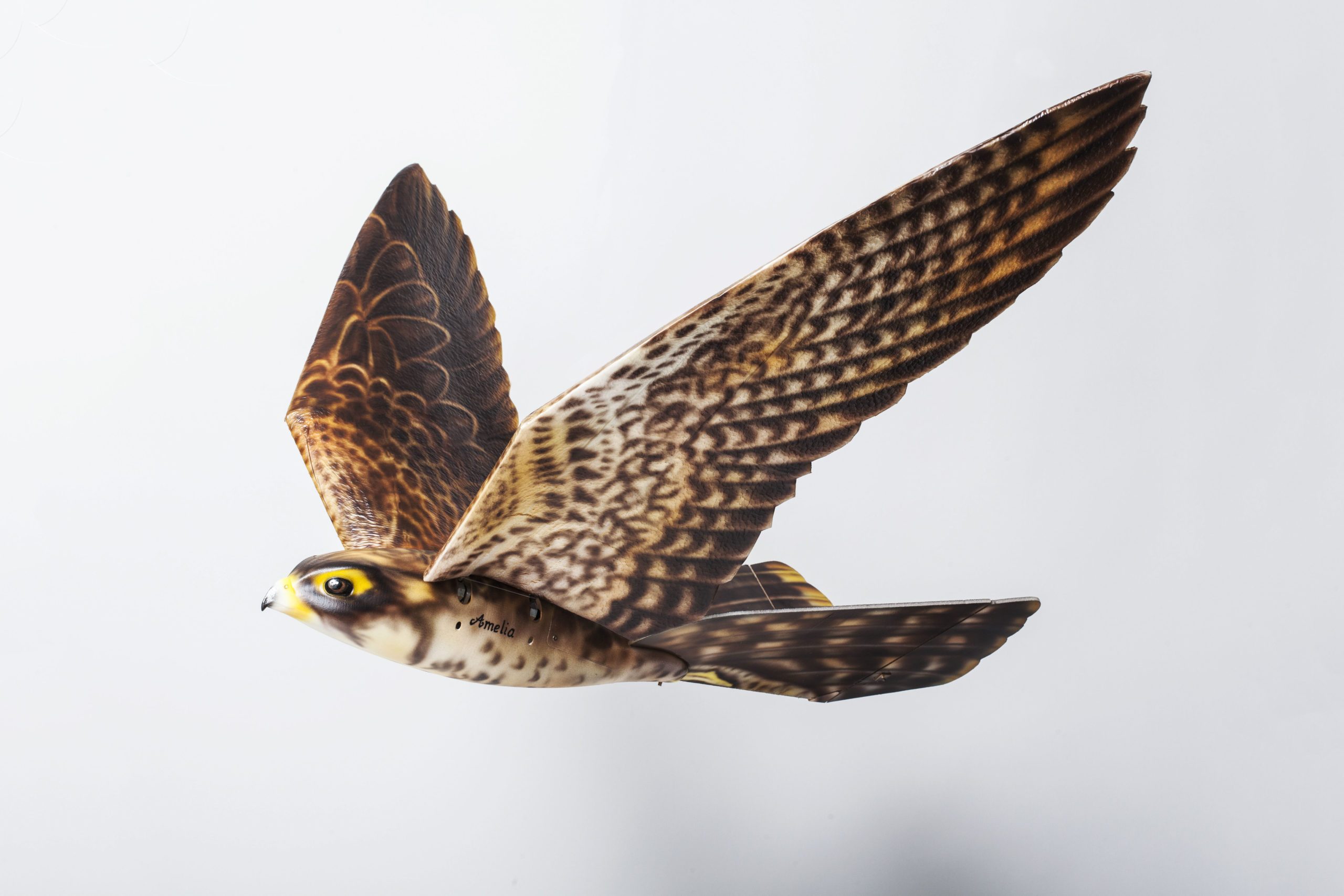
According to a recent report from ABC Rural in Australia, growers in Queensland are testing the RoBird system to protect strawberry crops from bird damage. The trials aim to reduce losses caused by lorikeets and other birds that can significantly impact yields in high-value fruit production.
While the agricultural trial is new, the technology itself is not. RoBird has spent years operating in airport environments, where it has been used to reduce bird activity around runways and lower the risk of bird strikes.
A Different Approach to Bird Control
Unlike conventional drones, RoBird is designed to mimic the appearance and flight characteristics of a peregrine falcon. Developed by Canadian company Aerium Analytics, the aircraft uses flapping wings rather than propellers and is intended to trigger a natural predator response from nuisance birds.
The concept is based on biomimicry. Instead of relying on noise, lights, or other deterrents, the system seeks to convince birds that a predator is present in the area.
According to Aerium Analytics, the aircraft can be used to move birds away from locations where they pose safety, operational, or economic risks.
Proven in Airport Operations
DRONELIFE covered RoBird in 2022 when the system was being deployed at airports to help address wildlife hazards.
Bird strikes remain a persistent challenge for the aviation industry. Even relatively small birds can cause significant damage to aircraft, and airports around the world invest heavily in wildlife management programs to reduce risk.
Traditional bird-control methods can include pyrotechnics, distress calls, trained birds of prey, and habitat management. RoBird offered a different approach by using an unmanned aircraft that resembles a natural predator.
At the time, airport operators reported that the system could disperse birds without harming them, providing a non-lethal option for wildlife management.
Expanding Into Agriculture
The Australian strawberry trial highlights how specialized drone technologies are finding new markets as the commercial drone industry matures.
For fruit growers, bird damage can result in substantial crop losses. Netting and other physical barriers can be costly to install and maintain, while conventional deterrents often become less effective over time as birds adapt.
The Queensland trials suggest that technologies originally developed for aviation safety may also have value in agriculture. If successful, similar systems could find applications in vineyards, orchards, berry farms, and other operations where bird damage affects profitability.
The development also reflects a broader trend in the drone industry. Rather than relying solely on general-purpose aircraft, companies are increasingly designing drones to solve specific operational challenges.
Beyond the Conventional Drone
RoBird stands out in an industry dominated by multirotor platforms. Its flapping-wing design demonstrates how unmanned aircraft can be tailored to address highly specialized tasks.
Whether protecting aircraft from bird strikes or helping growers safeguard crops, the technology shows how biomimicry can create practical commercial applications.
As drone adoption continues to expand across industries, the most successful platforms may not always be the most versatile. Instead, they may be the aircraft designed to solve one problem particularly well.
Read more:

Miriam McNabb is the Editor-in-Chief of DRONELIFE and CEO of JobForDrones, a professional drone services marketplace, and a fascinated observer of the emerging drone industry and the regulatory environment for drones. Miriam has penned over 3,000 articles focused on the commercial drone space and is an international speaker and recognized figure in the industry. Miriam has a degree from the University of Chicago and over 20 years of experience in high tech sales and marketing for new technologies.
For drone industry consulting or writing, Email Miriam.
TWITTER:@spaldingbarker
Subscribe to DroneLife here.

