


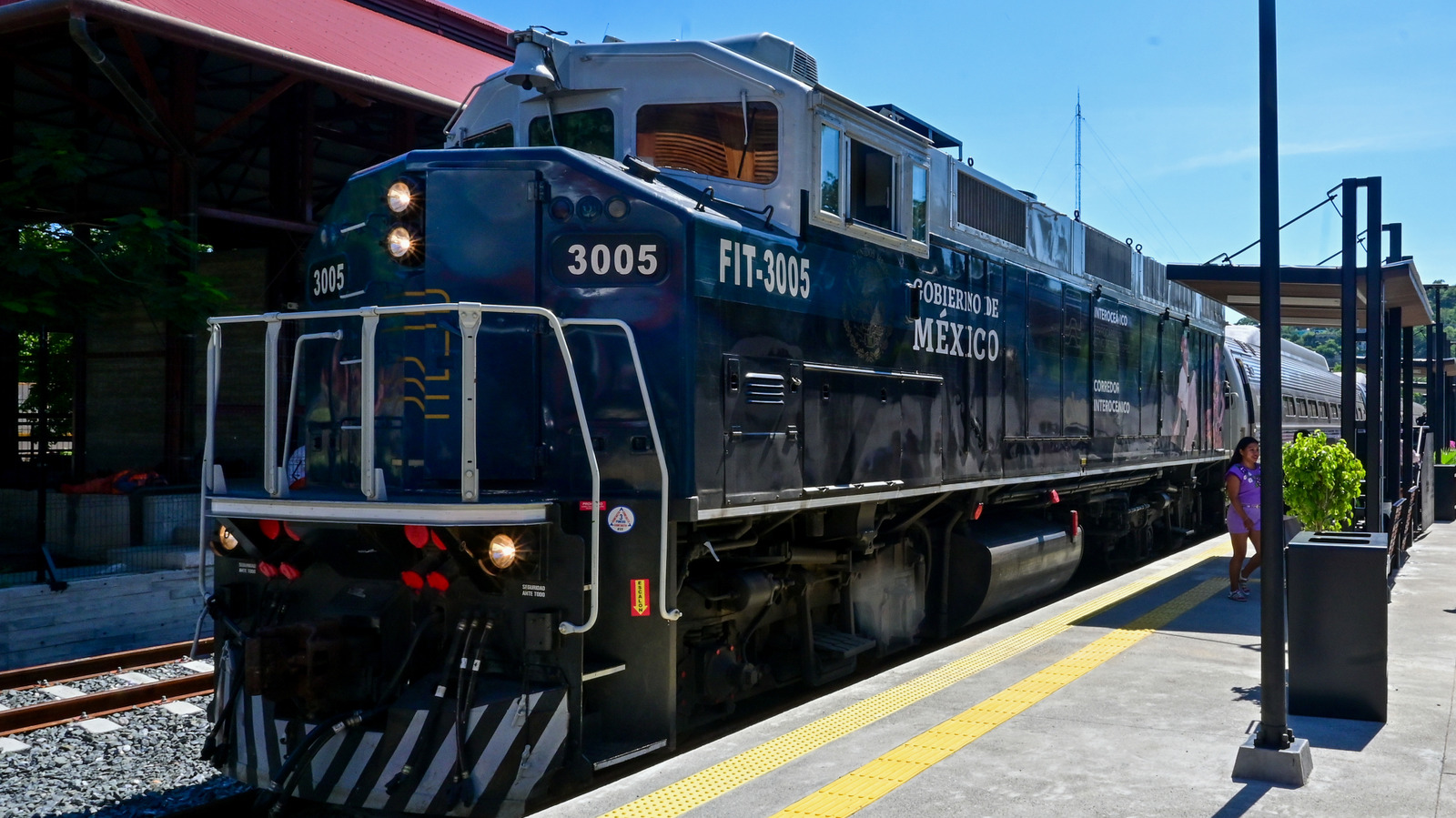
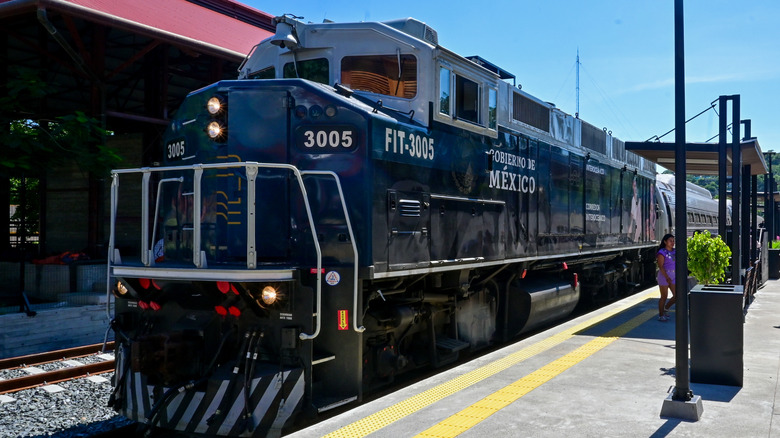
Whether natural or man-made, the global economy relies on cargo traffic flowing through several maritime chokepoints. There are plenty of people standing at a gas pump right now wishing there was a way to bypass the Strait of Hormuz. Well, a different bypass is coming. A land-based alternative to the Panama Canal is scheduled to open in Mexico next month.
The Interoceanic Corridor of the Isthmus of Tehuantepec (CIIT) will link the Atlantic and Pacific Oceans with a 188-mile railroad system. While it might seem counterintuitive to offload cargo from a ship to transit across Mexico by train before loading onto another ship, more and more frequent droughts are limiting traffic through the Panama Canal.
The Interoceanic Corridor was approved by the Mexican government in 2019 to stimulate the economy of Southern Mexico by taking advantage of the Panama Canal’s inability to keep up with demand. The CIIT might not be fully opened, but Hyundai Glovis has already trialed the system last year. The Korean automaker’s logistics arm shipped 900 vehicles from the Pacific to the Atlantic. According to Automotive Logistics, the cars arrived at the Port of Salina Cruz from South Korea. The vehicles were transported north by rail in two batches on 50 Bi-Max freight cars to the Port of Coatzacoalcos on the Atlantic side. The crossing took nine hours, but that figure becomes six days when factoring in the cargo’s time in port at either end.
The Panama Canal could be low on water this summer
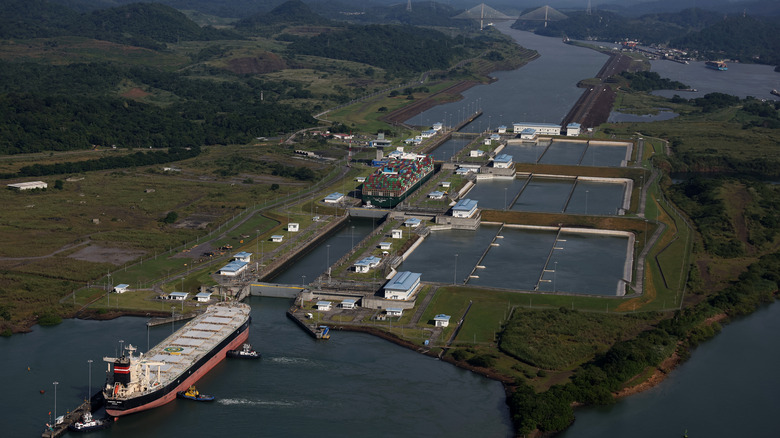
Why would a shipping company make the crossing by rail instead of using the Panama Canal? The Interoceanic Corridor is apparently both faster and cheaper. The Oaxaca Ministry of Economic Development claims that the rail route’s logistical costs are 15% lower and the journey is five days shorter than using the canal. It can take up to 10 hours to transit the Panama Canal, but the lengthy part is waiting to cross the passage. According to Mas Oceans, wait times vary based on the vessel’s size and the direction of travel. For certain vessels, wait times are as long as six days at the moment.
The wait can be even longer if there’s an ongoing drought. The Panama Canal relies on freshwater to operate its three sets of locks along the 50-mile crossing. According to Reuters, El Niño weather patterns that bring increased rainfall to Southern California also create drought conditions in Panama. During previous El Niños, the Panama Canal reduced the number of passages and the draft limit of permitted ships to conserve water. Currently, 38 ships per day are allowed to cross the canal. That number was reduced to 24 during the last major drought, which increased wait times and caused a major traffic jam. The Panama Canal isn’t planning on implementing restrictions for the upcoming El Niño this summer, but any reductions in the current delays would likely be welcome along shipping routes.

