


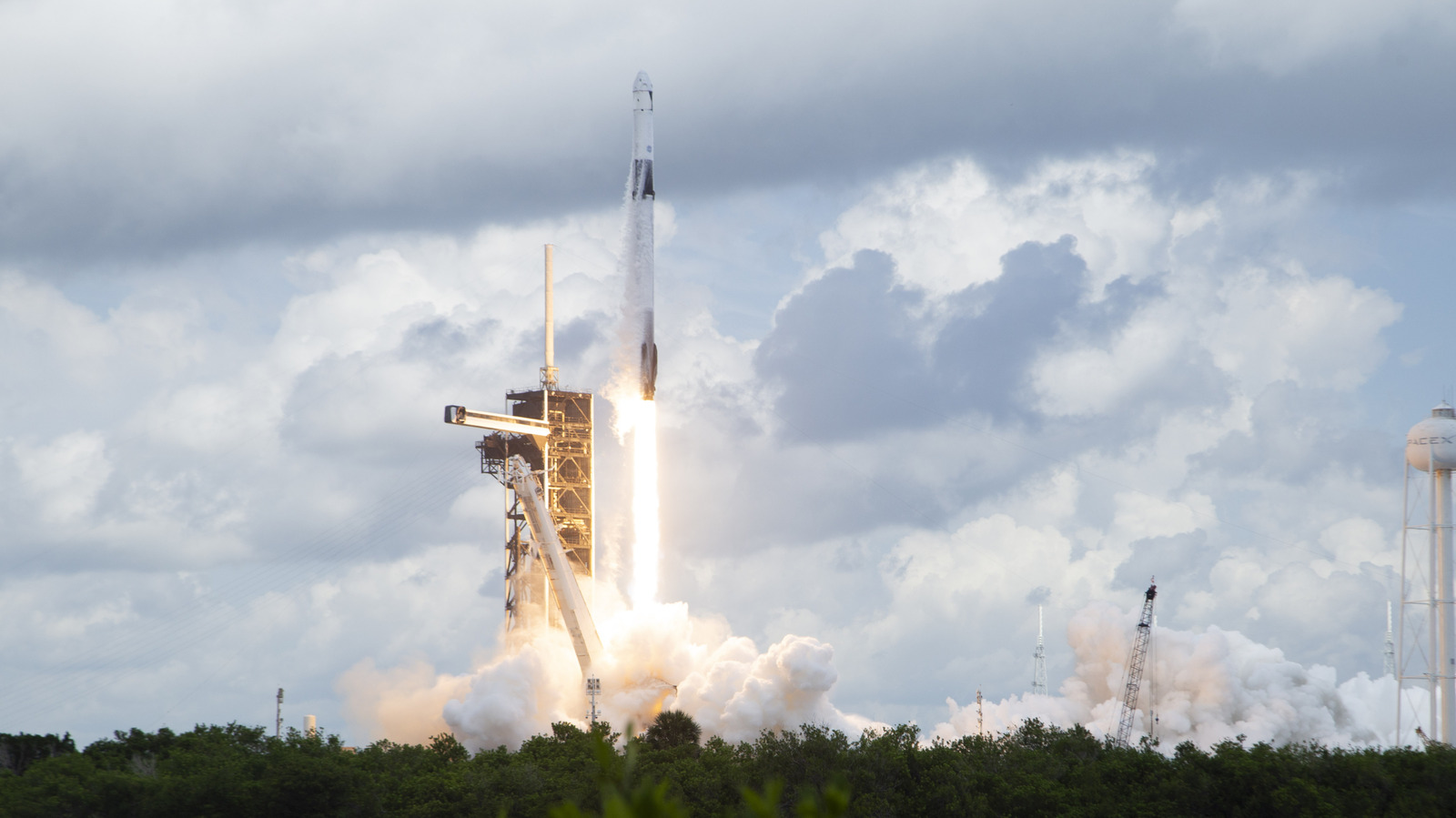
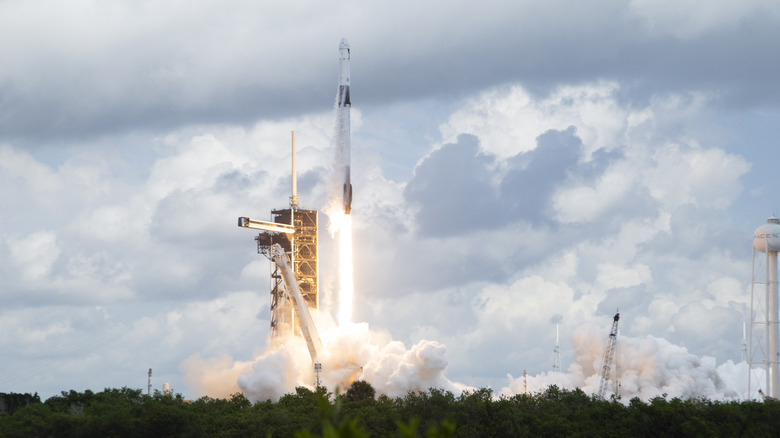
The FAA has announced that, starting this year, it will begin to collect tolls on every space rocked launch that it certifies. That basically covers every commercial launch in the United States. The fee might seem pretty tame at first, at just $0.25 per pound of payload, until you remember that orbit-bound cargo can get pretty heavy. That said, the initial tax regime will top out at $30,000. On the scale of spaceflight, which costs millions, this is more or less pocket change. But it’s a big deal for raising revenue for the government agency that regulates launches, and that’s good for the industry and nation as a whole.
The regulatory body in question is the FAA’s Office of Commercial Space Transportation (which is, confusingly, abbreviated as “AST” to match with the FAA’s internal coding convention). It’s the AST’s job to issue launch permits, which requires it to ensure that companies are complying with safety, environmental, and any other appropriate laws. The trouble, as Space News reports, is that the AST hasn’t increased its staff in years, whereas the number of new launches is going through the stratosphere. That makes it harder and harder to issue permits at a rate that matches demand for them.
What is the government to do about a staffing shortfall? Gut funding for the agency, obviously! Space News notes that the office got 5.6% less in 2025 than it did the year before. In the time since, the Trump administration appears to have seen the error if its ways, because it is now proposing a whopping 43.3% increase to AST’s funding. It sure would be nice to have a little stability, and taxing the very companies that the agency oversees seems like a place to start.
How much money are we talking here?
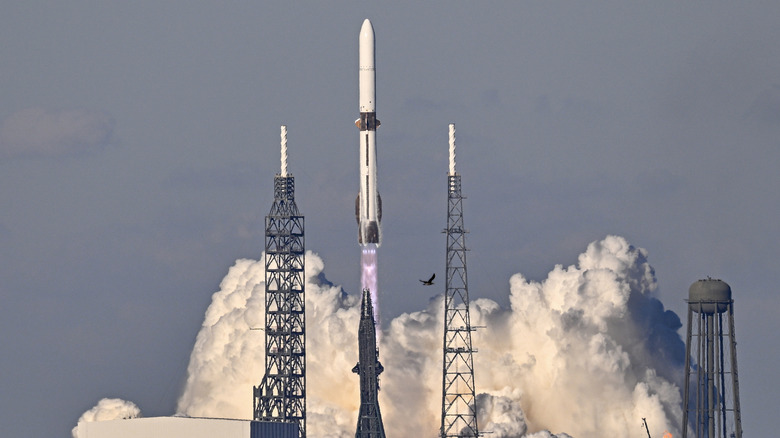
This toll was actually authorized through President Donald Trump’s signature One Big Beautiful Bill Act in 2025, which allowed the AST to begin collecting fees at the start of 2026. Has the AST done that? No. Will it? Yes, as it intends to retroactively charge all rockets that have already launched this year. SpaceX is about to get a giant “PAST DUE” bill it didn’t expect.
These tolls should add up into the millions per year, a great influx of cash for the AST. It’s amazing what happens when the government raises revenue by taxing megacorporations that will barely feel the sting of this. That sting, and those revenues, will get a little sharper over time, though. The OBBBA allows the toll to rise sixfold, to $1.50 per pound of payload, by 2033. The cap will rise nearly sevenfold, to $200,000. After that, the toll is allowed to grow with inflation. That ought to be tens of millions of dollars per year at that point. That is assuming the space companies actually pay, of course; let’s just say the enforcement mechanism for the toll is unclear at the moment.
In a way, this is the way it always should have been. As Gizmodo points out, half of the FAA’s whole budget comes out of the fees it levels on airlines. The commercial space industry got a break in order to help the burgeoning industry get off the ground, so to speak. Now that SpaceX is gunning for the highest-valued IPO in history, it no longer needs the break. The taxman has taken note. One can only hope that he will build a giant toll barrier in the sky, at which the rocket will have to stop and deposit some change before continuing to the stars.

