




According to an unverified report from Reuters, Trump administration economic advisors have been informed that foreign automakers may not be able to build and sell inexpensive cars for the U.S. market if a renewed USMCA doesn’t “significantly reduce tariff” charges for vehicles and parts built in Canada and Mexico. Even automobiles with final assembly within the boundaries of the United States could face the ax if the prices to import the parts don’t see a reduction in the coming months.
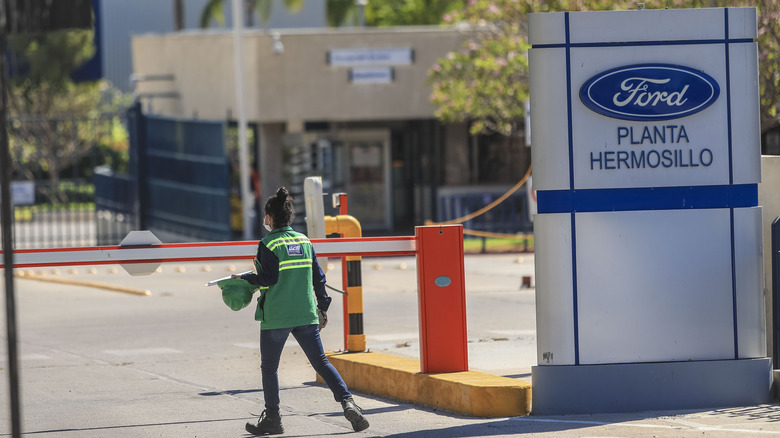
Trump touted the US-Mexico-Canada cooperative international trade deal as “the greatest trade deal ever” when he negotiated and signed it as president in 2020. Upon reelection in 2024, however, one of his first official acts as president was to impose a 25 percent “national security” tariff against the allies with whom we share thousands of miles of border. The USMCA deal is up for review, with a renewal deadline of July 1st, and the auto industry is pleading with Trump to renew the commitment to free trade in North America.
It’s safe to say that the inexpensive car is already dead in the U.S., as there are only four cars available in the U.S. for under $25,000 right now, and three of them will potentially be pulled from the market by year’s end. Nissan is killing the Versa, likewise with the Kia Soul, and Hyundai is building a second-generation Venue, but it hasn’t yet decided whether it’ll sell in the United States.
In just the last decade, we’ve seen dozens of inexpensive models meet their demise as costs increase, and it doesn’t look like we’ll be easing up on that throttle any time soon. We can only hope that costs don’t continue to spiral out of control. Renewing the USMCA and killing import tariffs on Mexican and Canadian goods would be the bare minimum required to keep even a few cheap cars alive.
Extending the USMCA is imperative
During the 2008 recession, there was at least the possibility of buying a bargain basement sub-$10,000 Nissan to reliably get to work. These days, $10,000 will barely get you a mediocre crossover with 100,000 miles on it.Without inexpensive new cars with fresh components and lengthy warranties, America’s working poor will be hit the hardest. Forced to purchase inflated used cars, these blue collar folks face unknown vehicle conditions and potentially-poorly-maintained vehicles that will stack up costs far beyond the initial monthly payment and insurance rates. Not being able to have a reliable, inexpensive car to get to work means a minor breakdown could cost a person’s livelihood.
None of this, of course, even begins to touch on the fact that Canada and Mexico are the two largest and most civil trade partners the U.S. economy has ever seen. About 45% of all cars sold in the U.S. are imported from other countries, and roughly half of the components in cars built here come from Canada or Mexico. While infuriating our allies, the president’s tariffs and trade policy have also pushed extreme costs and unprecedented stagflation to the fore. Working Americans are becoming disillusioned with high prices across the board and increasingly difficult job search conditions. Consumer sentiment is near an all-time low, and it’s not hard to see why.
Canada is easing some of the high cost of imported cars by allowing Chinese brands to begin selling inside Canadian borders on a limited basis. It’s hard to say whether that small change will solve the worsening economic crisis we currently face, but getting more people rolling for less than $20,000 is worth a shot.

