



Spend any time discussing solar and wind power as a solution to climate change, and you are sure to encounter someone who asks about reliability. The Sun does not shine at night and the wind does not always blow, so fossil fuels will be needed forever as a back-up, they argue.
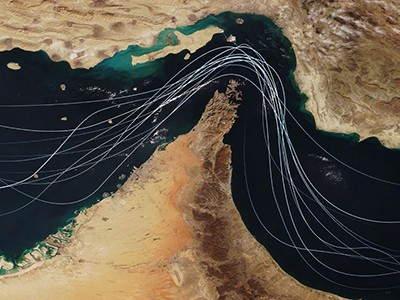
How the war in Iran is reshaping the energy landscape
But how reliable are fossil fuels? In the past two months, conflict in Iran has created an energy crisis — the latest in a series. Oil prices spiked within days of the start of US, Israeli and Iranian bombing in the Gulf region on 28 February. Fuel prices remain high and volatile, and the ripple effects are set to increase inflation in the coming months. Isabel Schnabel, a member of the European Central Bank’s executive board, memorably named this effect fossilflation in the aftermath of Russia’s invasion of Ukraine in 2022.
There was, and is, one clear winner: renewables and other low-carbon technologies, from batteries to electric vehicles (EVs) and heat pumps. That is what distinguishes this Middle East oil and gas crisis from the Arab oil embargoes of the 1970s. Then, renewables were mostly unavailable, and industrial decarbonization was on few people’s radars. Solar power cost at least 500 times more than it does today, and EVs, heat pumps and induction stoves were a pipe dream.
Ditching fossil fuels is not all smooth sailing. In 2022, European natural-gas prices spiked to ten times their levels before the Ukraine invasion, resulting in long waiting times for solar panels and heat pumps. Prices for these rose as demand outpaced supply, an effect Schnabel dubbed greenflation. She used a third term, climateflation, to describe the economic effects of climate-induced weather extremes, such as food-price rises from crop failures (M. Kotz et al. Commun. Earth Environ. 5, 116; 2024).
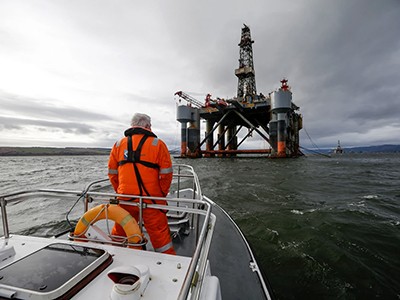
The world must rethink plans for ageing oil and gas platforms
Thus, abandoning fossil fuels might cause some temporary greenflation, but the solution is the same for all three drivers: produce more of the climate technologies that will move the world off fossil fuels faster.
That point typically raises two more objections. One is what energy scholars Emily Grubert and Sara Hastings-Simon call the mid-transition. Arguably, the current geopolitical uncertainties are part of this shift away from fossil fuels.
Oil is still the main source of energy for mobility: internal combustion engines account for more than 60% of global oil consumption today. But oil’s days are numbered. Around half of it goes into cars, a sector in which the ascendancy of EVs is unstoppable. Norway shows the way. All but a handful of specialized vehicles registered there so far this year were fully electric. Lots of older petrol cars are still on the roads, but the direction is clear. So is the messy nature of the transition.

