


New approach reduces maintenance costs and improves planning, engagement, and public services
The London Borough of Harrow has launched an expanded digital twin of the city, using drone data to improve maintenance, planning, and public engagement. The project combines high-resolution drone imagery with existing lower-resolution data to create a more detailed and cost-effective digital model of the borough.

Using Site Scan drone software from Esri UK, Harrow is capturing and processing aerial data to build 3D models of key assets. These include parks, leisure centers, historic buildings, and other public infrastructure.
Reducing Costs and Improving Maintenance
The digital twin is already delivering measurable cost savings. Harrow used drone imagery to inspect the roof of Headstone Manor & Museum, a historic building dating back to 1310. This approach replaced traditional scaffolding and manual inspections.
The result was a savings of £12,000 on a single project.
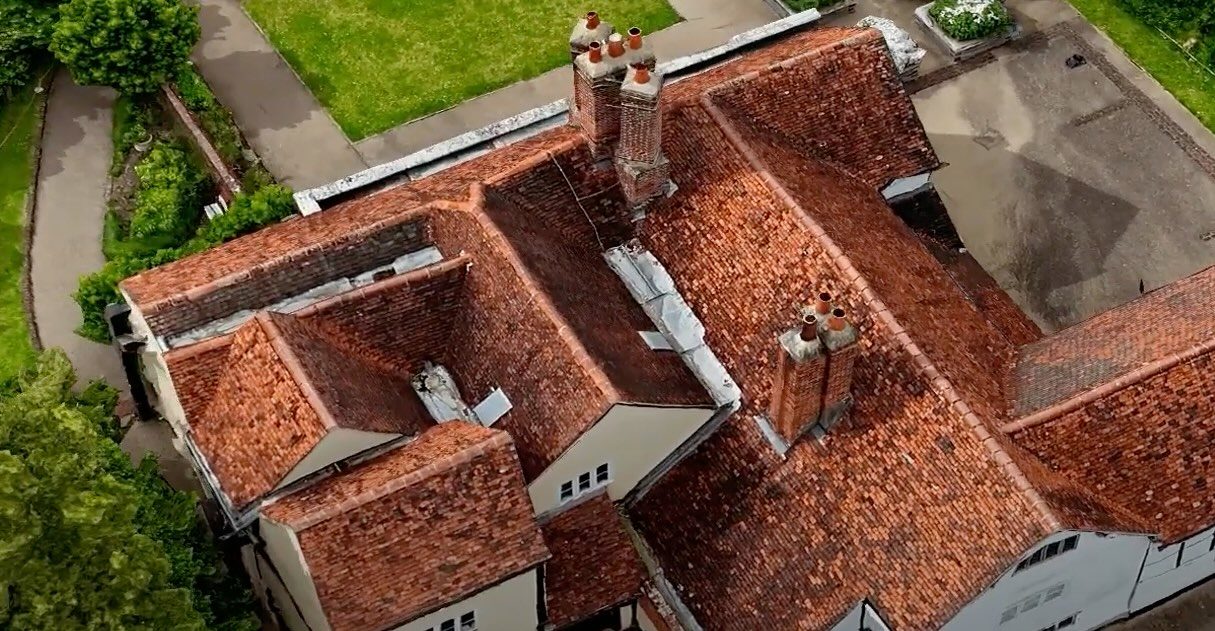
Ben Jones, Head of Digital at London Borough of Harrow, said: “The new drone approach is already saving time and money and fits our mission to work smarter and more efficiently. With minimal investment, the 3D data has the potential to deliver significant financial benefits over the next few years.”
The council is using a hybrid model. High-resolution drone data adds detail where needed, while existing lower-resolution data covers the wider area. This approach helps control costs while improving accuracy.
“Using a drone and Site Scan gives us a faster and more cost-effective method of examining our buildings and other assets,” commented Sam Tizzard, Head of GIS and Data Manager at London Borough of Harrow. “The hybrid approach using high and low resolution data keeps development costs down but delivers detail where it matters most. It’s a low cost, low risk strategy for creating a digital twin to drive significant time and cost savings. The potential for ongoing savings in roof inspections alone is huge.”
Expanding Use Cases Across the Borough
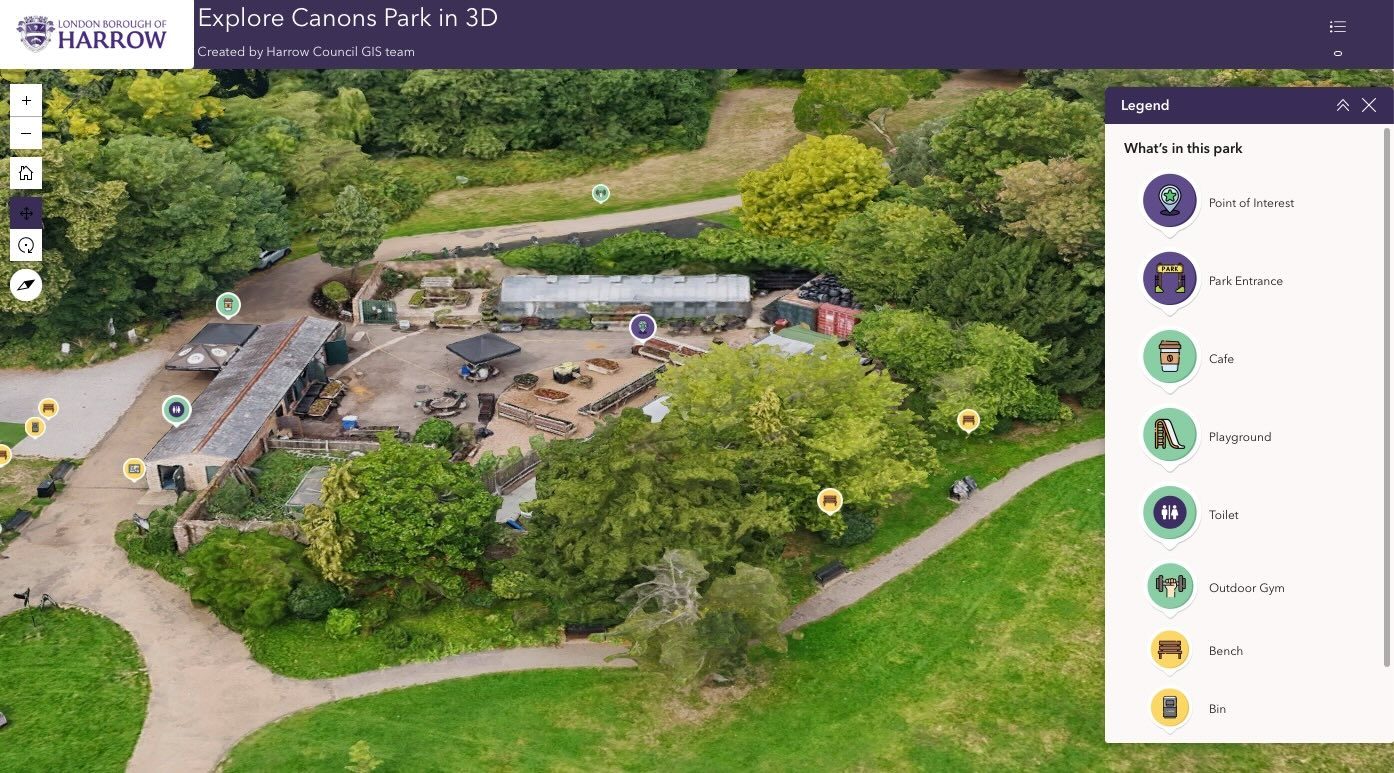
Harrow is also using its digital twin to support public engagement and environmental initiatives. Interactive 3D maps and 360-degree imagery are helping residents explore parks and public spaces online.
Canons Park is one of the first locations to use this approach. The project is part of the Healthier Harrow program, which aims to promote well-being and increase the use of green spaces.
The council is also testing drone-based mapping to address fly-tipping. High-resolution 3D images help identify problem areas and guide the placement of signage, fencing, and CCTV systems.
The Broader Role of Digital Twins in Cities
Harrow’s project reflects a wider trend in urban management. Cities around the world are building digital twins to improve planning and operations.
These models support a range of use cases beyond maintenance. Digital twins can help cities plan for floods and other natural disasters by simulating water flow and infrastructure stress. They also support resilience planning by identifying weak points in critical systems before failures occur.
In addition, digital twins play a role in preserving cultural heritage. High-resolution 3D models allow cities to document historic buildings and monuments in detail. This creates a permanent record and supports restoration efforts if damage occurs.
Urban planners also use digital twins to test new developments. They can model traffic patterns, analyze environmental impact, and improve land use decisions. In public safety, digital twins help agencies plan emergency response routes and coordinate resources more effectively.
Building Toward Real-Time Insights
Harrow plans to expand its digital twin with additional data sources and capabilities. Future steps include integrating BIM models and adding real-time data such as traffic and weather conditions.
The council is also training more staff as drone pilots to meet growing demand for aerial data.
“By making digital twins more affordable with drones and Site Scan, London Borough of Harrow is enabling smarter asset management, better planning and improved services for residents,” commented Paul Clarke, Head of Government at Esri UK.
As cities look to balance cost, efficiency, and service quality, Harrow’s approach offers a practical model. By combining drones with existing data systems, the borough is building a scalable digital twin that supports both immediate needs and long-term planning.
Read more:

Miriam McNabb is the Editor-in-Chief of DRONELIFE and CEO of JobForDrones, a professional drone services marketplace, and a fascinated observer of the emerging drone industry and the regulatory environment for drones. Miriam has penned over 3,000 articles focused on the commercial drone space and is an international speaker and recognized figure in the industry. Miriam has a degree from the University of Chicago and over 20 years of experience in high tech sales and marketing for new technologies.
For drone industry consulting or writing, Email Miriam.
TWITTER:@spaldingbarker
Subscribe to DroneLife here.

