


New integration combines AI-powered drone platform with net-based capture system for counter-UAS missions
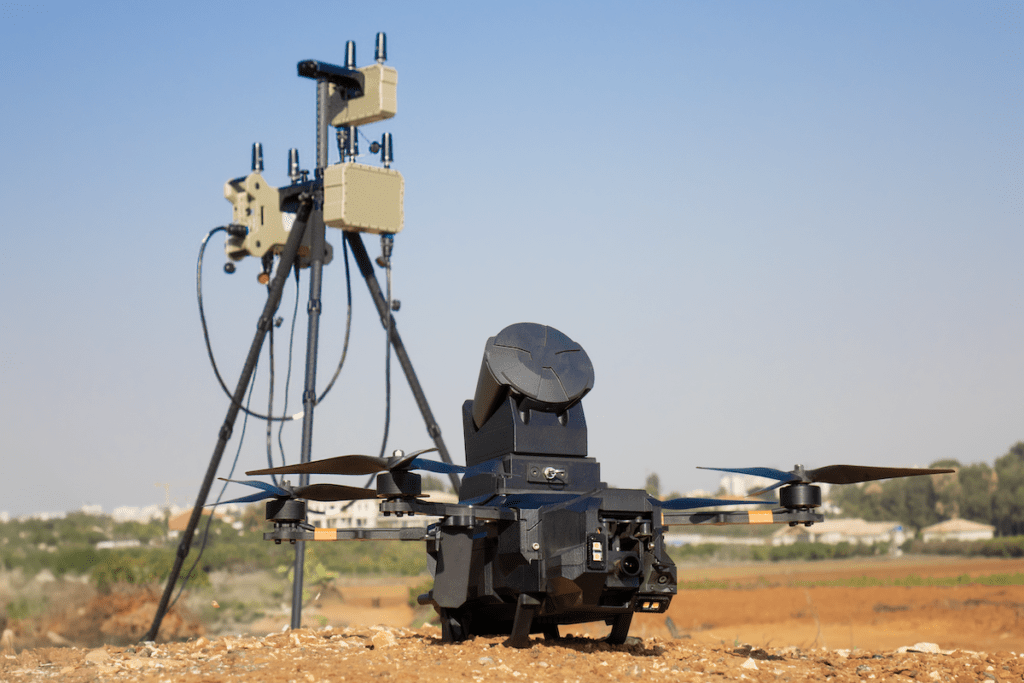
JFB Construction Holdings and XTEND have announced a strategic partnership with ParaZero Technologies to develop an integrated drone interception solution. The collaboration brings together autonomous flight systems and a net-based capture mechanism designed to safely stop hostile drones.
The companies say the new system will enable full mission capability, from detection and tracking to interception and capture. The goal is to provide defense and security users with a complete counter-UAS solution that reduces risk to people and infrastructure.
Integrated System for Autonomous Interception
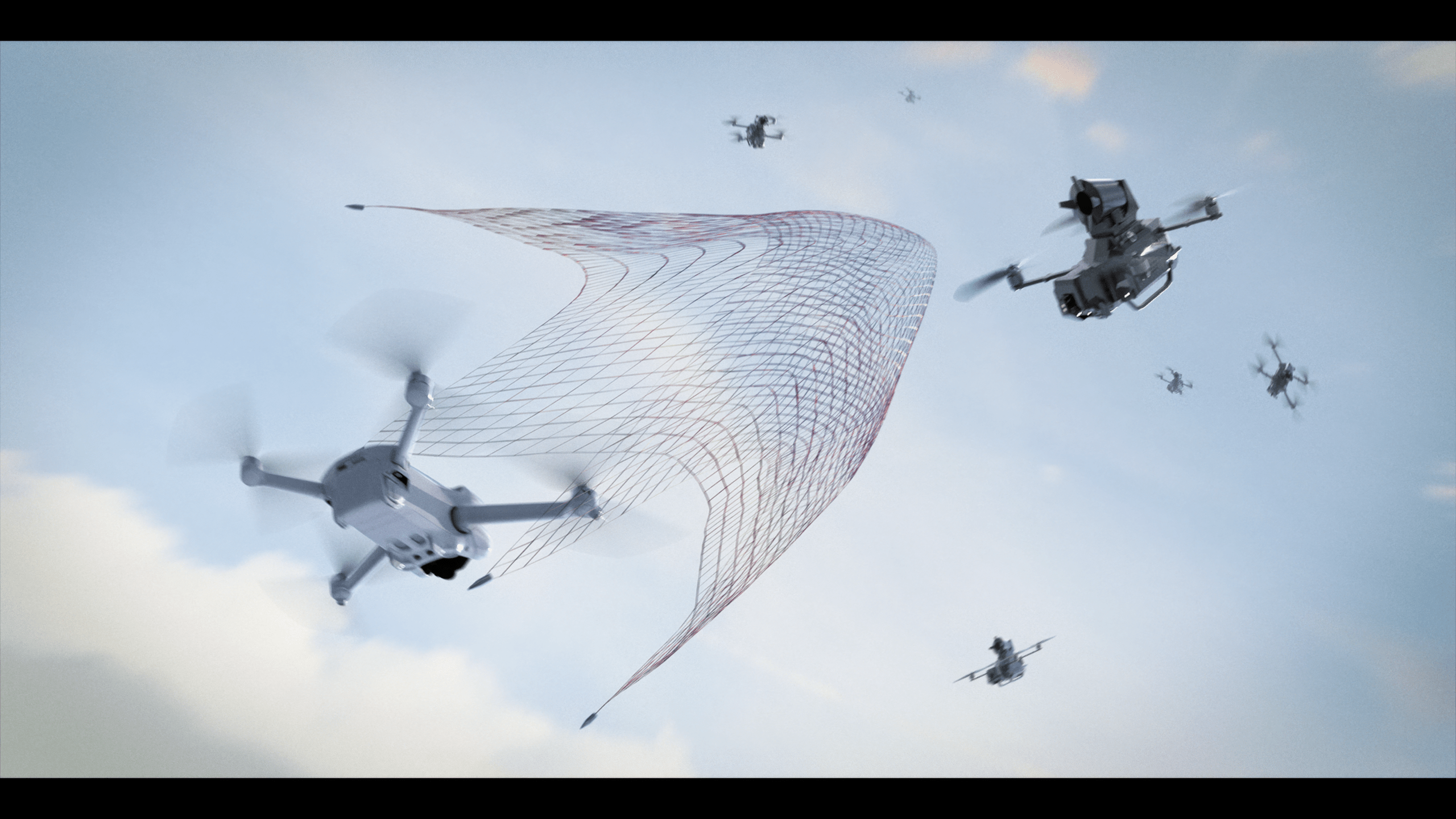
The solution combines ParaZero’s DefendAir system with XTEND’s Scorpio 1000 drone platform. The DefendAir system uses a net-launching mechanism to capture drones in flight. This approach aims to limit damage compared to kinetic or explosive methods.
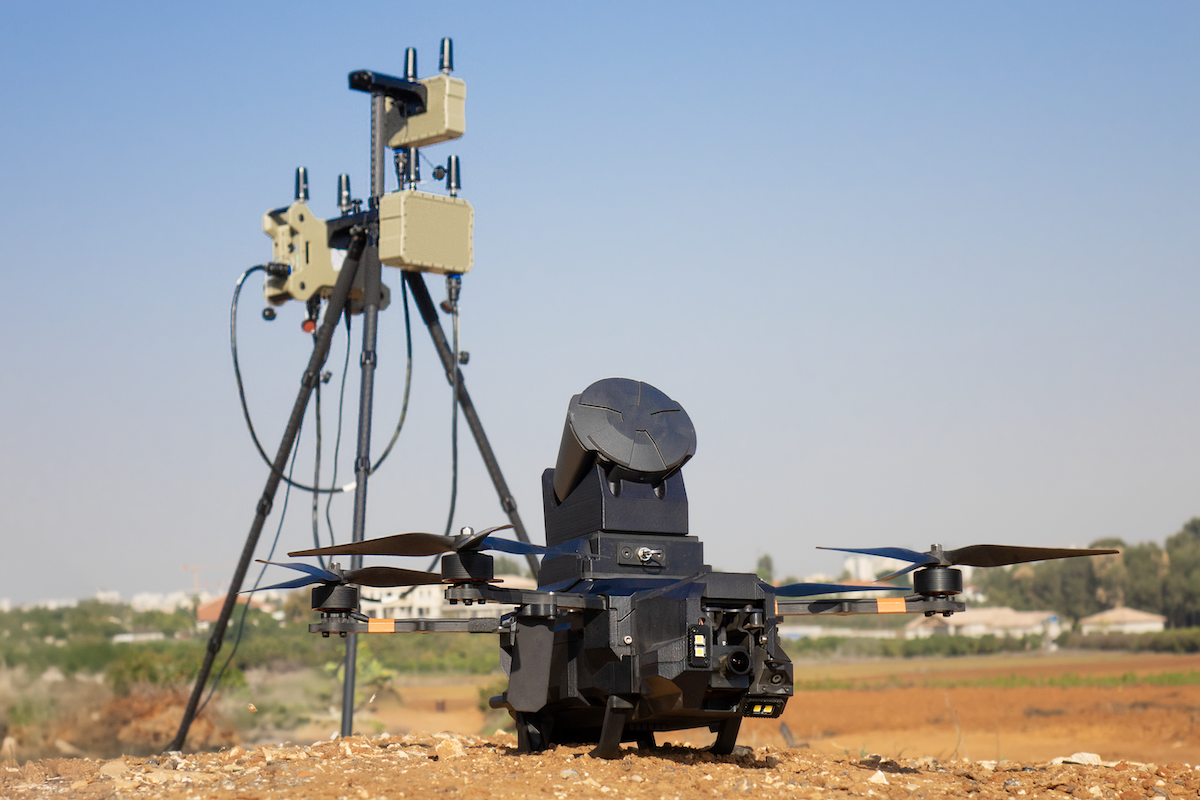
XTEND’s Scorpio 1000 is designed for multi-domain operations. It operates across air, ground, and maritime environments. The platform uses XTEND’s XOS operating system to support autonomous navigation and real-time mission execution.
Together, the integrated system is designed to detect, track, and intercept drones with minimal human input. The companies emphasize that autonomy plays a key role in improving response speed and precision.
Addressing Growing Counter-UAS Demand
The partnership reflects rising demand for counter-UAS technologies. Drone threats are becoming more complex and more common across both military and civilian environments.
ParaZero CEO Ariel Alon highlighted the operational focus of the collaboration. “We are proud to partner with XTEND, a leader whose drones are proven in real-world operations,” said Ariel Alon, ParaZero CEO. “This partnership enables us to offer military users an integrated, autonomous defense solution for safe and effective drone interception in both battlefield and urban environments.”
The use of a physical net to capture drones may offer advantages in urban areas. It reduces the risk of debris or unintended damage, which is a key concern for public safety agencies and defense operators.
Multi-Domain Autonomy and Future Operations
XTEND CEO Aviv Shapira emphasized the role of autonomy in modern operations. “As warfare becomes increasingly complex and multi-domain, the need for agile, scalable solutions that leverage AI-driven autonomy will only grow,” said Aviv Shapira, CEO of XTEND. “This partnership with ParaZero accelerates our vision of a future where autonomous systems collaborate seamlessly across air, ground, and maritime domains, offering unprecedented speed, precision, and adaptability in real-time operations. Together, we are shaping the future of defense, where human-machine teaming delivers superior outcomes in the face of ever-evolving threats.”
The Scorpio 1000 platform is designed with a modular structure. This allows it to adapt to different mission needs, including counter-UAS applications. The integration with DefendAir positions the system as a flexible option for defense and security users.
Industry Context
Counter-drone systems remain an area of active development. Governments and agencies continue to seek solutions that balance effectiveness with safety. Technologies that reduce collateral damage are gaining attention, especially in urban and critical infrastructure environments.
The partnership between XTEND and ParaZero reflects a broader trend toward integrated systems. These systems combine detection, tracking, and mitigation into a single platform. This approach can simplify operations and improve response times in fast-moving scenarios.
As drone use expands across sectors, counter-UAS solutions are expected to play a larger role in both defense and public safety operations.

