


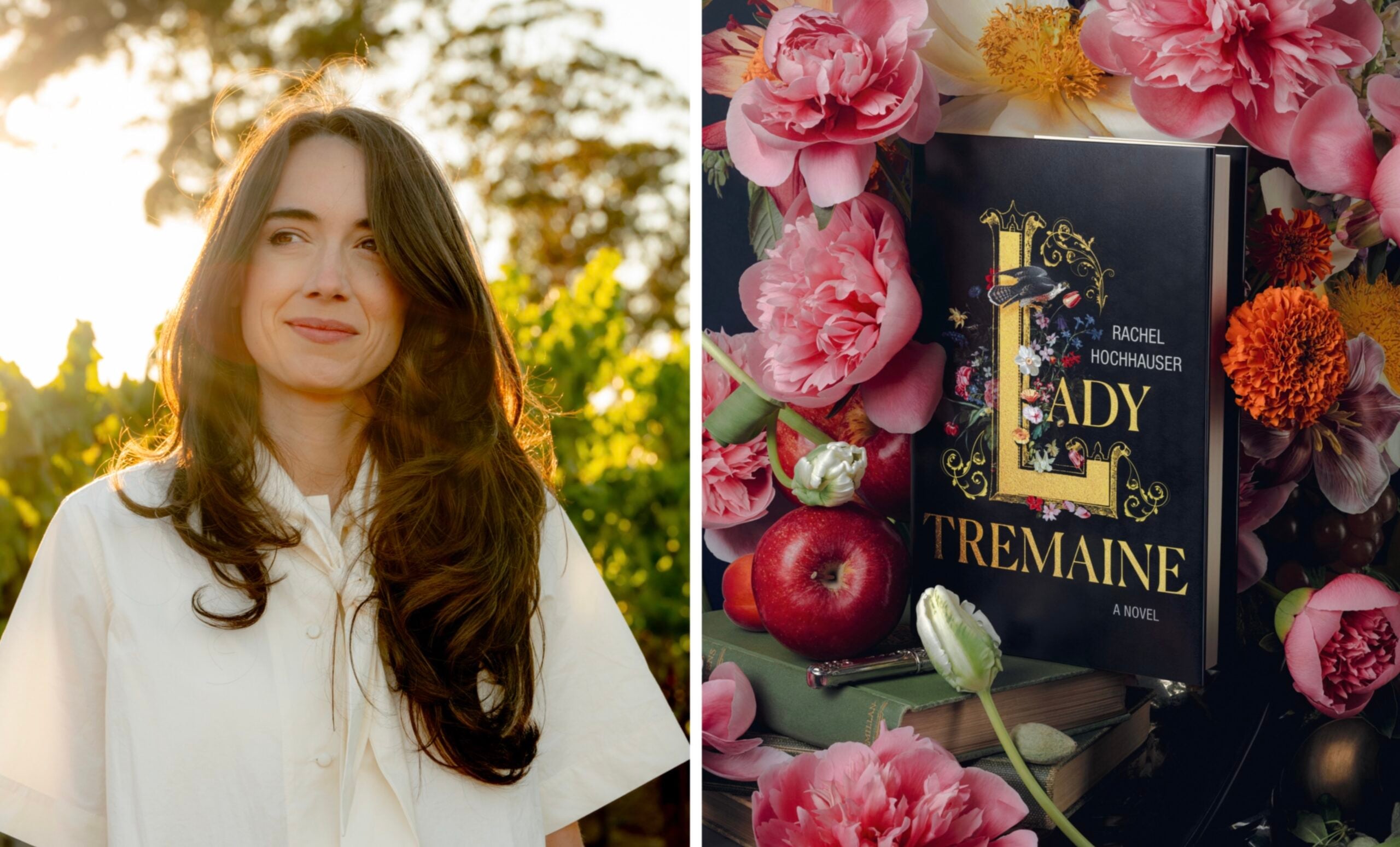
Last month, when I read Rachel Hochhauser’s Lady Tremaine — a reimagining of Cinderella from the perspective of her stepmother – I was blown away. In the novel, Lady Tremaine pulled herself out of poverty as a teenager, but now, middle-aged and twice-widowed, she needs to find her two daughters secure marriages before they end up on the streets. Also on her to-do list? Caring for an ungrateful stepdaughter, hunting rabbits for dinner, and keeping their leaky house from quite literally falling down.
Lady Tremaine flips everything upside down — the classic Cinderella fairy tale, of course, but also how we view women and mothers, throughout history, literature, and still today. (Case in point: on Big Salad, I shared how the book led me to a major dating realization.) Reese Witherspoon just chose the novel for her book club, and I can already envision the movie on the big screen. Here, I spoke to Rachel about her dramatic backstory, favorite sentence, and parenting realization…
First things first: What inspired you to write about Cinderella’s stepmother?
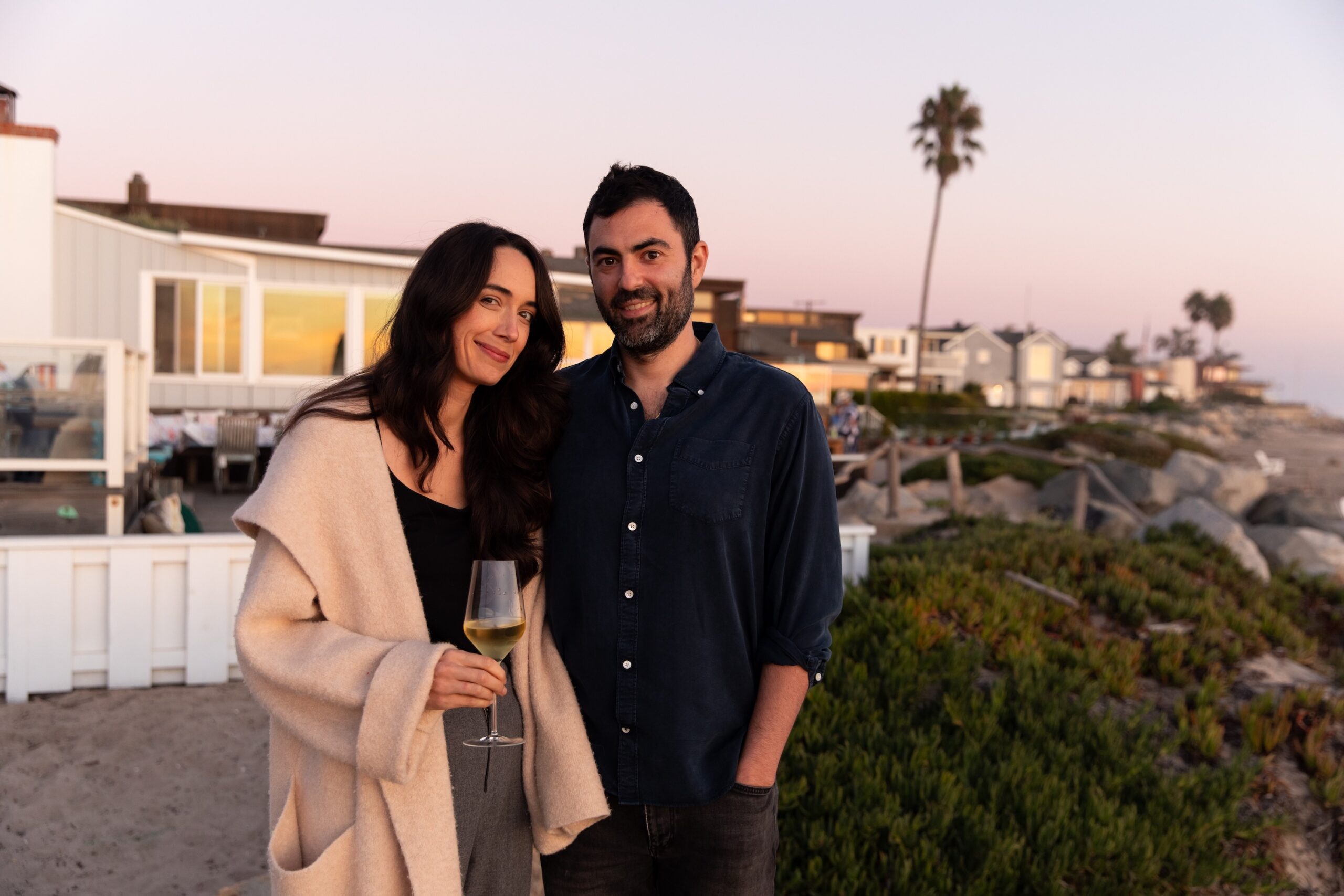
The backstory is more dramatic than you might think. In 2023, my husband couldn’t get out of bed, he had vertigo, he was throwing up all the time, he lost 35 pounds. We didn’t know what was going on. Eventually we found out that he needed emergency brain surgery. The recovery was brutal, and we were spending so much time in the hospital. One day, in the waiting room, I was scrolling through my phone and was stopped in my tracks by a cartoon image of Cinderella’s evil stepmother.
Why did that image jump out at you?
At the time, I was a caregiver. I was taking care of my husband, solo-parenting our toddler, and working full time. When I looked at Cinderella’s stepmother, I didn’t see her as a villain. I saw her as a mother who was doing what she needed to do to take care of her family.
What a stunning realization.
That seed got under my skin. I couldn’t stop thinking about it, I felt compelled and called to the story.
Were you first introduced to the story by watching the Disney movie as a kid?
Yes, I was enthralled. Even now, when I think of the iconic animation, the set design, the scale of it, I feel very taken with it. The interesting thing is, I’m trying to re-message the story around Cinderella, but it’s also a love letter to Cinderella.
One delightful part of reading the novel was spotting classic Cinderella scenes — for example, she comes down wearing an old blue dress, and the stepsisters touch it and it rips.
It was really fun to play with the familiar beats and plot points of the Cinderella we all know but defy expectations and make interesting U-turns. Then the second half of the book explodes that world.
Lady Tremaine has two daughters, of course, and also becomes responsible for her stepdaughter. In your novel, she ends up realizing that she needs to parent each of them differently. That was a beautiful and profound moment.
You go into parenting with lots of subconscious expectations — what it’s going to look like, how your kids are going to be. But kids come out who they are, and that’s been an essential lesson for me. Parenting is a violation of expectations again and again, on a small and large scale, and you can’t parent any two kids the same way.
The novel feels cinematic — you can clearly picture the grassy fields, the crumbling house, the village market. What background research did you do?
The novel’s very much in conversation with the western European version of Cinderella, but it isn’t actually set in a specific time period or place. So, it was a bit of a get-out-of-jail-free card for me; I wanted it to read like historical fiction but I didn’t need to be hyper-specific about what life looked like in England in 1797. Instead, I researched a broader swath of time — I read the diaries of 18th-century women, etiquette books for women, fiction written during that time… Since Lady Tremaine has a falcon, I read old falconry manuals and took bird workshops. Helen Macdonald’s H Is For Hawk is an exquisite book.
How did you decided on the cover?
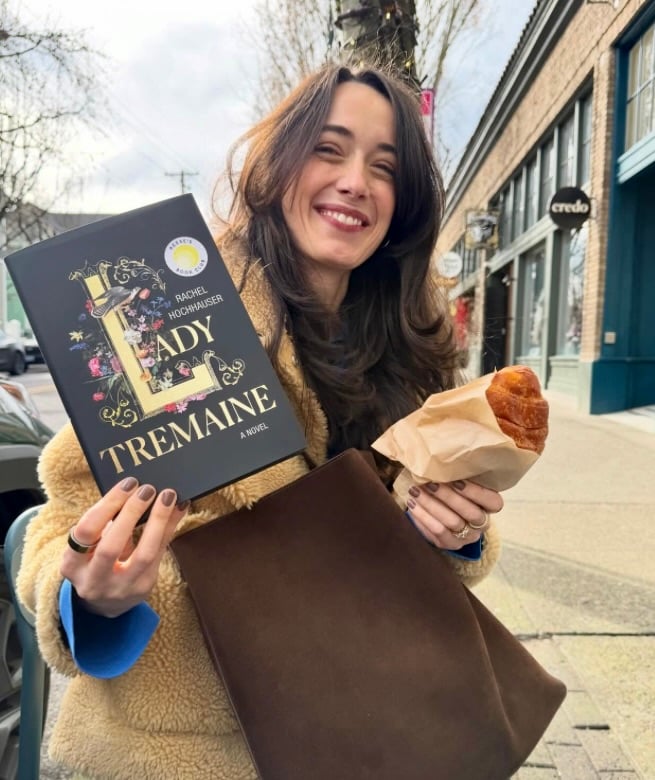
Ninety-nine percent of authors don’t get to choose their covers, but I did get to offer feedback and St. Martin’s Press was wonderful about listening. We originally had different florals, but I asked, could we ever use something from the world of the book? I sent over images by Clara Peeters, one of the few female Dutch Golden Age painters. I didn’t know you could do this, but St. Martin’s actually used the flowers from her painting for the cover! I LOVED that. They’re not just pretty florals, they’re from a woman who was ahead of her time and doing something different.
You now have two daughters — ages one and four. Were you thinking about them as you wrote?
Yes, the ending almost reads like a letter to young girls, to my daughters. My favorite sentence is the last sentence: ‘You are the scariest thing in the woods.’
Thank you so much, Rachel! Lady Tremaine is a force.
P.S. More favorite books, and Kate Baer’s motherhood poems make me laugh and cry.

