


The Elements of Power: A Story of War, Technology, and the Dirtiest Supply Chain on Earth Nicolas Niarchos Penguin & William Collins (2026)
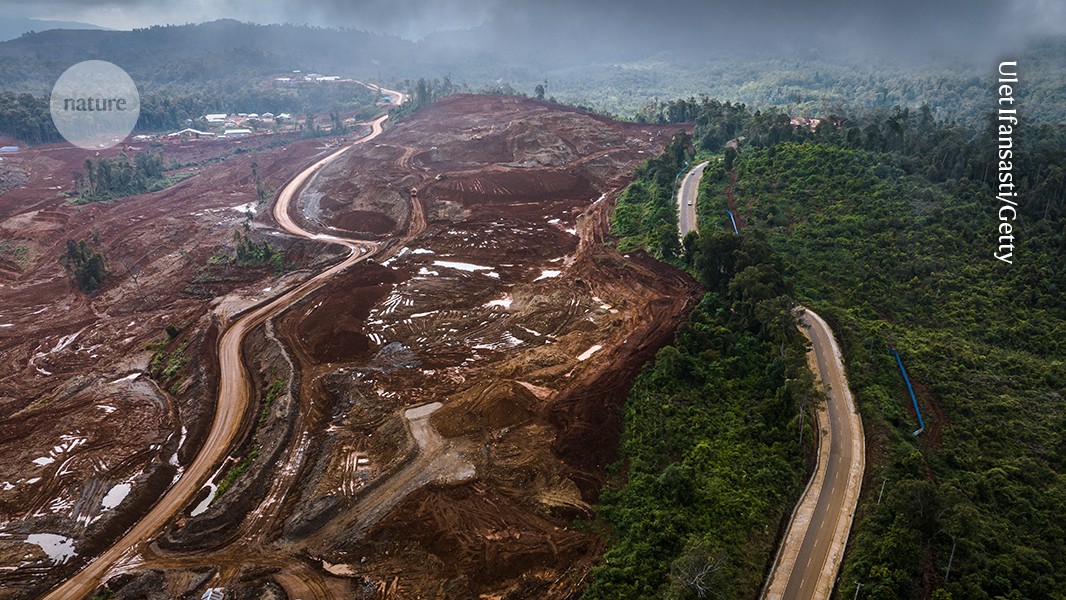
You probably don’t think about the Democratic Republic of the Congo (DRC) when scrolling on your phone. Or about the millions of people worldwide whose job it is to dig up and sell vast quantities of metals such as cobalt, copper or tungsten. But you ought to. Electronic devices have turned the metals used in batteries into strategic resources; green technologies such as electric vehicles have accelerated the scramble for them. Metal-rich nations, from Chile to Indonesia, have been pulled into a contest between governments, multinational corporations and armed groups.
Climate change is devastating mining of minerals needed to fight it
In The Elements of Power, journalist Nicolas Niarchos refuses to let the realities of the critical-mineral supply chain be overlooked. He weaves together many seemingly disparate threads, from the DRC’s colonial history to how the mineral-extraction industry has grown in several nations to battery development in leading laboratories around the world. He lays out clearly the emergence of resource nationalism and superpower competition to secure dependable supplies. Rather than a dull account of business deals, Niarchos shares a vivid story of how the greed of a handful of high-ranking individuals has hurt millions of people.
The humans behind the tech
Niarchos, whose work has been cited in hearings held in Washington DC on the effects of mining for battery metals in the DRC, has seen the damage that the race to dig is inflicting up close. He describes children scrabbling to prise out minerals in the province of Lualaba, for example, despite the risks of developing respiratory illnesses from breathing contaminated dust.

Minerals such as lithium are needed to manufacture rechargeable batteries.Credit: Krisztian Bocsi/Bloomberg/Getty
The blame lies, he writes, in part with the behaviour of wealthy nations and their insatiable desire for faster, quicker and sleeker technologies. But Niarchos’ reporting is even-handed. He points out the questionable morality of energy company representatives jetting into the DRC to sign deals with new leaders after military coups. He questions those leaders of resource-rich nations who signed mineral-exploitation contracts — and reneged on these agreements when a higher bidder came through or when an unhappy counterparty needed to be bought off. The only people who Niarchos can’t bring himself to find responsible are the general populations in mineral-rich nations, those whose lives are turned upside down by resource extraction.
Reality check
Niarchos tells this story through his personal experiences — the lives of the people he speaks to and the sights, sounds and smells he encounters. In one memorable moment, a truck driver ploughs into Niarchos’ hire car on the ‘cobalt highway’ in the DRC, along which 70% of the world’s cobalt travels on its way to be exported. As Niarchos comes to his senses after the accident, the truck driver stumbles out of his cab. “Slurring his words, he asked if I wanted to go and smoke a joint,” Niarchos recalls.

