


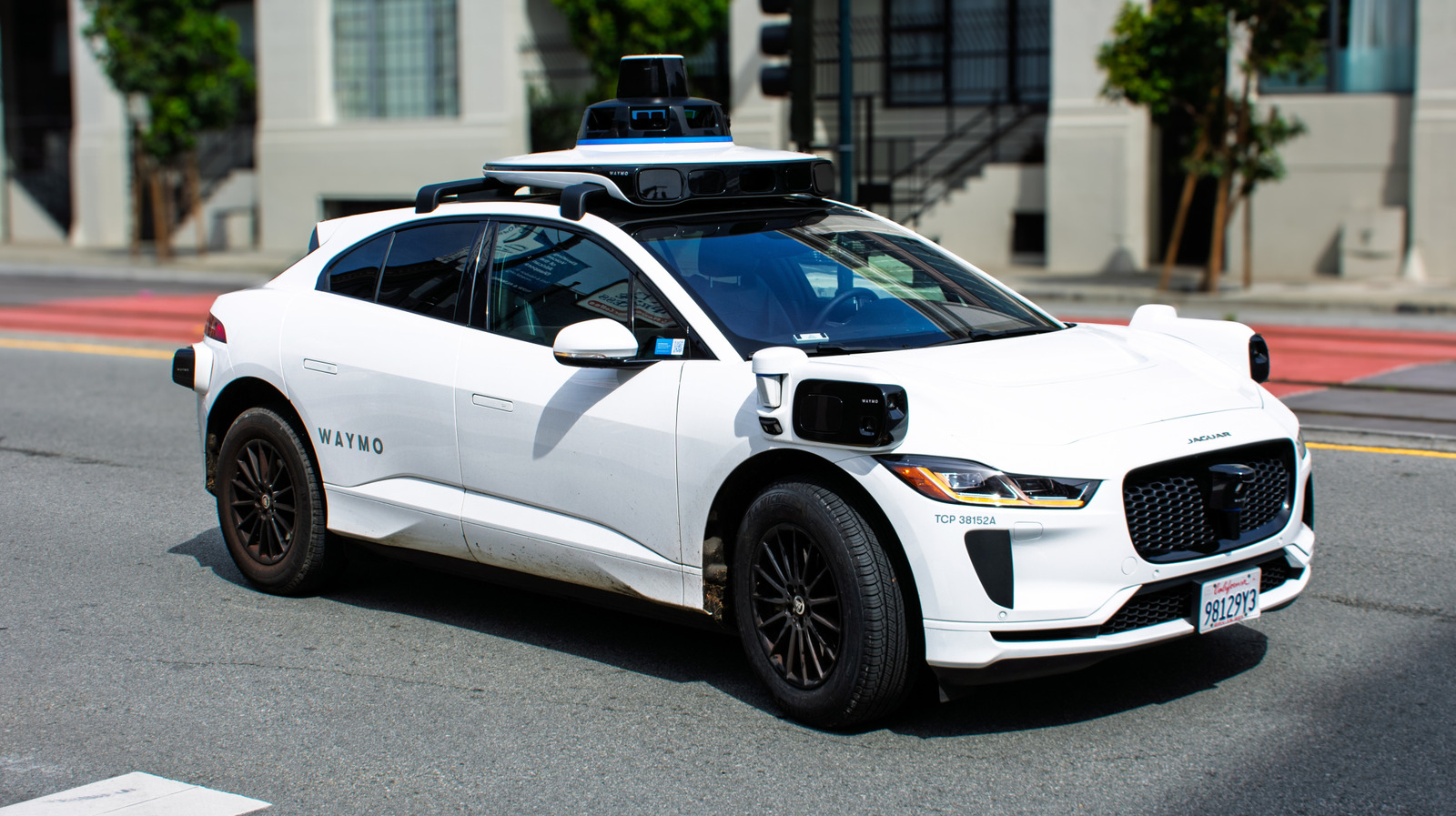
Sure, we enjoy making fun of Waymo robotaxis for bad driving. But in truth, the hard data says they are actually better drivers than humans. In an op-ed article for the New York Times, Dr. Jonathan Slotkin examines this data and has some rather strong opinions from his perspective as a neurosurgeon:
If Waymo’s results are indicative of the broader future of autonomous vehicles, we may be on the path to eliminating traffic deaths as a leading cause of mortality in the United States. While many see this as a tech story, I view it as a public health breakthrough.
Slotkin cites some rather compelling statistics to support his assertions. Unlike other robotaxi companies, Waymo bravely shares its crash statistics publicly on its website, so you don’t have to take our word for it. Over nearly 100 million miles in four cities through July 2025, Waymo robotaxis were involved in 91 percent fewer crashes with serious or worse injuries and 80 percent fewer crashes with any injury compared to human drivers. Slotkin also points out 96 percent fewer injury-causing crashes at intersections, which cause the most deadly injuries.
There’s a public health imperative to quickly expand the adoption of autonomous vehicles. More than 39,000 Americans died in motor vehicle crashes last year, more than homicide, plane crashes and natural disasters combined. Crashes are the No. 2 cause of death for children and young adults. But death is only part of the story. These crashes are also the leading cause of spinal cord injury. We surgeons see the aftermath of the 10,000 crash victims that come to emergency rooms every day. The combined economic and quality-of-life toll exceeds $1 trillion annually, more than the entire U.S. military or Medicare budget.
A balanced perspective
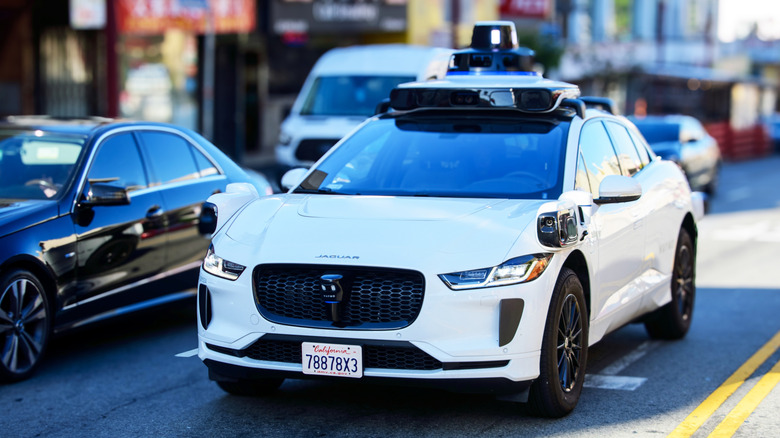
While some people are chomping at the bit to say, “Robot, take the wheel,” Slotkin is not one of those, despite his strong push toward adopting autonomy. He’s realistic, understanding that the equipment that gives Waymo’s robotaxis their fully autonomous capabilities costs $100,000 on top of the base vehicle. The average driver can’t afford that, and it’s likely part of the reason why Waymo still operates at a loss. Slotkin is also talking only about autonomous systems as sophisticated as Waymo’s, not Tesla’s “Full Self-Driving (Supervised).” He’s right to exclude this because FSD doesn’t seem to understand city driving, which is where Waymo exclusively operates.
This does poke a small hole in Slotkin’s assertions. Waymo let its cars head out on the highway for the first time last month, so the data as of this past July represents only low-speed city driving. There are also many places to drive outside of cities where Waymo has not yet operated or collected data. However, highway driving is arguably easier than city driving. Over time, more areas will be mapped to the level of detail Waymo requires to operate, including outside major cities.
For the “I’ll give you my steering wheel when you pry it from my cold, dead hands” crowd, Slotkin offers some reassurance:
There is likely to be some initial public trepidation. We do not need everyone to use self-driving cars to realize profound safety gains, however. If 30 percent of cars were fully automated, it might prevent 40 percent of crashes, as autonomous vehicles both avoid causing crashes and respond better when human drivers err.
In other words, not everyone has to go autonomous for society to benefit from the rise of autonomous vehicles. Plenty of people don’t care about driving and would be happy to take an autonomous ride as if it were a subway for public roads, leaving driving enthusiasts free to continue enjoying the experience behind the wheel. Slotkin points out that insurance premiums may change to favor autonomous vehicles. Once the mapping, technology, and cost reach the point of widespread adoption, he’s probably right. But as long as we still have the choice to drive our own drive, that higher premium is a price that some of us will be willing to pay.

